

Driving with Passengers During Mock Tests: Pros and Cons Explained
Mock driving tests are brilliant preparation tools that help you get comfortable with the test format and calm those pre-test nerves. But here’s something many learners don’t consider: should you have passengers in the car during your mock test? This decision can genuinely impact how realistic your practice session feels and how well it prepares you for the real thing.
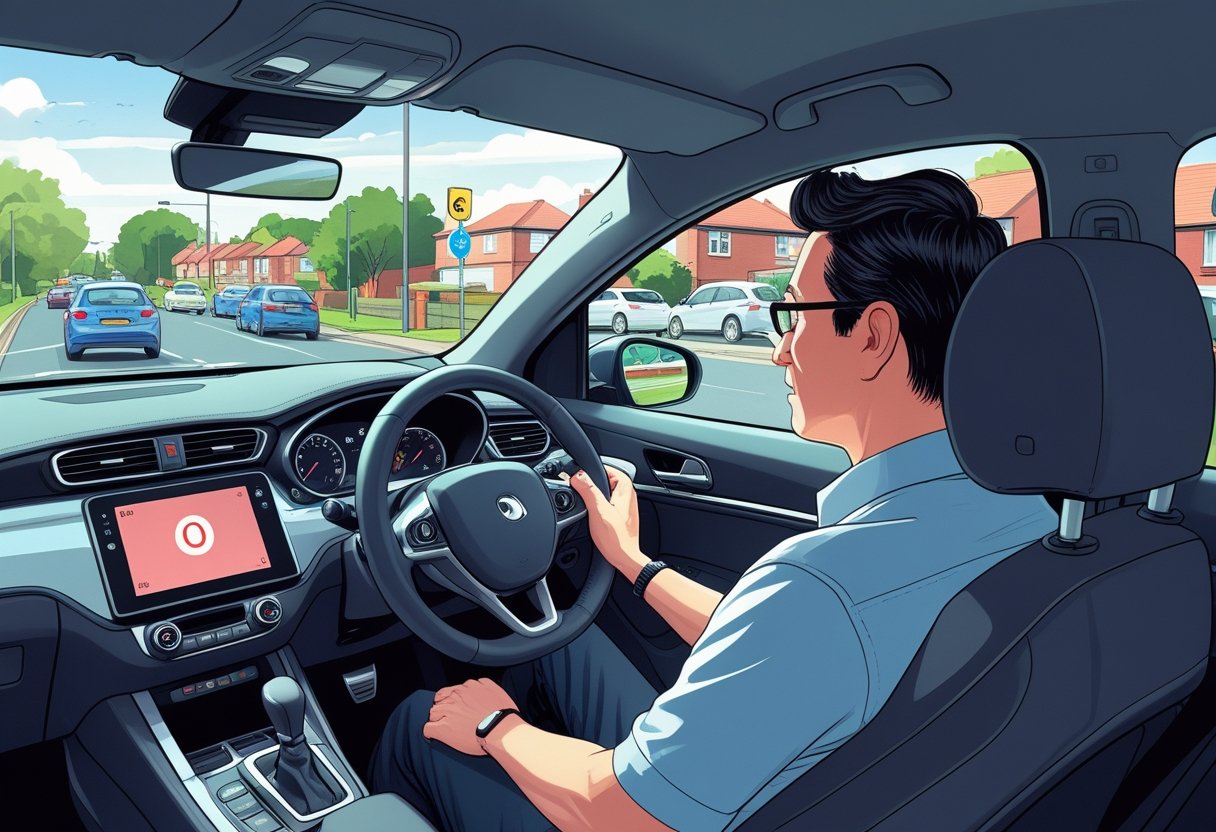
Having passengers during mock tests can either boost your confidence through familiar support or create unrealistic conditions that don’t match your actual test day experience. The key lies in understanding when passenger presence helps and when it might actually work against your preparation goals. We’ve seen learners benefit tremendously from both approaches, depending on their specific needs and comfort levels.
Whether you’re weighing up the pros and cons of bringing a friend along or wondering how your instructor handles these situations, we’ll explore the practical benefits, potential drawbacks, and expert strategies that can help you make the most of your mock test experience. Let’s dive into how you can tailor your practice sessions to give yourself the best possible chance of success.
What Is Driving with Passengers During Mock Tests?
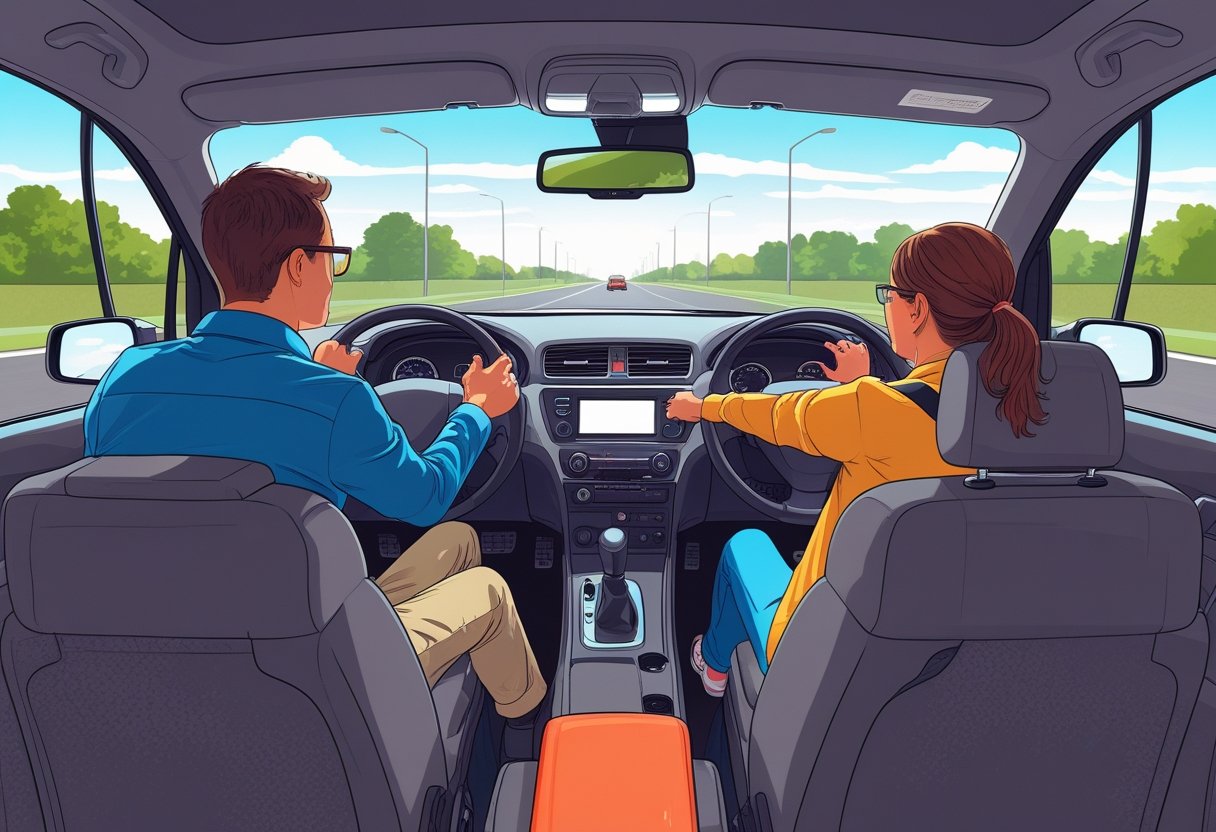
Driving with passengers during mock tests involves adding people to your practice test experience, which creates a more realistic preparation scenario. This approach helps you understand how different passengers might affect your concentration and confidence before your actual practical test.
Mock Tests Versus Real Driving Tests
Mock tests serve as your practice run for the real driving test, but they offer flexibility that the actual test doesn’t. We can customise mock tests to include passengers, whilst your official practical test will only have you and the examiner.
The DVSA examiner conducts your real driving test following strict guidelines. No passengers are allowed during your official practical test. This creates a controlled environment where only you and the examiner are present.
Mock tests let you experiment with different scenarios. Your driving instructor might suggest including passengers to help you prepare for post-test driving. This practice builds confidence for when you’ll be driving family and friends.
Real driving tests follow a standard format. You’ll complete an eyesight check, vehicle safety questions, and around 40 minutes of driving. Mock tests can mirror this structure whilst adding passenger elements for extra practice.
The examination environment differs significantly. Your practical test creates pressure that mock tests struggle to replicate fully. Adding passengers to mock tests helps bridge this gap by introducing different types of stress.
How Passengers Change the Mock Test Dynamic
Passengers fundamentally alter your driving experience during mock tests. They introduce conversations, movement, and social pressure that don’t exist when driving alone with an instructor.
Your concentration levels shift dramatically. Background chatter or sudden passenger movements can pull your attention away from mirrors, traffic signals, and road conditions. This mirrors real-world driving challenges you’ll face after passing.
Confidence levels fluctuate with different passenger types. Family members might make you nervous about making mistakes. Friends could encourage showing off or taking risks you wouldn’t normally consider.
The mock test becomes more realistic with passengers present. You’ll discover how peer pressure affects your driving decisions. Some learners find they drive more cautiously, whilst others become overconfident.
Stress responses change when passengers join your mock test. You might feel embarrassed about making errors in front of people you know. This emotional element helps prepare you for various post-test situations.
Common Scenarios for Passenger-Included Mock Tests
Family member passengers represent the most common mock test scenario. Parents or siblings often join these practice sessions to experience your driving progress firsthand. These sessions help build family confidence in your abilities.
Friend passengers create different challenges during mock tests. Peer groups introduce social dynamics that family doesn’t. You might feel pressure to impress friends or demonstrate your skills.
Multiple passenger scenarios test your ability to manage various distractions simultaneously. These mock tests prepare you for situations like giving lifts to several mates or transporting family groups.
Child passenger practice proves particularly valuable for some learners. If you’ll be responsible for younger siblings or relatives, mock tests with children help you understand their unique requirements and behaviours.
Nervous passenger scenarios teach you to manage anxious or critical passengers. Some mock tests include passengers who express concerns or offer unwanted advice, preparing you for real situations you might encounter.
Potential Benefits of Having Passengers in Mock Driving Tests
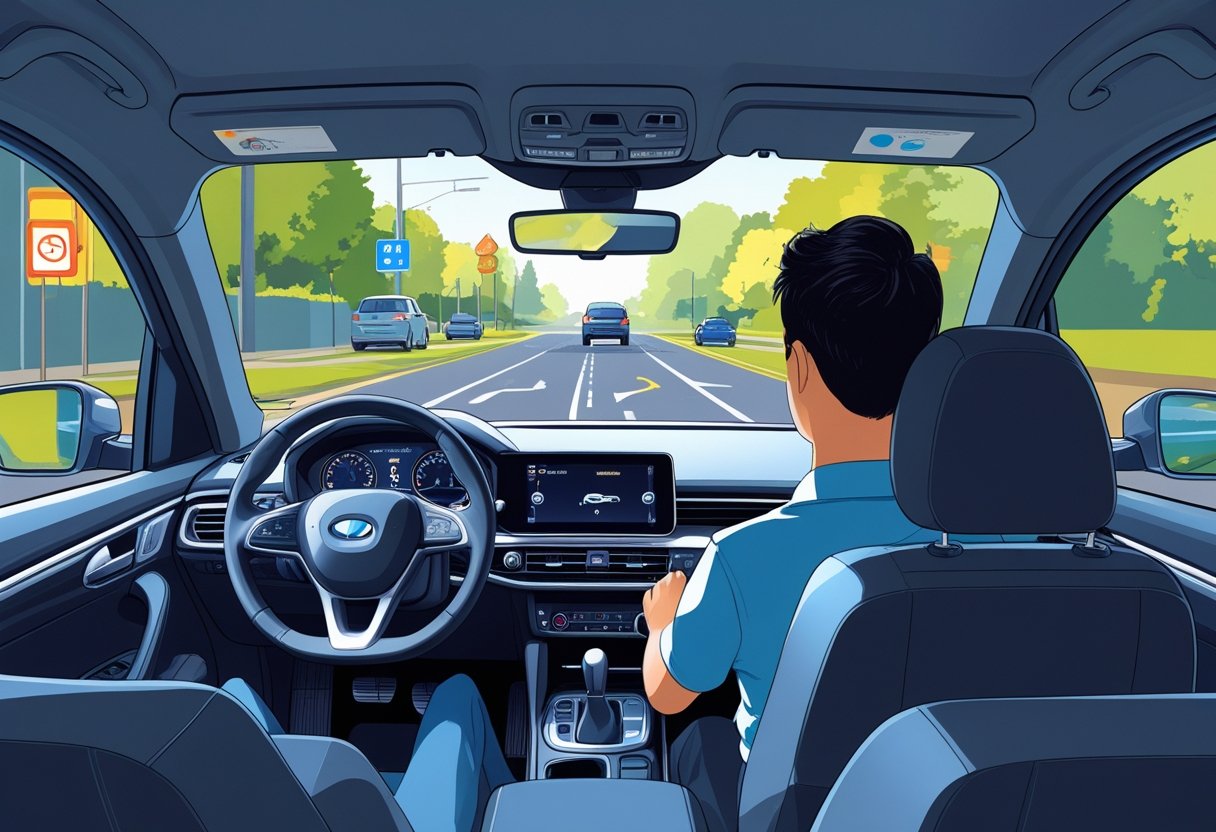
Having passengers during mock tests can genuinely prepare learner drivers for the realities they’ll face once they pass. These practice sessions help build crucial skills for managing distractions whilst maintaining focus, and they can actually reduce nerves when it comes to the real test day.
Preparation for Real-World Driving Situations
We all know that once you pass your test, you won’t always be driving alone. Friends, family members, and colleagues will become regular passengers in your car.
Mock tests with passengers mirror actual driving conditions that new drivers encounter within weeks of passing. Your driving instructor can observe how well you handle conversations, questions, and the natural movement that comes with having people in your vehicle.
Consider these real-world scenarios that passengers in mock tests help simulate:
- Family conversations during school runs or weekend trips
- Friend chatter on social outings or shared commutes
- Navigation help from passengers reading maps or giving directions
- Emergency situations where passengers might need to assist
Research shows that learner drivers who practice with passengers develop better concentration skills and situational awareness. They learn to filter important information from background noise, which becomes essential for safe driving.
The experience teaches you to politely manage passenger behaviour too. Sometimes people in your car will offer driving advice, point out hazards, or even distract you unintentionally. Learning to handle these situations during mock tests builds confidence for independent driving.
Building Confidence with Distractions
Managing distractions whilst driving is a skill that develops through practice, not theory. Mock tests with passengers provide a controlled environment to build this crucial ability.
Your driving instructor can gradually increase distraction levels during these sessions. They might start with quiet passengers, then progress to more chatty companions who ask questions or make observations about the journey.
This progressive approach helps you discover your own limits and develop strategies for staying focused. Some learner drivers find they need to ask passengers to pause conversations during complex manoeuvres, whilst others learn to maintain light chat throughout their drive.
Common passenger distractions you’ll practice managing include:
- Mobile phone conversations or music requests
- Questions about arrival times or route choices
- Comments about other drivers or road conditions
- Sudden movements like reaching for dropped items
The brilliant thing about practising with passengers during mock tests is that you’re still under your instructor’s guidance. They can step in if needed and provide immediate feedback on how well you managed each distraction.
This builds genuine confidence because you know you’ve successfully handled challenging situations before. When you’re driving independently with passengers, you’ll have proven strategies rather than hoping for the best.
Reducing Test Day Nerves
Many learner drivers worry about feeling nervous during their actual driving test, especially with an examiner they’ve never met sitting beside them.
Mock tests with different passengers help normalise the experience of driving with unfamiliar people in your car. Your instructor might arrange for colleagues or other students to join these practice sessions, giving you exposure to various personalities and communication styles.
This preparation proves invaluable on test day. The examiner becomes just another passenger rather than an intimidating stranger. You’ve already demonstrated you can drive safely with different people in your vehicle.
The psychological benefits extend beyond test day itself. When you know you can handle passengers during driving, the whole experience feels less overwhelming. Your focus stays on demonstrating good driving skills rather than worrying about the examiner’s presence.
Some driving instructors report that learner drivers who practise with passengers show improved communication skills during their actual test. They’re more comfortable asking for clarification on directions and respond more naturally to the examiner’s instructions.
The confidence boost is particularly noticeable during independent driving portions of the test. Having practised following directions from different passengers means you’re well-prepared for this challenging section.
Drawbacks to Driving with Passengers During Mock Tests
Having passengers in your mock driving tests can create additional pressure and distractions that might work against your preparation. These challenges can affect your concentration and test performance in ways that don’t reflect your actual driving ability.
Potential for Increased Anxiety
Mock driving tests are already nerve-wracking experiences, and adding passengers can amplify those feelings significantly. Many learner drivers find themselves overthinking every move when someone they know is watching from the back seat.
Passengers can create extra pressure because you might worry about what they’re thinking of your driving. This is especially true if it’s a family member or friend who’s been keen to see how you’re progressing.
The anxiety often gets worse when passengers react to your driving. A sharp intake of breath from mum when you approach a roundabout can throw off your concentration completely.
Your performance might not reflect your true ability when you’re stressed about having an audience. We’ve seen brilliant drivers make silly mistakes simply because they felt watched and judged.
Some learners become so focused on impressing their passenger that they forget to drive naturally. This defeats the whole purpose of mock tests, which should simulate real test conditions as closely as possible.
Distraction Risks and Safety Considerations
Passengers bring their own set of distractions that can compromise the safety and effectiveness of your mock test. Even well-meaning passengers can inadvertently create hazardous situations.
Unexpected noises or movements from passengers can pull your attention away from the road at critical moments. A phone buzzing, someone shifting in their seat, or even quiet conversations can break your focus.
Many passengers can’t resist offering advice or commentary during the drive. Comments like “watch that cyclist” or “the speed limit changes here” might seem helpful, but they can actually disrupt your decision-making process.
Emergency situations become more complex when passengers are present. If you need to make a sudden stop or quick manoeuvre, you’re responsible for their safety as well as your own.
During driving lessons, your instructor knows when to stay quiet and when to guide you. Passengers don’t have this training, and their reactions might not match what an examiner would do during your actual test.
When Is It Appropriate to Have Passengers in Mock Tests?
Deciding whether to include passengers during mock tests depends largely on your experience level and specific learning goals. Most driving instructors recommend starting with passenger-free sessions before gradually introducing observers to simulate real-world conditions.
Assessing Readiness as a Learner Driver
Your comfort level behind the wheel serves as the best indicator for passenger readiness during mock tests. We’ve found that learner drivers who can handle basic manoeuvres confidently tend to cope better with passenger distractions.
If you’re still struggling with fundamental skills like reversing or roundabouts, passengers will likely add unnecessary pressure. Focus on mastering these basics first.
Consider your anxiety levels honestly. Some learners find passengers calming, whilst others become overwhelmed by the extra attention. There’s no shame in admitting you need more solo practice time.
Your ability to multitask whilst driving matters enormously. Can you maintain conversations whilst checking mirrors and signalling? If simple tasks still require your full concentration, postpone passenger mock tests.
We recommend taking at least three passenger-free mock tests before introducing observers. This builds your confidence gradually without overwhelming your developing skills.
Signs you might be ready include:
- Smooth gear changes without looking down
- Natural mirror checks every 8-10 seconds
- Comfortable navigation of busy roundabouts
- Relaxed handling of emergency stops
Advice from Approved Driving Instructors
Most Approved Driving Instructors (ADIs) suggest introducing passengers strategically rather than randomly. We’ve spoken with instructors who use passengers to test specific skills like concentration and decision-making under pressure.
Your driving instructor knows your abilities best and can judge when passenger mock tests become beneficial. They’ve seen countless learners progress and understand the typical readiness markers.
Many ADIs use a phased approach. They’ll start with quiet passengers who understand driving test procedures, then gradually introduce more talkative observers.
Common instructor recommendations include:
- Wait until you’ve passed at least two solo mock tests
- Choose familiar passengers for your first attempts
- Avoid passengers during complex manoeuvres initially
- Focus on maintaining your normal driving routine
Some instructors actually discourage passenger mock tests entirely, believing they create unrealistic test conditions. Others view them as essential preparation for real-world driving situations.
We suggest discussing passenger mock tests openly with your instructor. They can tailor the experience to match your specific learning needs and confidence levels.
Mock Test Customisation for Individual Needs
Every learner driver faces unique challenges, so mock test passenger decisions should reflect your individual circumstances. We believe customisation leads to more effective practice sessions and better test preparation.
Your post-test driving plans matter significantly. If you’ll regularly carry family members or friends, passenger mock tests become more valuable for building relevant experience.
Consider your typical stress responses too. Some learners perform better under observation, whilst others crumble under pressure. Understanding your personality helps guide these decisions.
Customisation options might include:
- Silent passengers for basic distraction practice
- Chatty observers to test concentration skills
- Family members to simulate future driving scenarios
- Fellow learners for mutual learning experiences
Your learning timeline also influences passenger decisions. Learners with months of practice time can afford gradual passenger introduction. Those approaching test dates might skip passenger mock tests entirely.
We recommend honest self-assessment before making passenger decisions. Ask yourself whether observers will help or hinder your specific learning goals right now.
How Driving Instructors Manage Mock Tests with Passengers
Managing mock tests with passengers requires careful planning and clear communication from the start. We need to establish safety rules before the test begins and provide thoughtful feedback afterward that helps both the learner driver and any observers understand what happened.
Setting Ground Rules for Safe Practice
Before starting any mock test with passengers, we always explain the ground rules clearly. Passengers must stay completely silent during the entire test. This means no comments, directions, or reactions to what’s happening on the road.
We position passengers in the back seat, never in the front passenger seat. This prevents them from distracting the learner driver or interfering with our view of mirrors and blind spots. The back seat also helps maintain the realistic test environment.
Key rules we enforce:
- Mobile phones on silent mode
- No sudden movements or gestures
- No conversations between passengers
- Seat belts fastened before starting
We explain that breaking these rules means stopping the test immediately. This isn’t about being strict, it’s about keeping everyone safe. Some ADIs prefer to have passengers sign a simple agreement about behaviour expectations.
If we notice any passenger causing distraction, we pull over safely and address the issue straight away. The learner’s safety and test experience come first, always.
Providing Constructive Feedback After Tests
Once the mock test ends, we give feedback in stages to help everyone understand what happened. We start by speaking privately with the learner driver first. This protects their confidence and lets them process the results without outside pressure.
During this private chat, we cover specific areas that need work and celebrate what went well. We use the same marking system as real driving tests, explaining minor faults, serious faults, and any dangerous faults clearly.
Our feedback approach:
- Start with positive points
- Explain fault categories simply
- Give specific examples from the test
- Suggest practical next steps
When we include passengers in the discussion, we keep it brief and supportive. We explain general observations without going into detailed fault analysis. This helps passengers understand the process without overwhelming the learner.
We always remind everyone that mock tests are learning tools, not final judgements. The goal is building confidence and identifying areas for improvement before the real test day arrives.
Maximising the Value of Your Mock Test Experience
Getting the most from your mock driving test means learning from passenger feedback and building confidence for your practical test. We’ll explore how to turn these practice sessions into powerful learning tools.
Learning from Mistakes with Passenger Feedback
Your passenger becomes an invaluable learning partner during mock tests. They can spot things you might miss whilst concentrating on driving.
Choose the right passenger for feedback. A qualified instructor or experienced driver works best. They know what examiners look for during driving lessons and can give proper guidance.
Ask your passenger to note specific areas like:
- Mirror checks before manoeuvres
- Speed control during hill starts
- Signal timing at roundabouts
- Observation at junctions
Create a feedback system that works. Have your passenger jot down notes during the drive rather than speaking up immediately. This keeps the test conditions realistic.
After each mock driving test, spend 10 minutes reviewing what went well and what needs work. Your passenger might notice you’re brilliant at parallel parking but struggle with clutch control on hills.
Don’t take feedback personally. Every mistake is a chance to improve before your real practical test.
Building Skills for Real Test Day Success
Mock tests with passengers prepare you for the pressure of having someone assess your driving. This mirrors the actual test experience perfectly.
Practice staying calm under observation. Having someone watch your every move can feel nerve-wracking at first. The more you do it, the more natural it becomes.
Work on specific skills that passengers can help evaluate:
- Smooth gear changes during busy traffic
- Confident hill starts without rolling back
- Clear communication through signals and positioning
Your passenger can also simulate examiner behaviour. They might ask you to pull over safely or perform an emergency stop. This builds your confidence for unexpected requests.
Focus on consistent performance. One good drive isn’t enough. Aim to drive well every time, regardless of who’s watching. This consistency will serve you brilliantly when test day arrives.
Use each mock session to build mental strength. The real practical test will feel much easier when you’ve already succeeded with passengers observing your skills.
Frequently Asked Questions
Many learners wonder whether they should practise with passengers before their real test, whilst others worry about distractions during mock tests. These questions help clear up common concerns about balancing support with focus during practice sessions.
Is it beneficial to have a mate in the car when practising driving manoeuvres?
Having a friend in the car can boost your confidence during tricky manoeuvres like parallel parking or three-point turns. Your mate might spot things you miss, like how close you are to the kerb or whether you’ve checked your mirrors properly.
The emotional support helps too. When you’re struggling with bay parking for the tenth time, a encouraging voice can keep you motivated rather than letting frustration take over.
However, choose your passenger wisely. You need someone who stays calm under pressure and won’t panic if you make a mistake. A nervous passenger can make you more anxious about manoeuvres you’re still learning.
Some friends offer too much advice, which can confuse you when you’re trying to remember your instructor’s guidance. The best passenger is someone who observes quietly and only speaks when genuinely helpful.
Can bringing a friend along during practice drives help replicate the real test environment?
Your actual driving test will have an examiner in the passenger seat, so practising with someone there does mirror the real experience. You’ll get used to having another person watching your every move and making notes.
A passenger can role-play as an examiner by asking you to pull over safely or perform specific manoeuvres. This practice helps you respond to instructions calmly rather than panicking on test day.
The extra weight in the car also affects how your vehicle handles. You’ll notice differences in braking distance and acceleration that are worth experiencing before your actual test.
Your friend can simulate the examiner’s clipboard by taking notes about your driving. This helps you get comfortable with someone observing and recording your performance throughout the journey.
What are the key advantages of driving with a companion as a mock examiner?
A companion acting as your mock examiner gives you immediate feedback about dangerous mistakes you might not notice yourself. They can tell you if you’re not checking blind spots or if you’re following too closely behind other cars.
Your mock examiner can test your knowledge by asking “show me, tell me” questions whilst you’re driving. This practice helps you handle the pressure of answering technical questions without losing focus on the road.
Friends often notice bad habits that have crept into your driving. Your instructor might miss these during lessons, but a fresh pair of eyes can spot when you’re not indicating early enough or checking mirrors properly.
Having someone grade your performance like a real examiner helps you understand where you stand. They can mark you on different aspects of driving and highlight areas that need more work before test day.
How might passengers be a distraction during driving practice sessions?
Chatty passengers can break your concentration just when you need it most. Even friendly conversation pulls your attention away from important observations like checking for cyclists or pedestrians.
Some friends become backseat drivers, offering constant advice about your speed, positioning, or route choices. This running commentary can overwhelm you and make it harder to think clearly about your driving decisions.
Nervous passengers create additional stress that affects your performance. If your friend gasps every time you approach a roundabout or grabs the door handle during parking, their anxiety becomes contagious.
Mobile phones pose another distraction risk. Passengers might answer calls, play music, or show you messages whilst you’re trying to focus on complex junctions or busy traffic situations.
What should I consider when deciding if I should drive with peers during mock tests?
Think about your personality first. If you perform better under pressure and enjoy having an audience, a passenger might boost your confidence. If you’re easily flustered by others watching, practise alone instead.
Consider your relationship with potential passengers. Close friends who know you well can provide gentle encouragement, but competitive mates might add unhelpful pressure by comparing your skills to others.
Your current skill level matters too. If you’re still learning basic car control, focus on solo practice first. Save passenger sessions for when you’re confident with fundamental driving skills.
Choose passengers who have passed their own tests recently and remember what the experience feels like. They’ll offer more relevant advice than someone who passed years ago or hasn’t taken a UK driving test.
How can I ensure that having passengers won’t impair my focus during practice drives?
Set clear ground rules before starting your engine. Tell passengers they can only speak during designated breaks or when you specifically ask for feedback. No sudden comments or instructions whilst you’re driving.
Ask passengers to put their phones on silent and avoid taking calls during your practice session. Their full attention should be on observing your driving, not managing their own distractions.
Choose quiet practice times when roads are less busy. Heavy traffic situations require your complete concentration, so save passenger sessions for calmer driving conditions where you can manage multiple tasks safely.
Plan your route in advance and let your passenger know where you’re going. This prevents them from offering navigation advice or questioning your route choices whilst you’re trying to concentrate on driving safely.
Start with short sessions of 20-30 minutes. You can gradually increase the time as you get comfortable driving with someone observing your every move.