

How Long Does a Provisional Licence Take to Arrive? Your Guide to a Smooth Start
Getting your provisional licence is such an exciting first step towards driving freedom, and we totally understand why you’re eager to know when it’ll land on your doormat! Your provisional licence typically arrives within one week when you apply online, though it might take up to three weeks if you apply by post or if DVLA needs to make additional checks. The waiting game can feel endless when you’re buzzing to start your driving lessons, but knowing what to expect makes the whole process much less stressful.
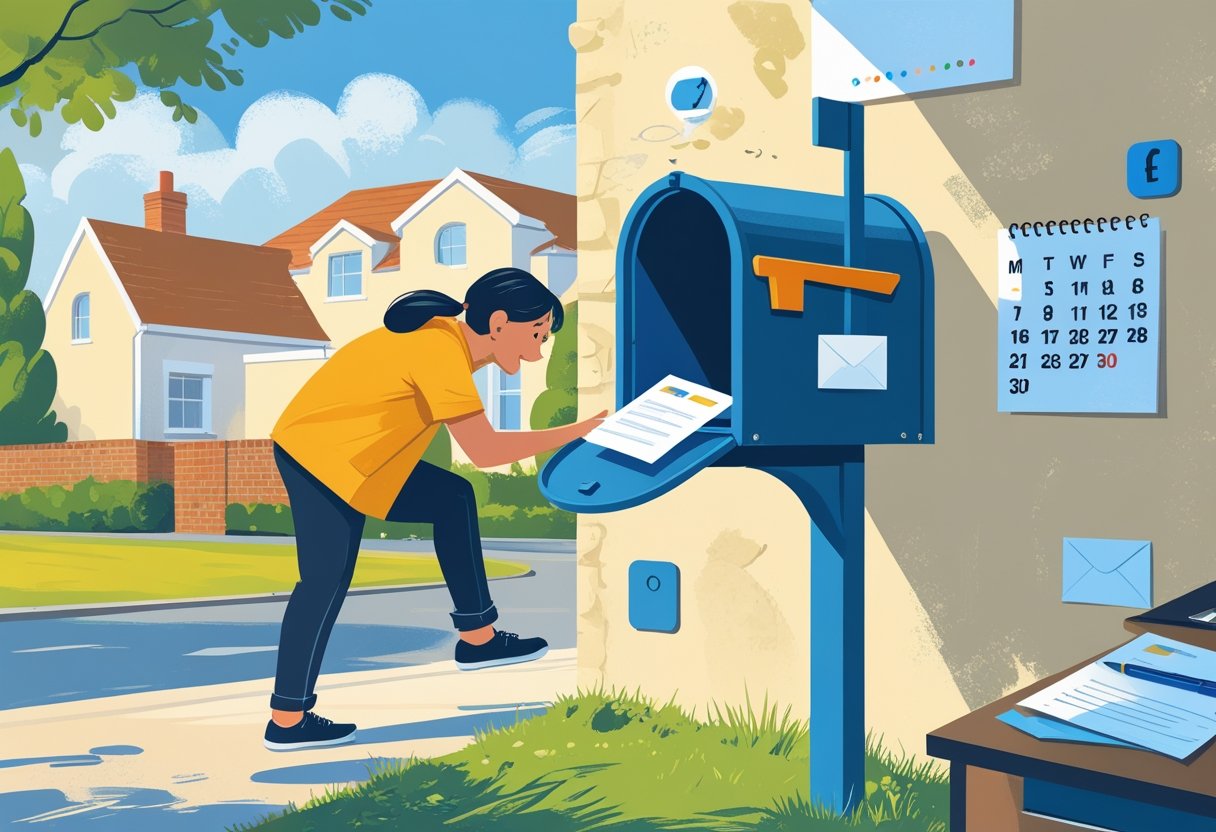
We know that first-time applicants often have loads of questions about timing, especially when you’re trying to coordinate everything from booking theory tests to arranging driving lessons. The good news is that online applications are processed much faster than postal ones, and most people receive their shiny new provisional licence well within that one-week timeframe. Of course, there are a few factors that might affect delivery times, and we’ll walk you through exactly what influences how quickly yours arrives.
Whether you’re turning 17 soon or you’re finally taking the plunge as an adult learner, understanding the provisional licence timeline helps you plan your entire driving journey more effectively. From application to that magical moment when you can legally sit behind the wheel with an instructor, we’ll cover everything you need to know about getting your provisional licence as quickly as possible.
Key Takeaways
- Online applications typically arrive within one week, whilst postal applications take up to three weeks
- You must be at least 15 years and 9 months old and meet residency requirements before applying
- Having proper documentation ready and applying online significantly speeds up the entire process
How Long Does a Provisional Licence Take to Arrive?
Getting your provisional licence is one of the most exciting milestones on your driving journey! Online applications typically arrive within a week, whilst postal applications take around three weeks – though the DVLA might need extra time for additional checks during busy periods.
Expected Delivery Times for Online and Postal Applications
When you apply for your provisional driving licence online, you’re choosing the fastest route possible. The DVLA will send your licence within one week of submitting your application.
This quick turnaround makes the online option incredibly popular with eager learner drivers. You’ll pay £34 and receive a confirmation email straight away.
Postal applications take considerably longer – approximately three weeks from start to finish. You’ll need to complete form D1 and send a cheque or postal order for £43.
| Application Method | Processing Time | Cost |
|---|---|---|
| Online | 1 week | £34 |
| Post | 3 weeks | £43 |
We always recommend applying online if possible. It’s faster, cheaper, and you’ll get that confirmation email to ease any worries about whether your application went through properly.
What to Do if Your Licence Is Delayed
Sometimes your provisional licence might take longer than expected – don’t panic! The DVLA occasionally needs to carry out additional identity checks or verify your documents.
These extra checks are completely normal and happen to protect your personal information. They’re actually a good thing, even though waiting feels frustrating.
If your licence hasn’t arrived after two weeks (for online applications) or five weeks (for postal ones), contact the DVLA directly. They’ll be able to track your application and explain any delays.
Keep your confirmation email or postal receipt handy – you’ll need these reference numbers when making enquiries.
Busy Periods and Processing Delays
Certain times of year see massive spikes in provisional driving licence applications. School holidays, particularly summer breaks, create bottlenecks that can slow processing times.
January also brings a rush of new applicants making driving their New Year’s resolution. During these peak periods, even online applications might stretch beyond the usual week.
The DVLA works hard to maintain their service standards, but we’d suggest applying well before you plan to start lessons. This gives you breathing room if delays occur.
If you’re applying during busy periods, consider using the online service and avoiding peak times like the first week of January or just before summer holidays begin.
How to Apply for a Provisional Licence
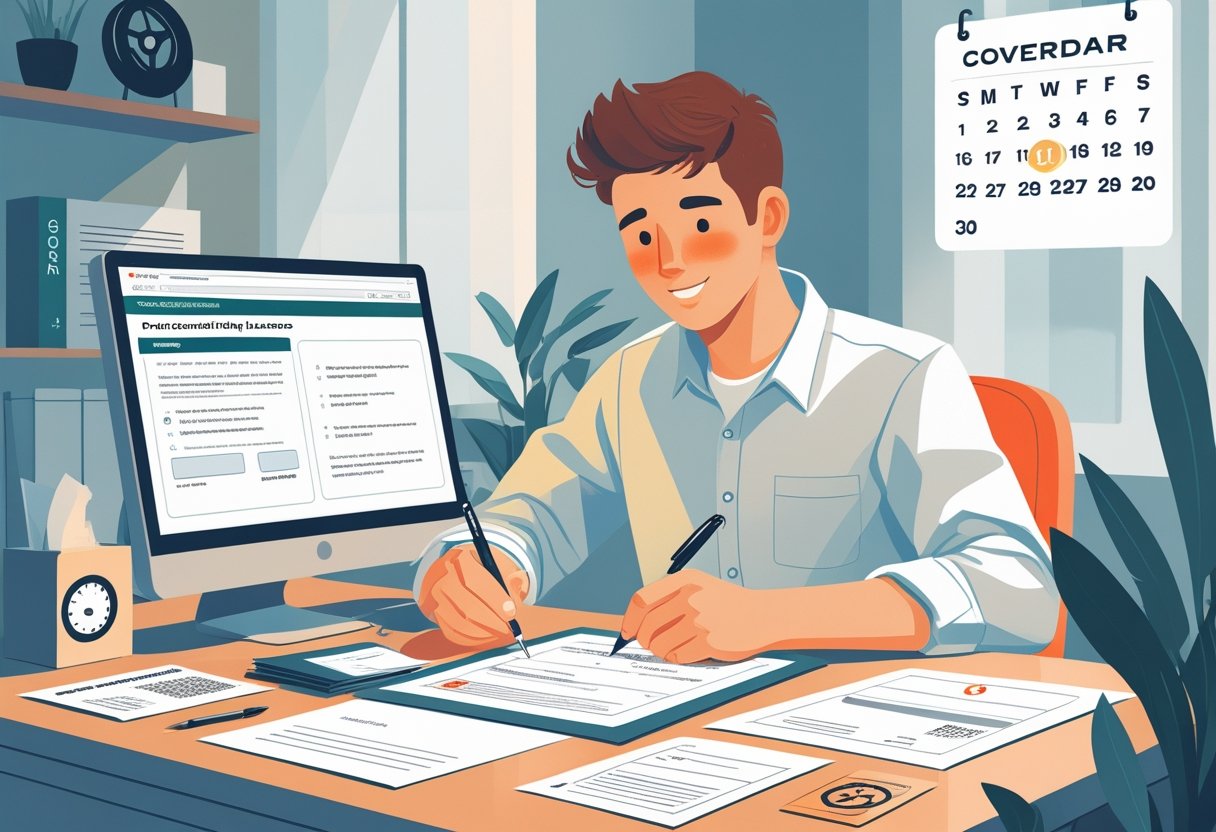
Getting your provisional licence is straightforward – you can apply online through DVLA for £34 or use the traditional postal route with a D1 form for £43. Both methods require you to meet basic eligibility requirements and provide the necessary documentation.
Step-by-Step Online Application Process
Applying for your provisional driving licence online is the quickest way to get started on your driving journey. We’d recommend this method because it’s faster, cheaper, and your licence typically arrives within a week.
Before you begin, make sure you meet these requirements:
- You’re at least 15 years and 9 months old
- You can read a number plate from 20 metres away
- You’ve lived in Great Britain for at least 185 days
The online application costs £34 and you can pay using MasterCard, Visa, Electron, or Delta cards. You’ll need to create DVLA sign-in details if you don’t already have them.
The process is refreshingly simple:
- Visit the official GOV.UK website
- Create your account or sign in
- Complete the application form
- Pay the £34 fee
- Submit your application
You might need to prove your identity during the process. This usually involves uploading a photo ID like your passport. Don’t worry – this is just to keep your details secure.
Once submitted, DVLA will send you a confirmation email straight away.
Applying by Post and Using the D1 Form
If you prefer the traditional approach, you can apply by post using the D1 form. This method costs £43 – that’s £9 more than applying online, and it takes longer too.
Pick up your D1 form from most Post Offices across the country. The form is called ‘Application for a driving licence’ and it’s free to collect.
Fill out every section carefully – incomplete forms cause delays. Double-check your personal details, address, and eligibility information before sending it off.
You’ll need to include a cheque or postal order for £43 made payable to DVLA. Don’t send cash through the post.
Send your completed application to the address printed on the D1 form. Make sure you use the correct postage to avoid any hiccups.
Postal applications typically take about three weeks to process and arrive. That’s significantly longer than the online route, which is why we usually suggest going digital if you’re comfortable doing so.
Keep a copy of everything you send – it’ll help if there are any questions later.
Eligibility and What You Need Before Applying

You’ll need to meet specific age, residency, and health requirements to get your provisional licence, plus gather the right documents to prove who you are. Let’s walk through exactly what the DVLA needs from you.
Age, Residency and Vision Requirements
You can apply at 15 years and 9 months old, though your licence won’t become valid until your 16th birthday. This gives you time to get everything sorted before you’re actually allowed to start learning.
At 16, you can begin learning to ride a moped or light quad bike. Car driving lessons start at 17, which is when most people really get excited about hitting the road.
You must be a resident of Great Britain to apply through the DVLA. If you live in Northern Ireland, you’ll need to apply through the Driver & Vehicle Agency (DVA) instead – they have their own system.
Your eyesight needs to meet the legal standard. This means reading a standard number plate from 20 metres away. If you wear glasses or contact lenses, that’s absolutely fine – just make sure you can meet this requirement whilst wearing them.
Acceptable Identification Documents
The DVLA needs to verify who you are, so you’ll need one of these primary documents:
- Current UK passport
- Biometric residence permit
- UK certificate of naturalisation
Don’t have any of these? No worries – you can use your birth certificate along with one of these supporting documents:
- National Insurance number
- Benefits claim letter
- P45, P60, or recent payslip
- Marriage certificate or divorce papers
- College or university union card
- School record
- PASS CitizenCard
The key is proving your identity and address history. You’ll need addresses for the last three years, so gather that information before you start your application.
Declaring Medical Conditions
Honesty is crucial when it comes to declaring medical conditions on your provisional licence application. The DVLA needs to know about certain health issues that might affect your driving ability.
You must declare conditions like epilepsy, diabetes, heart problems, or vision issues. This isn’t about stopping you from driving – it’s about keeping everyone safe on the roads.
Some conditions might mean additional checks or restrictions, whilst others won’t affect your licence at all. The DVLA will assess each case individually and might ask for a medical report from your doctor.
Don’t let this put you off applying. Many people with medical conditions drive safely every day. Being upfront from the start means you’ll get the right support and avoid complications later in your driving journey.
Costs, Confirmation, and Tracking Your Application
Applying for your provisional licence involves a straightforward fee structure, and we’ll walk you through the payment options and tracking process. You’ll receive confirmation within minutes of applying, and tracking your application couldn’t be simpler.
Application Fees for Online and Postal Methods
Your provisional licence costs £34 when you apply through the DVLA’s online service. This fee remains the same whether you’re applying for your very first licence or renewing an existing one.
We always recommend the online route because it’s faster and more convenient. The postal method using the D1 form carries the same £34 fee, but you’ll need to send a cheque or postal order along with your application.
There’s no getting around this cost – it’s a standard DVLA fee that covers processing and issuing your licence. Think of it as your first investment in your driving journey, and honestly, £34 is pretty reasonable for something that opens up so many opportunities.
The fee hasn’t changed in recent years, so you can budget confidently. Just remember, this covers your provisional licence only – you’ll face separate costs for theory tests, practical tests, and driving lessons down the line.
Payment Methods and Security
When applying for your provisional licence online, we’re pleased to tell you that payment is both secure and flexible. The DVLA accepts all major cards including Visa, MasterCard, Electron, and Delta – whether they’re debit or credit cards.
Your payment goes through immediately when you submit your application. The system uses secure encryption, so your card details stay protected throughout the process.
Unfortunately, you can’t pay with PayPal, bank transfers, or digital wallets like Apple Pay. It’s cards only for online applications, which keeps things simple and secure.
If you’re using the postal D1 form method, you’ll need to include a cheque or postal order made payable to DVLA. Cash isn’t accepted under any circumstances – not even if you hand-deliver your application.
Tracking Your Application with the DVLA
Once you’ve submitted your provisional licence online, tracking becomes brilliantly straightforward. You’ll receive a confirmation email containing your unique 12-character reference number – it looks something like TYAB-ABCD-ABCD.
Keep this reference safe because you’ll need it to track your application progress. Simply log into your DVLA online account and enter this reference to see exactly where your application stands.
Applications with ‘FP’ reference numbers use a different tracking system. If your reference starts with FP followed by 10 letters, you’ll need to use the separate DVLA tracking service designed specifically for these applications.
Most online applications move through the system within days. You can check for updates anytime, and the system shows clear status information about processing stages.
If you applied by post using the D1 form, you’ll need to contact the DVLA directly to track your application – there’s no online tracking available for postal applications.
What Happens After Your Provisional Licence Arrives?
Once your provisional licence lands on your doormat, you’ll need to tackle your theory test, find the right driving instructor, and get familiar with your new photocard licence.
Getting Ready for Your Theory Test
Your theory test is the first hurdle we’d recommend clearing once your provisional licence arrives. This computer-based exam tests your knowledge of the Highway Code and road safety through multiple-choice questions.
The theory test consists of two parts:
- 50 multiple-choice questions (you need 43 correct to pass)
- Hazard perception test (14 video clips where you spot developing hazards)
You can book your theory test online through the DVSA website for £23. We suggest studying with the official Highway Code and practising with mock tests before booking.
Most test centres offer appointments within 2-4 weeks. You’ll need to bring your provisional photocard licence as identification on test day.
Key topics to focus on include:
- Traffic signs and road markings
- Stopping distances and speed limits
- Vulnerable road users like cyclists and pedestrians
- Vehicle safety checks
Once you pass, your theory test certificate stays valid for two years. This gives you plenty of time to pass your practical driving test.
Booking Driving Lessons with a Professional Instructor
Finding the right driving instructor makes all the difference to your learning experience. We recommend starting your search whilst you’re preparing for your theory test.
Look for an Approved Driving Instructor (ADI) who displays a green badge in their windscreen. This means they’ve passed all required tests and maintain professional standards.
When choosing an instructor, consider:
- Pass rates – ask about their students’ success rates
- Teaching style – some instructors suit nervous learners better
- Availability – regular weekly lessons work best for most people
- Vehicle type – manual or automatic transmission
Expect to pay between £25-35 per hour for lessons, depending on your location. Most learners need 40-50 hours of professional tuition, though this varies greatly.
Your instructor will guide you through essential skills like clutch control, parking manoeuvres, and independent driving. They’ll also help you decide when you’re ready for your practical test.
Book an intensive course if you prefer, but weekly lessons often suit people with busy schedules better.
Understanding Your Photocard Licence
Your provisional photocard licence contains important information you’ll need to understand. The front shows your photo, signature, and personal details, whilst the back lists which vehicles you can drive.
Check all details are correct immediately when your licence arrives. Contact DVLA straight away if you spot any errors – even small mistakes could cause problems later.
Your photocard shows:
- Your full name and date of birth
- Licence number (important for insurance quotes)
- Valid from and until dates
- Categories of vehicles you can drive
The licence stays valid for 10 years, but don’t wait that long to get your full licence! Most successful drivers complete their training within 6-18 months of receiving their provisional licence.
Keep your photocard safe and always carry it when driving. You’ll need it for your theory test, practical test, and every time you get behind the wheel during lessons or practice.
Your provisional licence also serves as valid photo ID for other purposes, making it quite handy beyond just driving.
Common Issues and What to Watch Out For
Sometimes applications hit a snag or your licence needs replacing after it arrives. The good news is that both incorrect application details and lost licences are fixable problems with straightforward solutions.
Incorrect or Missing Information on Your Application
We’ve all been there – you’re rushing through an online form and accidentally type the wrong postcode or miss a crucial detail. When applying for your provisional licence, even small mistakes can cause delays or rejection.
Double-check these details before submitting:
- Full name (exactly as it appears on your identity documents)
- Date of birth
- Current address
- National Insurance number
- Medical declarations
If you spot an error after submitting, don’t panic. Contact the DVLA straight away on 0300 790 6801. They’re usually quite helpful about sorting things out quickly.
Missing documents are another common hiccup. Make sure you’ve got your identity proof ready if the system asks for it during your online application. Without proper ID verification, your provisional licence application will sit in limbo.
The DVLA might also request additional checks if something doesn’t match their records. This typically adds an extra week or two to processing time, but it’s nothing to worry about.
Lost, Stolen, or Damaged Provisional Licences
Life happens, and sometimes your shiny new provisional licence goes missing or gets damaged. The silver lining? Replacing it is surprisingly straightforward.
You can replace your provisional licence online through the DVLA website for £20. It’s the same process whether it’s been lost, stolen, or damaged beyond recognition.
If your licence was stolen, report it to the police first and get a crime reference number. You’ll need this when applying for your replacement.
Processing times for replacement licences follow the same pattern as new applications. Expect about one week for online applications, though busy periods might stretch this slightly.
Keep your replacement licence safe this time! Consider taking a photo of it with your phone as a backup record of your licence number and details.
Pro tip: If you’re close to taking your driving test, let your instructor know about the replacement so they can help ensure everything’s sorted before your test date.
Frequently Asked Questions
We know waiting for your provisional licence can feel like watching paint dry, and you’ve probably got loads of questions swirling around your head. Let’s tackle the most common concerns we hear from eager learner drivers every day.
What’s the average waiting time to receive your first provisional driving licence once you’ve applied?
If you’ve applied online, you’re looking at roughly one week for your shiny new provisional licence to land on your doormat. That’s pretty speedy, isn’t it?
However, if you’ve gone the traditional route and posted your application, you’ll need to be a bit more patient. Postal applications typically take about three weeks to process and arrive.
First-time applicants sometimes face longer waits of up to two months, especially if DVLA needs to carry out additional identity checks. Don’t panic though – this is perfectly normal and just means they’re being thorough with your application.
Are there any tips to speed up the process of getting my provisional licence in the post?
Absolutely! The single best thing you can do is apply online rather than by post. It’s faster, more efficient, and costs £9 less than postal applications.
Make sure you’ve got all your documents ready before you start your application. Having a valid UK passport can significantly speed things up since it helps prove your identity quickly.
Double-check all your details before submitting. Any mistakes or missing information will slow down the process whilst DVLA sorts out the confusion.
If you need to prove your identity during the online process, do it straight away. Delaying this step will only add unnecessary time to your application.
Can inclement weather or postal strikes affect the delivery time of my provisional licence in the post?
Yes, severe weather conditions can definitely throw a spanner in the works. Heavy snow, floods, or major storms might delay Royal Mail deliveries, including your precious provisional licence.
Postal strikes are another potential hiccup that’s completely out of your control. These industrial actions can add several days or even weeks to delivery times.
During particularly busy periods like Christmas or summer holidays, postal services often experience delays too. Your licence might take a few extra days to reach you during these peak times.
The good news is that these delays are temporary, and your licence will eventually make its way to you once normal service resumes.
Should I be concerned if I haven’t received my provisional licence within a few weeks of applying?
Not immediately, no. Remember that processing times can vary depending on how you applied and whether DVLA needs to make additional checks on your application.
If you applied online and it’s been more than two weeks, or you applied by post and it’s been over a month, then it’s worth making some enquiries.
Sometimes applications get held up for perfectly innocent reasons – perhaps they need to verify your identity or address details. This doesn’t mean there’s anything wrong with your application.
Keep in mind that first-time applicants often face longer waiting times, so don’t assume the worst if you’re still waiting after a few weeks.
What steps should I take if my provisional licence doesn’t arrive within the expected timeframe?
Your first port of call should be contacting DVLA directly. They can check the status of your application and let you know if there are any issues holding things up.
You can call them on 0300 790 6801 or use their online services to track your application progress. Have your application reference number handy when you contact them.
If your licence has genuinely gone missing in the post, DVLA can arrange for a replacement to be sent out. You shouldn’t have to pay again for this replacement.
Check with your household to make sure nobody else has accidentally picked up your post. It sounds obvious, but it happens more often than you’d think!
How can I track the progress of my provisional licence application to know when it’ll be delivered?
Unfortunately, DVLA doesn’t provide real-time tracking like you’d get with a parcel delivery. Your licence will simply arrive by standard post without any tracking reference.
You can contact DVLA to check on your application’s progress if you’re concerned about delays. They’ll be able to tell you what stage your application has reached.
After applying online, you’ll receive a confirmation email from DVLA. Keep this safe as it contains important reference numbers you might need later.
The best approach is simply to wait patiently for the expected timeframe, then make enquiries if your licence hasn’t appeared. Most applications sail through without any drama whatsoever.