

Insurance for Practising in Your Own Car: The Complete UK Guide
Learning to drive in your own car offers incredible freedom and convenience, but it requires the right insurance coverage to keep you legal on the road. Many learner drivers don’t realise that standard car insurance policies won’t cover provisional licence holders, leaving them vulnerable and potentially breaking the law during practice sessions.

If you own a car and hold a provisional licence, you’ll need specialised learner driver insurance that covers you whilst practising with a qualified supervisor. This type of cover protects both you and your vehicle, whether you’re navigating quiet car parks or building confidence on busier roads. The good news is that getting insured as a learner driver has become much more straightforward, with flexible options ranging from short-term policies to annual coverage.
We’ll walk you through everything you need to know about insuring your own car as a learner driver, from understanding different policy types to building your no-claims bonus before you even pass your test. By the end of this guide, you’ll feel confident about getting the right cover and making the most of your private practice time.
Key Takeaways
- Learner drivers need specialised insurance to legally practise in their own cars with a qualified supervisor
- You can choose between short-term policies (28-140 days) or annual coverage that helps build your no-claims bonus
- Getting your own learner insurance protects other people’s no-claims bonuses and gives you flexibility to practise whenever you want
What Is Insurance for Practising in Your Own Car?
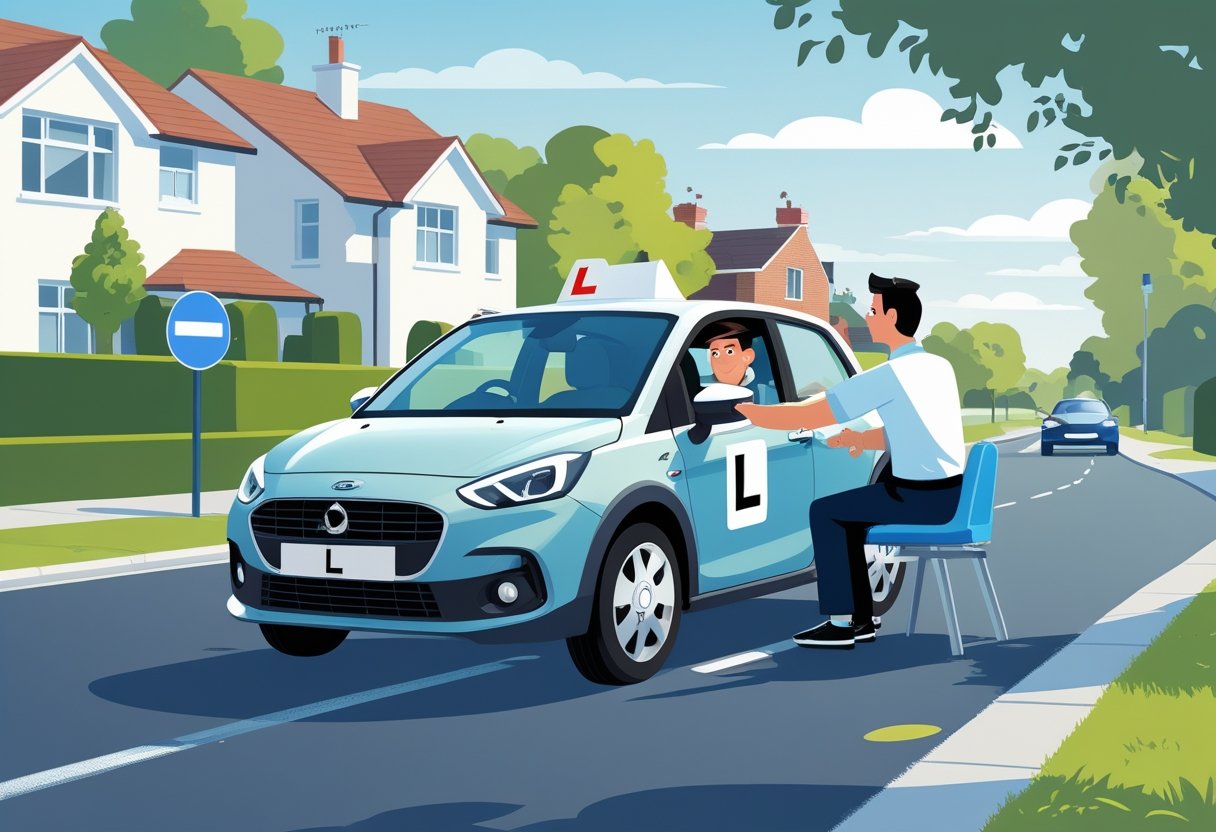
Insurance for learner drivers allows you to legally practise driving in your own vehicle with proper supervision. This specialised cover protects both you and other road users whilst you build confidence behind the wheel of a car you own or have regular access to.
How Learner Driver Insurance Works
Learner driver insurance operates much like standard car insurance, but with one crucial difference: you must always have a qualified supervisor in the passenger seat.
Your supervisor needs to meet strict DVSA requirements. They must be at least 21 years old and hold a full UK driving licence for your car’s transmission type (manual or automatic). Most importantly, they need at least three years of driving experience.
We love that this type of insurance for learner drivers gives you complete freedom to practise whenever suits you best. There’s no black box monitoring your every move, and you won’t face any evening curfews that restrict your learning schedule.
You can choose between short-term policies (starting from just 28 days) or annual cover. Short-term options work brilliantly if you’re close to taking your test, whilst annual policies suit learners who want extended practice time.
The beauty of having your own policy means you’re building something valuable for your future. Many insurers let you start earning a no-claims bonus after 10 months of claim-free driving, giving you a head start on cheaper insurance once you pass your test.
Benefits Compared to Driving School Insurance
When you take professional lessons, you’re covered by your instructor’s car insurance. That’s convenient, but it doesn’t give you the extra practice time most learners desperately need.
Having your own learner policy means unlimited practice sessions (within reason, of course). You can work on specific skills like parallel parking or roundabouts until they become second nature. This extra time often translates to fewer professional lessons needed, potentially saving you hundreds of pounds.
Taking your driving test in your own car offers a massive confidence boost. You’ll know exactly how the clutch feels, where the indicators are, and how the steering responds. This familiarity can make the difference between test success and disappointment.
We’ve seen countless learners transform from nervous beginners to confident drivers simply because they had regular access to their own vehicle. There’s something special about learning in a car that feels like yours.
Differences from Standard Car Insurance
Learner driver insurance comes with unique restrictions that standard policies don’t have. The most obvious difference is the supervision requirement, which you cannot ignore under any circumstances.
Standard car insurance assumes you’re a qualified, independent driver. Learner policies recognise that you’re still developing essential skills and need guidance from an experienced driver at all times.
Pricing structures also differ significantly. Learner policies often cost more per day than standard insurance because new drivers statistically have higher accident rates. However, the flexibility of choosing short-term cover can actually save you money if you only need a few weeks of practice.
Claims handling works differently too. If you have an accident whilst learning, your supervisor shares responsibility for the situation. This shared accountability is built into learner policies but doesn’t exist with standard cover.
Age restrictions are stricter with learner insurance. Most providers won’t cover drivers under 17 or over 25, reflecting the specific market these policies serve.
Who Needs Learner Driver Insurance?
Anyone with a provisional licence who wants to practise driving in their own vehicle must have proper insurance cover. The rules are straightforward, but understanding exactly when and why you need this protection makes all the difference to your learning journey.
Eligibility Criteria for Learner Drivers
You’ll need learner driver insurance if you hold a provisional UK driving licence and want to get behind the wheel of your own car. This applies whether you’ve just received your provisional licence or you’ve been learning for months.
Age requirements start from 17 years old in most of the UK, though you can apply for your provisional licence when you turn 15 years and 9 months old. In Northern Ireland, you must be at least 17 to start learning in a car.
The beauty of insuring your own vehicle is the freedom it gives you. You can practise whenever suits your schedule, without waiting for family members or friends to lend you their car.
Key eligibility points:
- Hold a valid provisional driving licence
- Be at least 17 years old (England, Scotland, Wales)
- Own or have regular access to a vehicle
- Always drive with a qualified supervisor
Your supervisor must be over 21 and have held a full UK driving licence for at least three years. They need the right licence type for your car too, so if you’re learning in a manual, they must hold a manual licence.
When You Must Have This Cover
We can’t stress this enough: you absolutely must have insurance every single time you sit in the driver’s seat, even for a quick practice session around the block.
During practice sessions between professional lessons, insurance protects you, your supervisor, and other road users. Many learners think they can skip insurance for short trips, but this is illegal and incredibly risky.
Before your driving test, you’ll need valid insurance to use your own car. Test centres won’t let you take your test without proper cover, and driving instructors’ insurance won’t extend to your personal vehicle.
After passing your test, you’ll still need continuous cover. Many insurance providers offer special rates for newly qualified drivers, especially if you’ve already built up some experience on your own policy.
Remember these situations require cover:
- Practice drives with family or friends supervising
- Driving to and from your practical test
- Any time you’re the named driver of the vehicle
Legal Requirements for Practising in Your Own Car
The law is crystal clear: third-party insurance is the absolute minimum legal requirement for any vehicle on UK roads. This covers damage to other people and their property if you’re involved in an accident.
Third-party insurance might be the legal minimum, but we’d recommend considering more comprehensive cover. Learning to drive involves plenty of new challenges, and accidents can happen even with the most careful supervision.
Fully comprehensive cover protects your own vehicle too, which makes sense when you’re still mastering clutch control and parking manoeuvres. The peace of mind is worth the extra cost for most learner drivers.
Legal obligations include:
- Valid insurance certificate in your name
- Current MOT certificate (if your car is over 3 years old)
- Road tax paid and up to date
- L-plates displayed clearly on front and rear
Important note: Your supervisor shares legal responsibility while you’re driving. They must ensure you follow all traffic laws and can face penalties if you don’t. This shared responsibility makes proper insurance even more crucial for protecting everyone involved.
Types of Learner Driver Insurance Policies
When you’re ready to get learner driver insurance for your own vehicle, you’ll find two main decisions to make. You’ll need to choose between comprehensive and third-party cover, plus decide whether short-term or annual policies work better for your learning journey.
Comprehensive Versus Third-Party Cover
Comprehensive cover gives you the fullest protection when learning to drive in your own car. This type of car insurance covers damage to your vehicle, theft, fire, vandalism, and third-party costs if you accidentally damage someone else’s property.
What comprehensive policies typically include:
- Damage to your car from accidents
- Theft and attempted theft protection
- Fire and vandalism cover
- Third-party liability protection
Third-party cover only protects other people’s vehicles and property if you cause an accident. It won’t pay for repairs to your own car if something goes wrong during practice sessions.
Most learners choose comprehensive cover because it protects their investment. Learning to drive involves mistakes, and comprehensive policies give you peace of mind whilst building your skills.
The price difference between comprehensive and third-party cover isn’t always huge for learner drivers. We’d recommend getting quotes for both options to see which offers better value for your situation.
Short-Term and Annual Options
Short-term learner driver insurance runs from 28 days up to 140 days, perfect if you’re planning intensive practice before your test. These policies work brilliantly for focused learning periods or when you want flexibility.
Benefits of short-term policies:
- Cover from one month to five months
- Buy online instantly with immediate documents
- No long-term commitment required
- Great for intensive practice sessions
Annual policies suit learners who prefer steady, ongoing practice throughout the year. You’ll typically pay less per month compared to short-term options, plus you might start building your no-claims bonus.
Annual cover works particularly well if you own your car and plan to keep practising for several months. Some insurers let you convert these policies to full licences once you pass your test.
Choose short-term if you’re close to test-ready or want concentrated practice. Pick annual coverage if you’re starting your learning journey and prefer spreading costs over twelve months.
How to Get Insurance for Your Own Car as a Learner
Getting insurance for your own car as a learner involves finding the right provider, gathering proper documents, and understanding how your policy will change once you pass your test. You’ll need your provisional licence details and can often get cover that starts the same day you apply.
Steps to Apply and Essential Documents
Getting learner driver insurance for your own car is more straightforward than you might think. Most insurers can provide instant cover once you’ve got the right paperwork sorted.
You’ll need these key documents:
- Your provisional UK driving licence
- Vehicle registration details
- MOT certificate (if your car is over three years old)
- V5C logbook showing you’re the registered keeper
The application process is quite simple. Start by getting quotes online or over the phone with different providers. You’ll answer questions about your age, where you live, and details about your car.
Most insurers will ask about:
- Your driving experience (even if it’s none!)
- Where you’ll keep the car overnight
- Your intended annual mileage
- Security features on your vehicle
Many companies offer instant cover. This means you can get insured and start practising the same day. You’ll typically pay a setup fee alongside your premium.
Remember to tell your insurer who’ll be supervising you. They need to be at least 35 years old and have held their full UK driving licence for three years minimum.
Choosing the Right Provider
Not all insurers offer learner driver policies, so you’ll want to shop around for the best deal. Some companies specialise in young driver insurance and understand your needs better.
Look for these important features:
- No claims bonus building – Start earning this from day one
- Flexible payment options – Monthly payments can help with budgeting
- 24/7 claims helpline – Accidents don’t happen during office hours
- Age limits – Most cover drivers aged 17-21
Compare both comprehensive and third party, fire and theft options. Comprehensive gives you more protection but costs more. Third party covers damage to other people’s property plus fire and theft of your own car.
Check what’s not covered too. Many policies won’t cover cars worth more than £20,000 or vehicles over 16 years old. Some exclude certain car models that insurers see as high risk.
Read reviews from other learner drivers. They’ll give you honest feedback about claims handling and customer service. Price isn’t everything when you need support during stressful situations.
Switching to a Full Licence Policy After Passing
Once you pass your driving test, you must contact your insurer immediately. Driving home from the test centre without updating your policy could leave you uninsured.
Most learner policies can convert to full licence cover. You’ll usually pay an additional premium calculated from your test pass date. This keeps your no claims bonus building without interruption.
Your insurer might require:
- A telematics device (black box) fitted to your car
- Proof of your new full licence
- Updated premium payment
Some companies make this switch automatic once you notify them. Others might need you to take out a completely new policy. Ask about this process when you first get learner driver insurance.
Your premium will likely increase when you become a fully qualified driver. Newly passed drivers are statistically more likely to have accidents than learners with supervision.
Keep all your test pass documentation safe. Your insurer will need proof, and DVLA can take a few weeks to send your new photocard licence.
Building a No-Claims Bonus as a Learner
One of the smartest moves you can make as a learner driver is starting to build your own no-claims bonus right from day one. This discount grows stronger each year you stay claim-free, creating substantial savings on future insurance premiums.
How a No-Claims Bonus Works
Your no-claims bonus is essentially a reward for being a safe driver. Each year you complete without making an insurance claim, you earn another year of discount.
Most insurers offer no-claims bonuses that start at around 30% after your first claim-free year. This discount increases annually, often reaching 60-65% after five years of safe driving.
Traditional yearly progression:
- Year 1: 30% discount
- Year 2: 40% discount
- Year 3: 50% discount
- Year 4: 60% discount
- Year 5+: 65% discount
The brilliant thing about learner driver insurance is that your no-claims bonus starts building even whilst you’re still learning. This means by the time you pass your test, you’ve already got a head start on those valuable discounts.
When you’re added as a named driver on someone else’s policy, you typically don’t earn your own no-claims bonus. That’s why having your own learner policy puts you at a real advantage.
Long-Term Advantages for Young Drivers
Starting your no-claims bonus early can save you hundreds of pounds each year once you become a fully licensed driver. Young drivers typically face the highest insurance premiums, so every discount counts.
Let’s say your first year of full licence insurance costs £2,000. With a 30% no-claims bonus already in place, you’d pay £1,400 instead. That’s a saving of £600 straight away.
Additional benefits include:
- Protection options: You can often protect your bonus after building it up
- Transferability: Most no-claims bonuses transfer between insurers
- Proof of experience: Demonstrates your commitment to safe driving
Many insurers also view learner drivers who’ve built their own no-claims bonus more favourably. It shows responsibility and forward thinking, qualities that insurance companies appreciate when calculating premiums.
Your early investment in learner driver insurance becomes even more valuable as you progress through your driving career, creating a foundation for affordable motoring for years to come.
Staying Safe and Legal During Private Practice
When learning to drive in your own car, there are specific legal requirements you must follow to stay on the right side of the law. You’ll need proper supervision, correct L plate display, and the right preparation if you plan to take your practical test in the same vehicle.
Requirements for Supervision
You cannot legally drive your own car without meeting strict supervision requirements. Your supervisor must be at least 21 years old and hold a full UK driving licence for a minimum of three years.
The supervisor needs to be qualified to drive the type of car you’re learning in. If you’re practising in a manual car, they must hold a manual licence. However, if they only have an automatic licence, you can only practise in an automatic vehicle.
Your supervisor must remain alert and focused at all times. They cannot use their mobile phone or become distracted whilst you’re driving. This is crucial because they’re legally responsible for ensuring your safety and that of other road users.
Breaking these supervision rules carries serious penalties. You could face a fine of up to £1,000 and receive six penalty points on your provisional licence. These points would then transfer to your full licence once you pass your test.
We recommend choosing a supervisor who feels comfortable giving clear instructions and remains calm under pressure. The best supervisors are patient, encouraging, and familiar with current driving standards.
Rules for Displaying L Plates
L plates are a legal requirement when practising in your own car. You must display them clearly on both the front and rear of your vehicle before setting off on any journey.
The plates must be the correct size and clearly visible to other road users. Magnetic L plates work well on most cars, but make sure they’re securely attached and won’t fall off during your journey.
Failing to display L plates properly can result in a fine and up to six penalty points on your provisional licence. Police officers can stop you for this offence, and it’s one of the most common mistakes new learners make.
Remove the L plates as soon as someone with a full licence takes over driving. Displaying them when not required can confuse other drivers and may even invalidate your insurance in certain circumstances.
Always check your L plates are clean and undamaged before each practice session. Weather and road conditions can affect visibility, so replace them if they become worn or difficult to read.
Taking Your Practical Test in Your Own Car
Many learners choose to take their practical test in their own car because they’re more familiar with its controls and handling characteristics. This can boost confidence and improve your chances of success.
Your car must meet specific requirements for the practical test. It needs a valid MOT certificate, road tax, and appropriate insurance that covers you and the driving examiner. The handbrake must be easily accessible to the examiner from the passenger seat.
The vehicle must have an additional interior rear-view mirror for the examiner to use during the test. Most driving test centres can provide clip-on mirrors, but check this when booking your test.
L plates must be removed before the test begins, but you’ll need to reapply them if you don’t pass. Keep spare plates in the car so you can drive home legally with your supervisor if needed.
Book your test well in advance, as popular test centres often have long waiting lists. Taking your test in your own car eliminates the stress of adapting to an unfamiliar vehicle on such an important day.
Frequently Asked Questions
Learning to drive in your own car brings up loads of practical questions about insurance coverage, costs, and legal requirements. These answers will help you navigate the ins and outs of getting proper protection whilst you’re building your driving skills.
What steps should I take to insure my personal vehicle for practice as a learner driver?
Getting your own car insured as a learner is actually quite straightforward once you know the process. Start by shopping around for quotes from insurers that specifically offer learner driver policies, as not all companies provide this coverage.
You’ll need your provisional licence number, vehicle details, and information about any supervising drivers who’ll be with you. Most insurers can provide instant quotes online, making it easy to compare options.
Consider whether you want short-term cover (starting from 28 days) or an annual policy. Short-term insurance works brilliantly if you’re planning to take your test soon, whilst annual policies often offer better value if you’re in for the long haul.
Don’t forget to factor in the type of car you’re insuring. Smaller engines and vehicles in lower insurance groups will keep your premiums more manageable.
Can you clarify the insurance requirements for a provisional licence holder driving their own car?
As a provisional licence holder, you must have valid insurance coverage every time you get behind the wheel. This isn’t optional, it’s a legal requirement that protects you, other road users, and your vehicle.
You need at least third-party insurance, which covers damage to other people’s property and vehicles. However, we’d recommend considering comprehensive cover, especially since you’re still learning and accidents can happen.
Your supervising driver must also meet specific requirements. They need to be at least 21 years old and have held a full licence for minimum three years. If you’re driving a manual car, they must hold a manual licence too.
Remember, you can’t drive alone on public roads with just a provisional licence. Your qualified supervisor must always be with you, and they share legal responsibility for your actions whilst driving.
How do provisional insurance policies differ from full licence insurance coverage?
Provisional insurance recognises that you’re always supervised, which actually makes you lower risk than many assume. This supervision requirement is built into the policy terms and often reflects in more reasonable pricing than you might expect.
The key difference is flexibility. Many learner policies offer shorter terms, from 28 days up to 12 months, because your needs are temporary. Full licence insurance typically runs for a year minimum.
Provisional policies also consider your learning journey. Some insurers offer the chance to start building your no-claims bonus whilst you’re still learning, giving you a head start once you pass your test.
Black box options work particularly well for learners. The technology monitors your driving habits and can lead to lower premiums if you demonstrate safe driving practices during your learning period.
What are the most cost-effective insurance options for learner drivers using their own vehicle?
Short-term learner insurance often provides the best value if you’re planning to pass your test within a few months. Prices can start from as little as 59p per day, making it incredibly affordable for focused practice periods.
Annual policies become more economical if you’re learning over a longer timeframe. Though the upfront cost is higher, the daily rate works out cheaper, and you avoid the hassle of renewing coverage repeatedly.
Black box insurance deserves serious consideration. The monitoring device encourages safe driving habits, and insurers often reward good behaviour with lower future premiums once you’ve passed your test.
Consider the vehicle you’re learning in carefully. Cars in lower insurance groups (typically smaller engines, common models) will significantly reduce your premiums compared to high-performance or luxury vehicles.
Could you explain the process of adding a learner driver to an existing car insurance policy?
Adding a learner to an existing policy is possible, but it’s worth weighing up the pros and cons carefully. Contact your insurer to discuss adding a named driver with a provisional licence to the policy.
Expect your premiums to increase when you add a learner driver. Insurance companies view learners as higher risk, even though they’re supervised, so your monthly payments will likely go up.
The biggest consideration is protecting the main policyholder’s no-claims bonus. If you have an accident as a learner, it could affect the car owner’s discount, potentially costing them money for years to come.
Many families find that separate learner insurance actually works out cheaper and safer. It protects everyone’s no-claims bonus and often costs less than the premium increase on an existing policy.
What should I look out for in the fine print of a car insurance policy for practising learner drivers?
Pay close attention to mileage limits, especially with short-term policies. Some insurers restrict how many miles you can drive, and exceeding these limits could invalidate your coverage or result in extra charges.
Check the supervision requirements carefully. Most policies specify that your supervisor must remain alert and sober, not just present in the car. Some insurers have specific rules about where the supervisor must sit.
Look for any time restrictions, particularly with black box policies. Some insurers penalise driving during certain hours or impose curfews that might not suit your learning schedule.
Examine what’s included if you have an accident. Does the policy cover courtesy cars? Are there excess charges you’ll need to pay? Understanding these details upfront prevents nasty surprises later.
Always check whether the policy automatically renews and how to cancel if you pass your test early. Some insurers offer partial refunds for unused coverage, whilst others don’t.