

Insurance Requirements for Learner Drivers: Everything You Need to Know
Getting behind the wheel as a learner driver is one of life’s most exciting milestones, but before you can start practising on public roads, there’s one crucial requirement you absolutely must sort out first. All learner drivers need proper insurance coverage whenever they drive on public roads, whether they’re using their own car or borrowing someone else’s vehicle. This isn’t just a good idea – it’s the law, and driving without insurance can land you in serious trouble with hefty fines and penalty points.
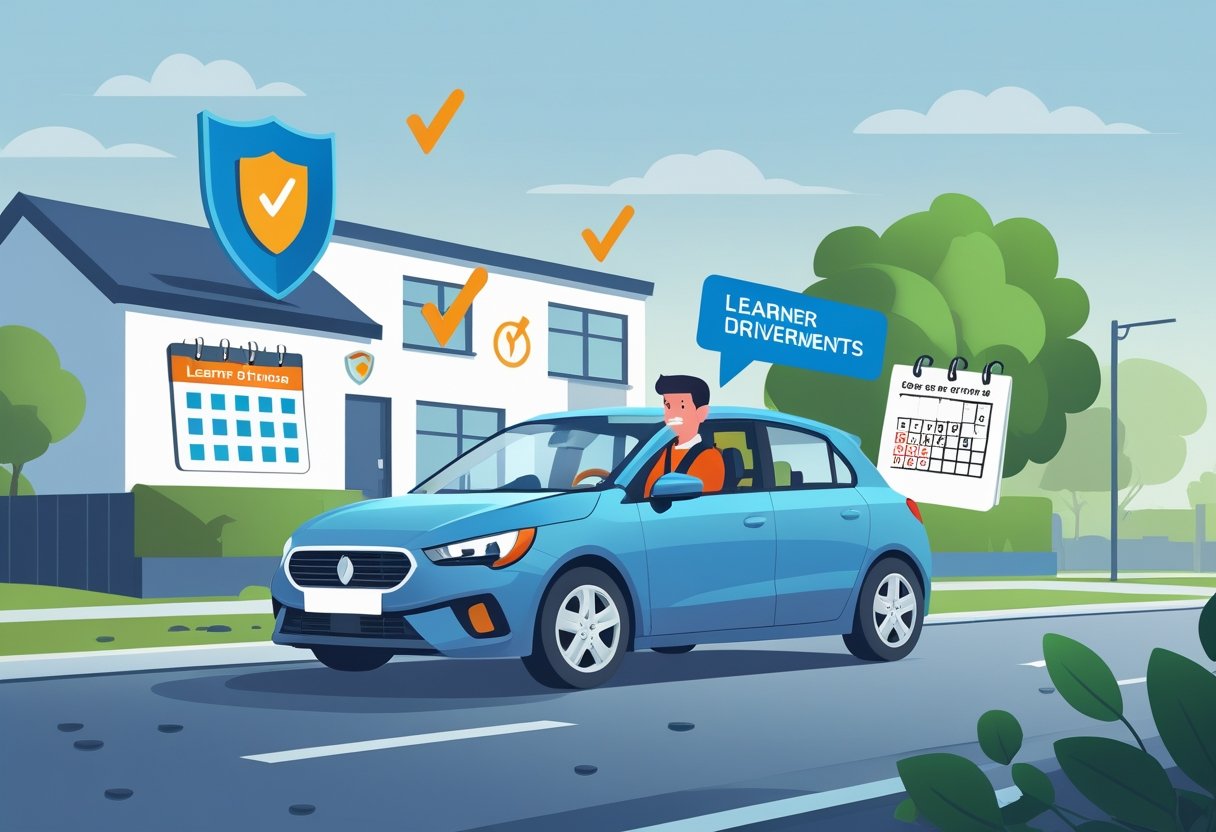
The good news is that learner driver insurance doesn’t have to break the bank, and you’ve got several smart options to choose from. Whether you’re planning to get your own policy or become a named driver on a family member’s insurance, understanding your choices can save you money and give you peace of mind as you build your driving skills.
We’ll walk you through everything you need to know about insurance requirements for learner drivers, from the different types of policies available to clever ways to keep costs down. You’ll discover what coverage you actually need, which providers offer the best deals for provisional licence holders, and how to avoid common pitfalls that could invalidate your insurance when you need it most.
Why Learner Drivers Need Insurance
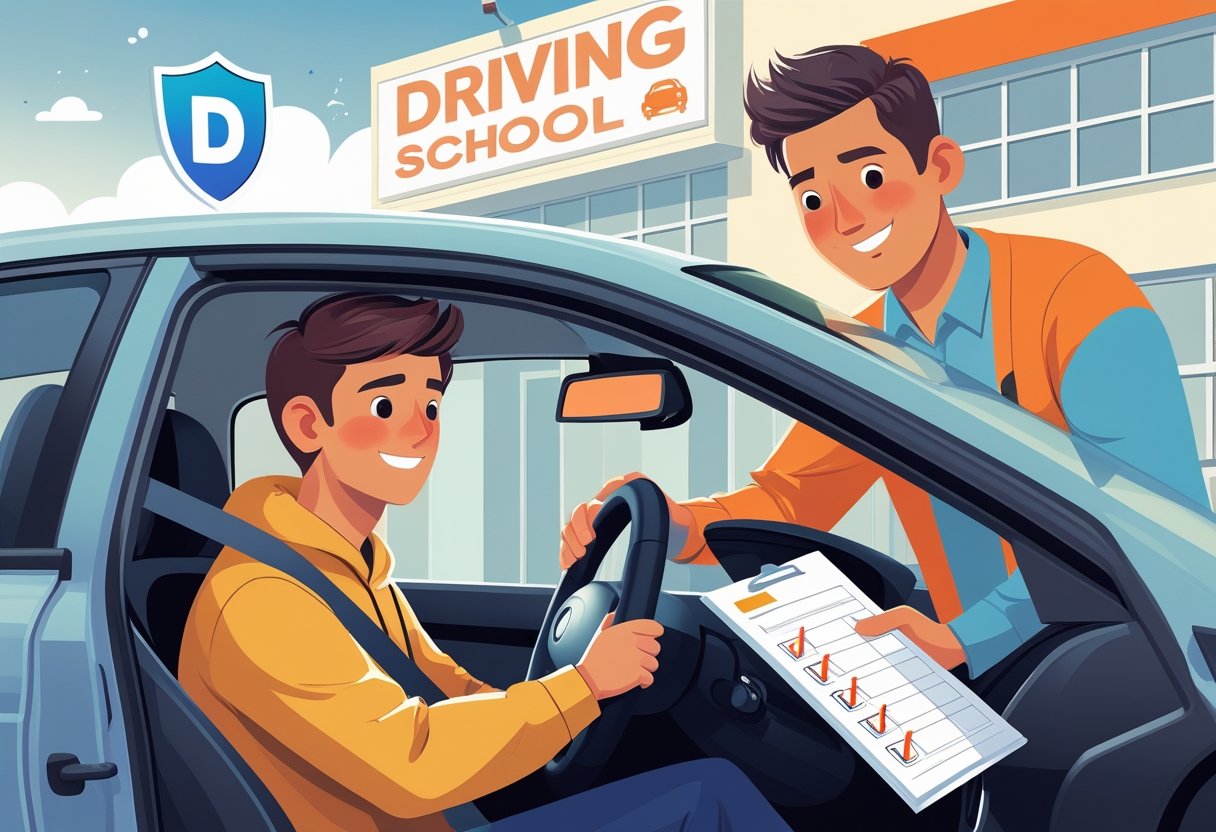
All learner drivers must have proper insurance coverage before getting behind the wheel on UK roads, regardless of whose car they’re driving. This legal requirement protects both you and other road users, whilst ensuring you won’t face serious financial and legal consequences if something goes wrong.
Legal Requirements for Provisional Licence Holders
Every driver with a provisional licence must be insured by law. There are no exceptions to this rule, even if you’re just popping round the corner for a quick practice session.
The Road Traffic Act makes it crystal clear. If you’re caught driving without valid insurance, you’ll face some pretty hefty penalties that could seriously impact your driving future.
Here’s what you’re looking at if caught uninsured:
- Fixed penalty of £300 and 6 points on your licence
- Potential court summons with unlimited fines
- Disqualification from driving in serious cases
- Vehicle seizure by police on the spot
The penalties don’t stop there. Having an uninsured driving conviction makes getting car insurance much more expensive later on. Some insurers won’t even offer you a policy.
Your provisional driving licence works exactly like a full licence when it comes to insurance requirements. The only difference is you need a qualified supervisor with you at all times.
Who is Responsible When Practising in Someone Else’s Car
If you’re learning in a family member’s or friend’s car, someone still needs to arrange proper coverage for you. You can’t just assume their existing policy covers you automatically.
Most standard car insurance policies don’t include learner drivers. The car owner needs to either add you as a named driver or help you get temporary learner driver insurance.
Adding you as a named driver means updating their existing policy to include you. This approach often costs less upfront, but any claims you make could affect their no-claims bonus and future premiums.
Getting your own temporary policy keeps things separate. You’ll build your own driving record from day one, and any mishaps won’t impact the car owner’s insurance history.
Professional driving instructors handle this differently. Their business insurance covers all their students automatically. You don’t need to worry about arranging anything when using an instructor’s dual-control car.
Always double-check the coverage before your first drive. Don’t rely on assumptions about what’s covered.
Risks of Driving Without Insurance
The financial risks of uninsured driving can be absolutely devastating. Without proper coverage, you’re personally liable for any damage or injuries you cause, and those costs can easily reach hundreds of thousands of pounds.
Consider what happens in a typical accident scenario. Repairing modern cars costs far more than most people realise. A seemingly minor bump could result in repair bills of £5,000 or more.
If you injure someone, the costs spiral dramatically. Medical treatment, ongoing care, lost earnings, and compensation payments can reach enormous sums. We’re talking about potential lifetime financial ruin here.
Your own vehicle damage isn’t covered either. If you crash the car you’re learning in, you’ll need to pay for all repairs or replacement costs out of your own pocket.
The Motor Insurers’ Bureau might pursue you for compensation they’ve paid out to victims of your uninsured driving. They have legal powers to recover these costs from you directly, and they will use them.
Beyond money, there’s the impact on your driving future. An uninsured driving conviction stays on your record for years, making legitimate insurance policies much more expensive and harder to find.
Types of Learner Driver Insurance Policies
Learner drivers have several insurance options available, from temporary cover lasting just one day to full annual policies. The right choice depends on whether you’re driving your own car or practising in someone else’s vehicle, and whether you want your own policy or prefer being added as a named driver.
Short-Term and Annual Cover
Temporary learner driver insurance offers brilliant flexibility for new drivers who want to practise occasionally. You can buy cover for anywhere from one day to several months, making it perfect for weekend practice sessions or intensive learning periods.
This type of cover works particularly well if you’re only planning a few practice drives before your test. The daily rates might seem higher than annual policies, but you’ll only pay for what you actually need.
Annual learner driver insurance policies make more sense if you’re planning regular practice sessions over many months. These policies typically offer better value per day, especially if you’re driving frequently.
Here’s something important to remember: your learner policy becomes invalid the moment you pass your test. You’ll need to arrange standard driver insurance before driving home from the test centre, regardless of whether you chose temporary or annual cover.
Own Car Versus Practising in Someone Else’s Car
If you own your car, you’ll need a dedicated learner driver insurance policy in your name. You can choose between third-party cover (which covers damage you cause to others) or comprehensive cover (which also protects your own vehicle).
We often find comprehensive cover isn’t much more expensive than third-party insurance for learners. Some insurers actually charge more for third-party policies because they view these customers as higher risk.
When practising in someone else’s car, you have more flexibility. You can still take out your own learner policy, which means any accidents won’t affect the car owner’s insurance premiums or no-claims bonus.
This approach also helps you start building your own insurance history, which will benefit you when you become a qualified driver.
Named Driver Policies versus Own Policy
Being added as a named driver to someone else’s existing policy can be the most affordable option. You’ll get the same level of cover as the main policyholder, and the premiums are often lower than taking out your own policy.
However, there’s a crucial rule to follow: you must not drive the car more than the main policyholder. This practice, called “fronting,” is considered insurance fraud and can result in cancelled policies, refused claims, and even criminal prosecution.
Having your own learner driver insurance policy gives you complete independence and peace of mind. You won’t affect anyone else’s insurance if you have an accident, and you can start building your own no-claims bonus from day one.
Your own policy also means you can practise whenever suits you, without worrying about impacting someone else’s insurance premiums. Many learners find this independence worth the potentially higher cost.
Eligibility and Key Rules for Learner Drivers
Before you hit the road, you’ll need to meet specific eligibility requirements and follow essential rules that keep both you and other road users safe. These rules cover everything from who can sit beside you to how you display your learner status.
Minimum Age and Licence Criteria
You can start your driving journey at 17 years old in most of the UK. However, if you’re receiving the higher rate of the mobility component of Disability Living Allowance, you can begin at 16.
The first step is obtaining your provisional driving licence. You’ll need to apply through the DVLA and pay the required fee. Once your provisional licence arrives, you’re officially ready to start learning.
Your provisional licence gives you permission to:
- Drive on all UK roads (except motorways)
- Take driving lessons with an approved instructor
- Practice with a qualified supervising driver
You must carry your provisional driving licence whenever you’re behind the wheel. It’s a legal requirement that you’ll need to show if requested by police.
Who Qualifies as a Supervising Driver
Not just anyone can supervise your driving practice. Your supervising driver must meet strict criteria to ensure your safety and legal compliance.
A qualified supervisor must be:
- At least 21 years old
- Hold a full UK driving licence for the category of vehicle you’re learning in
- Have held their licence for a minimum of three years
Your supervisor doesn’t need any special training or qualifications beyond these requirements. However, they should be patient, calm, and confident in their own driving abilities.
Remember that your supervisor is legally responsible for ensuring you follow all traffic laws. They can face penalties if you break driving rules whilst under their supervision.
Requirements for Displaying L Plates
L plates are your badge of honour as a learner driver. They alert other drivers to give you extra space and patience on the road.
You must display red L plates on the front and back of any vehicle you’re driving. The plates must be clearly visible and not obscured by anything.
L plate specifications:
- Red letter ‘L’ on a white background
- Minimum height of 178mm
- Can be magnetic, tied on, or stuck with suction cups
- Must be removed when a full licence holder drives the vehicle
In Wales, you can choose to display red D plates (for ‘Dysgwr’, meaning learner in Welsh) instead of L plates. Both are equally valid and legally recognised.
What Learner Driver Insurance Covers
Learner driver insurance works differently from regular car insurance, offering specific protections whilst you’re building your driving skills. The coverage protects both you and other road users, though it comes with unique rules about no claims bonuses and optional extras.
What Is and Isn’t Included in Coverage
Third-party cover forms the foundation of any learner driver insurance policy. This protects you if you accidentally damage someone else’s car or injure another person. It’s the legal minimum you need to drive on UK roads.
Comprehensive cover goes much further. It pays for repairs to the car you’re driving, even if the accident was your fault. Many learners think comprehensive costs more, but it’s often cheaper than basic third-party cover.
Fire and theft protection sits between these options. Your policy covers the car if it’s stolen or damaged by fire, plus the standard third-party benefits.
Most policies include these extras:
- Windscreen cover for chips and cracks
- Personal accident benefits if you’re injured
- Legal expenses to help with accident claims
What’s typically excluded:
- Driving without a qualified supervisor aged 21+ with three years’ experience
- Using the car for business purposes
- Driving outside permitted hours (some policies restrict night driving)
- Any damage from racing or competitions
Impact on No Claims Discount
Here’s where learner driver insurance gets interesting. If you take out your own policy, you can start building a no claims discount straight away. This valuable bonus reduces your premiums when you become a fully qualified driver.
Building your own bonus gives you a head start. Even six months of claim-free driving as a learner creates a foundation for cheaper insurance later. We’ve seen new drivers save hundreds of pounds by having this discount ready.
Protecting others’ bonuses matters too. When you use temporary learner insurance on someone else’s car, their no claims discount stays safe. If you have an accident, it won’t affect their policy or future premiums.
Named driver arrangements work differently. You won’t build your own no claims discount, but any accidents could impact the main policyholder’s bonus. This makes temporary cover particularly attractive for practice sessions.
Supporting Extras and Add-Ons
Voluntary excess options let you reduce premiums by agreeing to pay more if you claim. Setting your excess at £500 instead of £250 can cut costs significantly. Just make sure you can afford the higher amount.
Mileage restrictions often come with lower premiums. If you’ll only drive 2,000 miles whilst learning, choosing a low-mileage policy saves money compared to unlimited cover.
Breakdown cover isn’t always included automatically. Adding this protection means help arrives quickly if the car breaks down during practice sessions. It’s especially valuable on longer journeys or unfamiliar routes.
Legal protection cover helps if someone makes a false claim against you. Whilst accidents during learning are usually straightforward, this extra support provides peace of mind.
Pass Plus discounts appear with some insurers. They offer cheaper premiums once you qualify if you complete the additional training course. This advanced instruction often pays for itself through reduced insurance costs.
Steps to Arrange Learner Driver Insurance
Getting your learner driver insurance sorted doesn’t have to be overwhelming. We’ll guide you through comparing quotes effectively, applying for cover with confidence, and making the transition after you pass your driving test.
Comparing Quotes and Policies Online
Shopping around for learner driver insurance can save you serious money, and we recommend getting at least three quotes before making your decision. Different insurers offer vastly different rates for provisional licence holders, so it’s worth investing time in comparison.
Start by using price comparison websites to get a broad view of what’s available. These platforms show you multiple quotes quickly, but don’t stop there. Visit individual insurer websites directly, as they sometimes offer exclusive deals that don’t appear on comparison sites.
Key factors to compare:
- Cover duration (28 days to 12 months)
- Excess amounts (how much you’ll pay if you claim)
- No-claims bonus protection for the car owner
- Additional benefits like courtesy cars or breakdown cover
Read the small print carefully. Some policies restrict when you can drive or require specific supervision arrangements. Others might offer flexible start dates, which is brilliant if you’re not ready to begin practising immediately.
Consider whether you want comprehensive cover or just third-party insurance. Comprehensive policies cost more but protect you against damage to the car you’re learning in.
Best Practices When Applying for Cover
Honesty is absolutely crucial when applying for learner driver insurance. Insurers take a dim view of incorrect information, and it could invalidate your policy entirely. We always tell learners to double-check every detail before submitting their application.
Have your provisional driving licence number ready, along with details about any previous driving experience or theory test passes. Some insurers offer small discounts if you’ve already passed your theory test.
Essential information you’ll need:
- Full name and address
- Provisional licence number and issue date
- Details about the car you’ll be learning in
- Information about your supervising driver
Apply during weekdays if possible. Insurance companies often process applications faster during business hours, and you’re more likely to speak with experienced staff if you need to call with questions.
Many insurers now offer instant online cover, but don’t rush the process. Take time to understand what you’re buying, especially regarding when your cover starts and any cooling-off period.
Changing Insurance After Passing Your Test
Congratulations on passing your driving test! Now it’s time to sort out your insurance situation as a newly qualified driver. Your learner driver insurance typically ends the moment you pass your practical test.
Contact your insurance provider immediately after passing. Some companies allow you to convert your learner policy into full driver cover, which can be more convenient than starting fresh. This conversion might also help you keep any no-claims bonus you’ve started building.
If you’ll continue using the same car, explore becoming a named driver on the owner’s main policy. This option often works out cheaper for new drivers, though you won’t build your own no-claims bonus as quickly.
Your post-test options:
- Convert existing learner policy to full cover
- Become a named driver on someone else’s policy
- Shop around for a new policy as a qualified driver
Remember that insurance for newly qualified drivers can be expensive. Consider advanced driving courses, as some insurers offer discounts for additional training. Black box insurance policies can also help reduce premiums by monitoring your driving habits.
Keep your test pass certificate safe, as you’ll need it when arranging new insurance policies.
Cost Factors and How to Save on Learner Driver Insurance
Learner driver premiums can feel steep, but understanding what drives these costs and knowing the right money-saving tricks can make cover much more affordable. Several key factors influence your quotes, whilst smart choices like telematics boxes and targeted discounts can slash your premiums significantly.
What Influences Premiums for Learner Drivers
Age plays the biggest role in determining your learner driver insurance costs. Insurers view drivers under 25 as higher risk, with 17-year-olds facing the steepest premiums.
Your postcode matters enormously too. Living in areas with higher crime rates or accident statistics pushes up costs. Urban postcodes typically cost more than rural ones.
The car you choose makes a huge difference. Smaller engines (1.0 to 1.2 litres) in lower insurance groups keep premiums down. Sports cars or high-performance vehicles will send costs soaring.
How you’ll use the car affects pricing. Occasional practice driving costs less than daily commuting to work or college.
Your chosen excess amount impacts premiums directly. Higher voluntary excess reduces monthly costs, but means you’ll pay more if you claim.
Previous driving experience counts, even as a learner. Some insurers offer better rates if you’ve had professional lessons or completed theory tests.
Using Telematics and Other Discounts
Telematics insurance policies can cut costs dramatically for careful learner drivers. These “black box” devices monitor your driving habits, rewarding safe behaviour with lower premiums.
The technology tracks speed, braking patterns, cornering, and time of day you drive. Drive smoothly and avoid late-night trips, and you’ll see genuine savings on your renewal.
Many insurers offer specific learner discounts worth exploring:
- Pass Plus course discounts (10-15% off)
- Multiple policy discounts when added to family car insurance
- Advanced driving course reductions
- Good student discounts for strong academic performance
Shopping around remains essential. Use comparison sites, but also check specialist learner insurers directly. Some offer unique deals not available elsewhere.
Consider short-term policies if you only need occasional cover for practice. These flexible insurance policies often work out cheaper than annual cover for infrequent drivers.
Leading Providers and Useful Resources
Several major insurers offer specialised policies for learner drivers, with RAC being a prominent choice alongside established names like Allianz and Hastings Direct. Getting support from these major providers means you’ll have access to dedicated customer service teams who understand the unique needs of new drivers.
RAC Learner Driver Insurance Overview
RAC stands out as one of the most recognisable names in learner driver insurance. They’ve built their reputation on understanding what new drivers actually need.
Their policies typically cover you from age 17 onwards. You can drive your own car or someone else’s vehicle with the right supervision.
Key RAC benefits include:
- Flexible policy lengths from one day to several months
- 24/7 breakdown cover often included
- Clear supervision guidelines
- Competitive pricing for temporary cover
RAC makes it straightforward to get quotes online. Their policies usually require an eligible supervisor aged 21 or over with at least three years’ driving experience.
The insurer often provides additional perks like discounts on driving lessons. This can help stretch your budget further whilst you’re learning.
Getting Support from Major Insurers
Major insurers like Allianz, Hastings Direct, and others provide dedicated support teams for learner drivers. These teams understand the questions you’re likely to have.
Common support services include:
- Policy guidance over the phone
- Online chat support
- Clear explanations of cover types
- Help with claims processes
Most major insurers offer comparison tools on their websites. This lets you see different policy options side by side.
Many providers also have mobile apps. These make it easy to manage your policy, update details, or contact support whilst you’re out and about.
Confused.com and similar comparison sites help you explore multiple insurers at once. This saves time and often reveals better deals than going direct to individual companies.
Frequently Asked Questions
Getting the right insurance coverage as a learner driver involves understanding essential cover requirements, temporary policy options, and how your learning journey affects both your own costs and those of existing policyholders.
What type of insurance cover is essential for someone just starting out with driving lessons?
You’ll need comprehensive insurance coverage that protects you, the vehicle, and other road users. This covers damage to the car you’re learning in, injury to yourself or others, and damage to other people’s property.
The cover must be valid for provisional licence holders. Standard car insurance policies often exclude learner drivers, so you’ll need specialist learner insurance or to be added as a named driver to an existing policy.
Your insurance must also cover the specific type of practice you’re doing. If you’re learning with a professional instructor, their insurance typically covers you during lessons. For private practice with family or friends, you’ll need separate cover.
Are there specific insurance companies that offer bespoke policies tailored for individuals with a provisional licence?
Several insurers specialise in learner driver policies designed specifically for provisional licence holders. Companies like Veygo, InsureLearnerDriver, and DriveWISE offer flexible short-term policies ranging from one day to 140 days.
These specialist providers understand the unique needs of learner drivers. They offer policies that don’t affect the car owner’s no claims bonus and provide comprehensive cover for vehicles up to certain insurance groups and values.
Traditional insurers like Allianz also offer learner-specific products. Many provide the option to add learner drivers to existing family policies as named drivers, which can be more cost-effective for longer-term learning.
Can a learner driver secure insurance on their own, or must the policy be under the name of an experienced driver?
You can absolutely get insurance in your own name as a learner driver. Temporary learner policies are issued directly to you, giving you complete control over your coverage without involving the car owner’s insurance.
This independent approach protects the vehicle owner’s no claims bonus. If you have an accident, their insurance record stays clean because your policy handles the claim entirely.
For your own car, you can take out either short-term policies (one to five months) or annual learner policies. Annual policies even let you start building your own no claims bonus before passing your test.
What are the potential consequences of not having adequate cover as a novice driver on the road?
Driving without proper insurance carries serious legal and financial consequences. You could face a fixed penalty of £300 and six penalty points on your provisional licence, or even court prosecution with unlimited fines.
Police can seize and potentially destroy uninsured vehicles. You’ll also face difficulty getting affordable insurance in the future, as insurers view uninsured driving as high-risk behaviour.
Without adequate cover, you’re personally liable for all costs if you cause an accident. This could mean paying thousands for vehicle repairs, medical bills, and compensation claims. These costs could follow you for years.
How does the addition of a learner driver affect the insurance premiums of an existing policyholder?
Adding a learner driver to your existing policy typically increases premiums significantly. Insurers view learners as high-risk, so expect substantial premium rises, often several hundred pounds annually.
The exact increase depends on factors like the learner’s age, where they live, and the car they’ll drive. Younger learners and high-performance vehicles push costs up further.
However, some policies offer learner driver extensions that cost less than separate temporary insurance for extended learning periods. Compare both options to find the most economical solution for your situation.
Are there any temporary insurance options ideal for learner drivers aiming to practice between professional lessons?
Short-term learner insurance is perfect for practice sessions between formal lessons. Policies range from one hour to 140 days, letting you choose exactly what you need without paying for unnecessary cover.
Daily rates start from around £12, with weekly cover from £37. Longer periods offer better value, with 140-day policies typically costing under £250 for comprehensive coverage.
These policies activate immediately after purchase, with documents delivered electronically. You can arrange cover the night before practice sessions or even on the same day, making them incredibly convenient for fitting extra practice around your schedule.