

Managing Blind Spots During Lane Changes: The Complete Driver’s Guide
Changing lanes can feel nerve-wracking, especially when you’re still building your confidence behind the wheel. Those moments when you’re unsure if another car is lurking just outside your mirrors can make even experienced drivers hesitate. The truth is, most lane change accidents happen because drivers miss something in their blind spots, but this doesn’t have to be your reality.
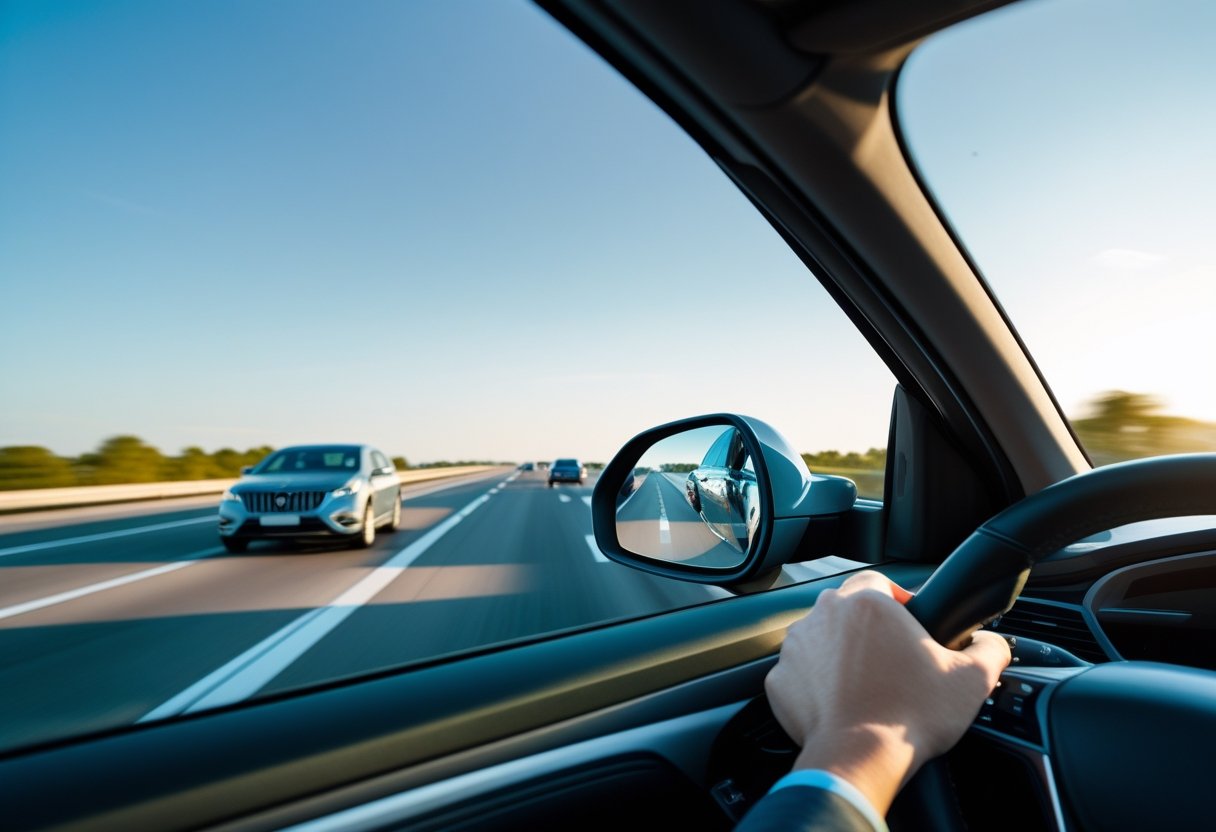
Mastering blind spot management transforms lane changing from a stressful guessing game into a smooth, confident driving skill you can rely on. We’ll walk you through everything from understanding where your vehicle’s blind spots are hiding to developing the muscle memory that makes checking them feel natural. You’ll discover practical techniques that work in real-world driving situations, not just theory that sounds good on paper.
Whether you’re preparing for your driving test or simply want to feel more secure when navigating busy motorways, we’ve got you covered. From traditional mirror techniques to modern technology that can lend a helping hand, you’ll learn how to build lasting awareness that keeps you and everyone around you safe on the road.
Understanding Blind Spots and Safe Lane Changes
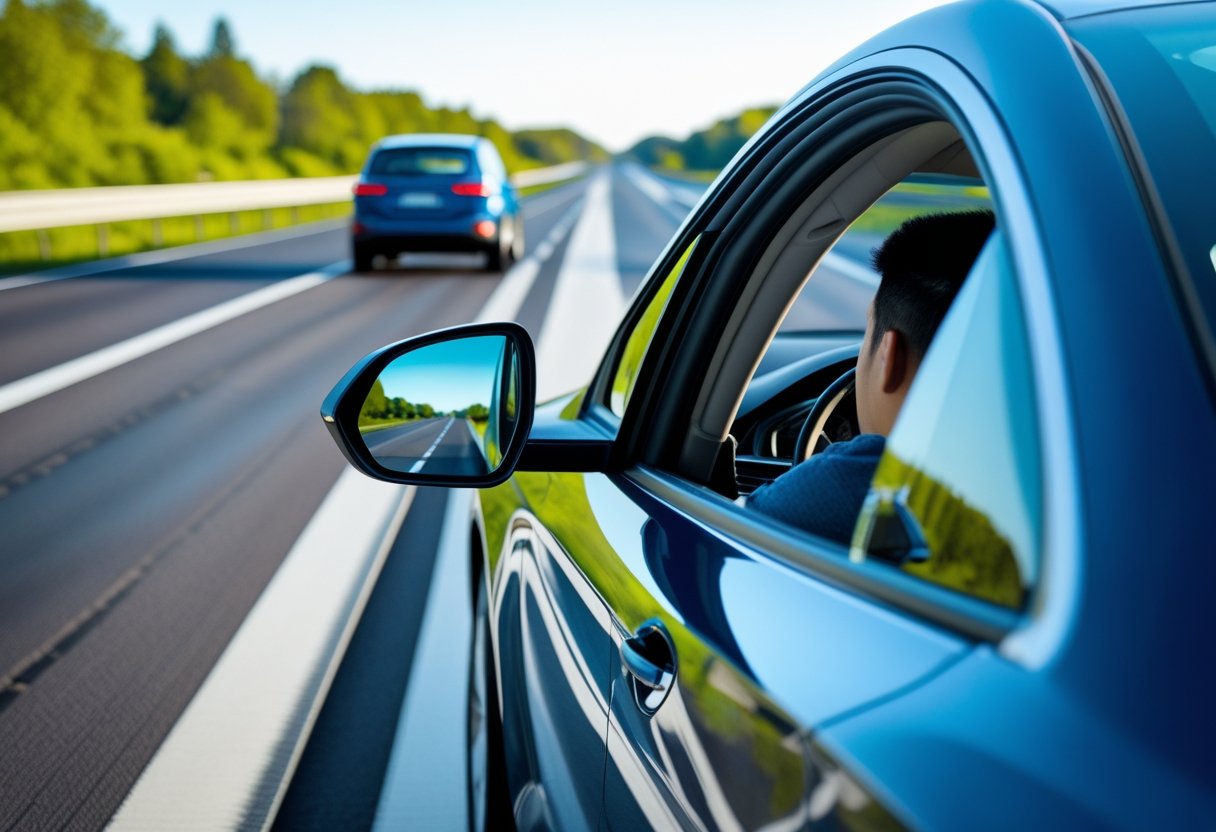
Blind spots create hidden dangers around every vehicle, and these invisible zones become particularly risky when we’re changing lanes. Learning to manage these areas properly transforms lane changes from nerve-wracking manoeuvres into confident, controlled actions.
What Are Blind Spots?
Blind spots are the areas around your vehicle that you can’t see through your mirrors or direct vision. Every car has them, and they’re much larger than most new drivers realise.
The main blind spots include:
- Rear quarter panels: The areas behind and slightly to the side of your car
- A-pillar zones: Where your windscreen frame blocks your view
- Direct rear areas: Spots your rear-view mirror can’t capture
Your side mirrors show you a lot, but they can’t capture everything. There’s always a gap between what your mirrors show and what you can see by turning your head. This gap is where other vehicles can “disappear” completely.
The size of these blind spots changes depending on your car. Larger vehicles like SUVs and vans have much bigger blind spots than smaller cars. Even the height of other drivers affects what you can see.
Modern cars often have convex sections on side mirrors to help reduce blind spots. These curved areas give you a wider view, but they also make vehicles appear smaller and further away than they actually are.
The Risks of Ignoring Blind Spots
When we don’t check our blind spots properly, we’re setting ourselves up for potentially serious accidents. Side-swipe collisions happen when drivers change lanes without spotting vehicles in these hidden areas.
Common accident scenarios include:
- Merging into a car that’s been travelling in your blind spot
- Cutting off motorcycles or cyclists who are harder to spot
- Colliding with vehicles during overtaking manoeuvres
Motorcycles present particular challenges because they’re smaller and can easily hide in blind spots. A bike that seems far behind you in your mirror might actually be right next to your car door. This is why shoulder checks are absolutely essential.
The consequences go beyond just bumps and scratches. These accidents often happen at higher speeds, especially on motorways or dual carriageways. What starts as a “minor” lane change error can quickly escalate into something much more serious.
Statistics show that blind spot-related accidents contribute to over 840,000 collisions annually. That’s a staggering number that highlights just how critical proper blind spot management really is.
Why Lane Changes Demand Extra Caution
Lane changes are among the most complex driving manoeuvres we perform regularly. Unlike driving straight ahead, changing lanes requires us to coordinate multiple actions whilst managing several potential risks simultaneously.
Key factors that make lane changes challenging:
- Speed differences: Other vehicles might be travelling faster or slower than you expect
- Multiple blind spots: You’re checking areas on both sides of your vehicle
- Timing pressure: Finding safe gaps in flowing traffic requires quick decisions
- Environmental factors: Weather, lighting, and road conditions all affect visibility
Traffic moves quickly, and safe gaps can disappear in seconds. This time pressure sometimes leads drivers to rush their checks or skip the shoulder glance entirely. However, these shortcuts dramatically increase accident risks.
Different types of roads present unique challenges. Motorway lane changes happen at high speeds with less room for error. City driving involves more frequent lane changes but with slower speeds and more distractions.
Weather conditions make everything more difficult:
- Rain reduces visibility and increases stopping distances
- Bright sunlight can create glare that hides other vehicles
- Snow or fog can make it nearly impossible to judge distances accurately
The good news is that with proper technique and consistent practice, we can master safe lane changes. Building these habits early in your driving journey sets you up for a lifetime of confident, safe driving.
Common Blind Spot Locations in Vehicles
Every vehicle has specific areas where your view gets blocked, no matter how well you position your mirrors. These blind spots appear in predictable places around cars, and understanding exactly where they occur helps you stay safer during lane changes.
Typical Blind Spots in Cars
The most common blind spot sits just over your right shoulder, roughly where another car would be if it were travelling alongside you in the next lane. This area stretches from about the rear passenger door to slightly behind your vehicle.
On the left side, we find a similar blind spot over your left shoulder. This zone often catches drivers off guard because it feels like you should be able to see it easily.
Your rear-view and side mirrors simply cannot cover these areas completely. Even when properly adjusted, a gap exists between what your mirrors show and what you can see through your peripheral vision.
Most cars also have smaller blind spots at the front corners of the vehicle. These appear where your bonnet meets the front wings, creating small pockets that hide motorcycles or cyclists.
Here are the main blind spot locations:
- Over right shoulder (most dangerous)
- Over left shoulder
- Front corner areas near bonnet
- Directly behind the vehicle (especially in tall cars)
The size of these blind spots varies depending on your height, seat position, and how you’ve adjusted your mirrors.
How A-Pillars and Vehicle Design Affect Visibility
A-pillars are the metal supports that hold up your windscreen on both sides. These structural elements create blind spots that block your view diagonally ahead and to the sides of your vehicle.
Modern cars have thicker A-pillars than older models because of safety requirements. While this makes the car stronger in a crash, it also creates larger blind spots that can hide pedestrians, cyclists, or other vehicles.
The blind spots from A-pillars become most noticeable when you’re turning at junctions or roundabouts. A pedestrian crossing the road might disappear completely behind the A-pillar for several seconds.
Vehicle design choices also affect visibility. Cars with smaller windows, higher beltlines, or sportier designs often have larger blind spots. The trend toward sleeker styling sometimes comes at the cost of visibility.
You can minimise A-pillar blind spots by moving your head slightly left or right when approaching junctions. This simple movement lets you see around the pillar and spot hazards that might be hiding there.
Blind Spots in Larger Vehicles and Lorries
Lorries and large vehicles have much bigger blind spots than cars, extending much further in all directions. These vehicles have blind spots that can completely hide an entire car for extended periods.
The right side of a lorry has the largest blind spot, stretching from just in front of the cab all the way back past the trailer. This area can hide multiple vehicles at once.
Large vehicles also have significant blind spots directly in front and behind them. A car following too closely behind a lorry might be completely invisible to the driver.
HGV blind spots include:
- Entire right side of the vehicle
- Several metres directly in front
- Large area directly behind
- Left side near the cab
When driving near lorries, we need to be extra cautious during lane changes. If you cannot see the driver’s face in their mirrors, they probably cannot see you either.
SUVs and pickup trucks sit somewhere between cars and lorries for blind spot size. Their higher driving position helps with some visibility but creates larger blind spots in other areas, particularly at the rear and sides.
Essential Techniques for Managing Blind Spots During Lane Changes
Mastering blind spots during lane changes requires three key skills: setting up your mirrors correctly, performing thorough head checks, and communicating your intentions early. These techniques work together to create a safety net that keeps you and other drivers protected.
Proper Mirror Adjustment for Wider Visibility
We often see drivers with poorly adjusted mirrors that create dangerous gaps in their vision. Your side mirrors should be positioned so you can barely see the edge of your car in the inner corner.
This setup eliminates most of the overlap between your mirrors and creates better coverage. When you check mirrors during a lane change, you should see a continuous view from your rear-view mirror to your side mirrors.
Quick Mirror Test:
- Sit in your normal driving position
- Adjust side mirrors until your car’s edge barely shows
- Check that a car passing you moves smoothly from rear-view to side mirror to peripheral vision
Many drivers make the mistake of angling mirrors too far inward. This creates a large blind spot that traditional mirror adjustment techniques can miss.
Your mirrors should complement each other, not duplicate the same view. When set up correctly, you’ll notice vehicles appearing in your side mirror just as they disappear from your rear-view mirror.
The Art of the Blind Spot Check (Head Checks)
The blind spot check is your final safety net before changing lanes. Even with perfectly adjusted mirrors, you still need to physically turn your head to look over your shoulder.
This head check should be quick but thorough. Turn your head about 90 degrees to look directly into the lane you’re entering.
Timing Your Head Check:
- Check your mirrors first
- Signal your intention
- Perform the blind spot check
- Make your move if clear
Some drivers worry about taking their eyes off the road ahead. The key is making this check swift and confident. A quick glance of half a second is usually enough to spot any vehicles lurking in your blind spot.
Practice this movement until it becomes second nature. Your head check should feel as natural as checking your rear-view mirror at a traffic light.
Remember that motorcycles and cyclists are particularly hard to spot in blind spots. They’re smaller and can easily hide in the areas your mirrors can’t cover.
Signalling Early and Communicating Clearly
Signal early to give other drivers time to react to your intentions. Your indicators should go on well before you start moving into the next lane.
Early signalling helps create space for your manoeuvre. Other drivers often adjust their speed or position when they see your signal, making your lane change safer and smoother.
Best Practice Timeline:
- Signal at least 3 seconds before moving
- Check mirrors and blind spots
- Begin your lane change gradually
- Cancel signal once settled in new lane
Don’t treat your indicators as an afterthought. They’re your primary way of communicating with other road users about what you plan to do next.
Some situations require even earlier signalling. On motorways or in heavy traffic, giving other drivers 5-6 seconds notice can make all the difference between a smooth manoeuvre and a dangerous situation.
Building Confident Lane Changing Skills
Strong lane changing skills develop through practice and proper technique. We’ll focus on mastering the correct steps, developing defensive driving habits, and maintaining smooth traffic flow whilst staying predictable to other drivers.
Steps for a Safe Lane Change
Building your driving skills starts with following a clear process every time you change lanes. We call this the mirror-signal-manoeuvre routine, and it becomes second nature with practice.
Check your mirrors first. Look at your rear-view mirror, then your side mirror for the lane you want to enter. This gives you the basic picture of traffic around you.
Signal your intentions early. Turn on your indicator at least three seconds before you plan to move. This tells other drivers what you’re about to do.
Check your blind spot physically. Turn your head and look over your shoulder towards the lane you’re entering. Mirrors can’t show you everything, and this quick glance catches vehicles hiding in your blind spots.
Look for a safe gap. You need enough space both behind and in front of where you want to move. The gap should be at least three car lengths.
Here’s what makes the difference:
- Speed matching: Adjust your speed to match traffic in your target lane
- Smooth movements: Make gradual steering adjustments rather than sudden jerks
- Double-checking: Glance at your mirrors one more time before moving
Cancel your signal once you’ve completed the lane change. Leaving indicators on confuses other drivers and creates dangerous situations.
Building Defensive Driving Habits
Defensive driving means staying alert and planning ahead. We develop these habits through consistent practice and awareness of what’s happening around us.
Anticipate other drivers’ behaviour. Watch for cars that might change lanes without signalling or drivers who seem distracted. Look for clues like vehicles positioned close to lane markings or cars following too closely behind slower traffic.
Maintain safe following distances in your new lane. Give yourself at least two seconds behind the car in front, more in poor weather conditions.
Avoid rushing your lane changes. Aggressive moves create dangerous situations and stress other drivers. Plan your route ahead so you’re not making last-minute changes.
Stay visible to others. Position your car where other drivers can see you easily. Avoid lingering in other vehicles’ blind spots, especially alongside large lorries or buses.
Practice patience when traffic is heavy. Sometimes it’s better to wait for a clearer opportunity rather than forcing your way into a tight gap.
We build these defensive driving skills by staying calm and focused. Each successful lane change builds your confidence for the next one.
Maintaining Traffic Flow and Predictability
Good drivers help traffic move smoothly by being predictable and considerate. Our actions affect everyone around us, so we aim to blend seamlessly with traffic flow.
Match the speed of traffic in your target lane before moving. Changing lanes at a much different speed disrupts the natural flow and can cause other drivers to brake suddenly.
Time your moves appropriately. Avoid changing lanes during busy periods unless necessary. Look for natural gaps in traffic rather than creating your own.
Be consistent with your signals. Always indicate your intentions clearly and give other drivers time to react. Cancel signals promptly to avoid confusion.
Choose your moments wisely. Some situations call for extra caution:
| Situation | Best Practice |
|---|---|
| Heavy traffic | Wait for natural gaps, avoid forcing moves |
| Motorway slip roads | Plan lane changes well in advance |
| Rush hour | Allow extra time and space |
| Poor weather | Increase following distances, signal earlier |
Avoid lane hopping or making multiple quick changes. This behaviour is unpredictable and dangerous. Plan your route so you can stay in appropriate lanes for longer periods.
Help others when possible. If you see a car trying to merge, create space when you safely can. This courtesy keeps traffic flowing and makes driving more pleasant for everyone.
Building these skills takes time, but each practice session makes you more confident and capable behind the wheel.
Blind Spot Monitoring and Modern Driver-Assistance Technologies
Blind spot monitoring systems use sophisticated radar sensors and cameras to detect vehicles in your peripheral vision zones, whilst modern driver-assistance technologies integrate these warnings with visual dashboard displays and audible alerts. These systems work alongside parking sensors and other ADAS features to create a comprehensive safety network that helps prevent lane-change collisions.
How Blind Spot Monitoring Systems Work
Modern blind spot detection relies on radar sensors mounted in your vehicle’s rear bumper or door mirrors. These sensors continuously scan the areas alongside and slightly behind your car, typically covering zones that extend from your door mirrors back about three to four metres.
The system creates an invisible detection field that monitors for moving objects. When another vehicle enters this zone, the sensors immediately recognise the presence and calculate the object’s speed and trajectory.
Key Components:
- Radar sensors: Usually positioned in rear bumper corners
- Processing unit: Analyses sensor data in real-time
- Warning indicators: Located in door mirrors or dashboard
- Integration module: Connects with other ADAS systems
The technology works at various speeds, though most systems activate above 10 mph. Some advanced versions can detect motorcycles, cyclists, and even large pedestrians.
What makes these systems particularly clever is their ability to distinguish between stationary objects like lamp posts and moving vehicles that pose actual collision risks. The sensors constantly update their readings, ensuring you receive accurate warnings during dynamic driving situations.
Types of Visual and Audible Alerts
Blind spot monitoring systems use multiple alert methods to grab your attention without causing dangerous distractions. The most common visual alerts appear as illuminated icons in your door mirrors, typically showing as amber or red warning lights.
Visual Alert Options:
- Mirror indicators: LED lights embedded in mirror housings
- Dashboard warnings: Icons on instrument cluster displays
- Head-up displays: Projected warnings on windscreen
- Augmented reality displays: Advanced overlays showing vehicle positions
Audible alerts often accompany visual warnings, especially when you activate your turn signal whilst another vehicle occupies your blind spot. These sounds range from gentle chimes to more urgent beeping patterns.
Some premium systems include haptic feedback through steering wheel vibrations or seat pulsations. This tactile approach works particularly well in noisy driving environments where audible alerts might get lost.
Alert Intensity Levels:
- Passive monitoring: Subtle mirror lights when vehicles detected
- Active warnings: Brighter lights plus sounds when indicating
- Emergency alerts: Rapid flashing and urgent tones for imminent collisions
The beauty of modern systems lies in their adaptability, allowing you to customise alert sensitivity and types based on your driving preferences and comfort level.
Role of ADAS and Augmented Reality Displays
Advanced Driver-Assistance Systems integrate blind spot monitoring with other safety technologies, creating a comprehensive protective network around your vehicle. This integration allows parking sensors, lane departure warnings, and collision avoidance systems to work together seamlessly.
ADAS coordination means your blind spot warnings can communicate with adaptive cruise control and steering assistance. If you begin changing lanes whilst a vehicle approaches in your blind spot, the system might temporarily adjust your speed or provide gentle steering corrections.
ADAS Integration Benefits:
- Coordinated responses: Multiple systems work together
- Reduced false alarms: Cross-referencing prevents unnecessary alerts
- Enhanced accuracy: Combined sensor data improves detection
- Smoother interventions: Gradual corrections rather than jarring alerts
Augmented reality displays represent the cutting edge of blind spot technology. These systems project real-time images or graphics onto your windscreen or infotainment display, showing actual positions of detected vehicles.
Rather than simply warning you about a presence in your blind spot, augmented reality can show you exactly where the other vehicle is located and how fast it’s approaching. This visual information helps you make more informed decisions about when it’s truly safe to change lanes.
The technology continues evolving, with some manufacturers developing 360-degree camera systems that eliminate blind spots entirely by providing comprehensive views around your vehicle.
Developing Lasting Blind Spot Awareness
Creating proper blind spot habits takes time and practice, but the effort pays off with safer driving for years to come. We’ll focus on building these skills through proper education, understanding other drivers’ limitations, and creating habits that stick.
Driver Education and Ongoing Practice
Driver safety starts with solid education, but it doesn’t end when we pass our test. The best drivers keep learning throughout their lives.
Formal driving lessons give us the foundation. Your instructor will show you the proper sequence for checking mirrors and blind spots. They’ll help you develop muscle memory for these movements.
Practice makes these checks automatic. Start slowly and be deliberate with each movement. Look in your interior mirror, then your side mirror, then turn your head to check the blind spot.
We recommend practising in quiet car parks first. Set up cones or markers and practise lane changes repeatedly. This builds confidence before tackling busy roads.
Keep practising even after passing your test. Studies show that drivers who continue learning have fewer accidents. Take refresher lessons or advanced driving courses when possible.
Key practice areas include:
- Roundabouts with multiple lanes
- Dual carriageways during light traffic
- Residential areas with parked cars
- Car parks with reversing manoeuvres
Being Mindful of Others’ Blind Spots
Understanding where we sit in other drivers’ blind spots keeps us safer on the road. Every vehicle has these hidden areas.
Lorries and large vehicles have massive blind spots. If we can’t see the driver in their mirrors, they can’t see us. Stay well back or overtake quickly when safe to do so.
Motorcyclists and cyclists can disappear easily in our blind spots. They’re smaller and move differently than cars. Take extra time to check for them, especially at junctions.
We should position ourselves thoughtfully on multi-lane roads. Avoid lingering beside other cars where they might not spot us. Either drop back or move ahead to stay visible.
Watch for signs that other drivers haven’t seen us:
- No indication before lane changes
- Drifting towards our lane
- Sudden movements without warning
When we notice these signs, we can adjust our position or give a gentle horn tap to alert them.
Building Lifelong Safe Driving Habits
Good blind spot awareness becomes second nature with the right approach. We want to create habits that last decades.
Start every journey by adjusting your mirrors properly. Your interior mirror should frame the entire rear window. Side mirrors should show just a sliver of your car’s edge.
Make blind spot checks part of your routine. Before every lane change, merger, or turn, follow the same sequence. This consistency builds strong habits that stick.
Technology can help, but it shouldn’t replace proper checking. Blind spot monitoring systems reduce accidents by 14%, but they’re not perfect. Always do physical checks alongside any electronic aids.
Daily habits that improve blind spot awareness:
- Check mirror positions before driving
- Practice the mirror-signal-manoeuvre sequence
- Take breaks on long journeys to stay alert
- Keep windows clean for better visibility
We also need to stay humble about our abilities. Even experienced drivers make mistakes. The key is staying vigilant and never assuming we’ve seen everything around us.
Regular eye tests help maintain good vision. Poor eyesight makes blind spots more dangerous, so keep your prescription up to date.
Frequently Asked Questions
These common questions about blind spots and lane changes come up regularly in driving lessons. Here’s how to handle mirror adjustments, build confidence in checking techniques, and develop the skills you need for safe lane changes.
How can I confidently check for cars in my blind spot before changing lanes?
The secret to confident blind spot checks lies in developing a reliable routine. Start by checking your rearview mirror, then your side mirror, and finish with a quick shoulder check over your shoulder in the direction you’re moving.
Your shoulder check should be brief but thorough. A quick glance lasting about half a second is usually enough to spot any lurking vehicles.
Practice this sequence until it feels natural. The more you repeat it, the more confident you’ll become in trusting your checks.
Remember that motorcycles and cyclists can be particularly hard to spot. They move quickly and take up less space, so take extra care when checking for these road users.
What’s the best way to adjust my mirrors to minimise blind spots?
Proper mirror positioning makes a huge difference in reducing blind spots. Your rearview mirror should show the entire rear window with equal amounts of space on both sides.
For your side mirrors, adjust them so you can just see the edge of your car in the bottom corner. This positioning gives you the widest possible view of the lanes beside you.
Many drivers position their side mirrors too inward, which creates unnecessary overlap with the rearview mirror. Push them slightly outward to expand your field of vision.
Consider adding small convex blind spot mirrors to your existing side mirrors. These little additions can help cover those tricky areas that standard mirrors miss.
Can you give me some tips for staying aware of my surroundings when preparing to switch lanes?
Staying aware starts with regularly scanning your mirrors every few seconds, not just when you want to change lanes. This habit helps you build a mental picture of the traffic around you.
Signal your intentions early to let other drivers know what you’re planning. Three seconds before moving is a good rule of thumb.
Watch for fast-approaching vehicles in your mirrors. Cars, motorcycles, and lorries can close gaps much quicker than you might expect.
Keep an eye on the traffic ahead in your target lane too. There’s no point moving into a lane that’s about to slow down or stop.
Stay patient if conditions aren’t right for a lane change. It’s better to wait for a proper gap than to rush and create a dangerous situation.
What should I do if I spot a vehicle in my blind spot just as I’m about to change lanes?
Don’t panic if you discover a car in your blind spot at the last moment. Cancel your indicator immediately to show other drivers you’re not moving.
Stay in your current lane and maintain your speed. Sudden braking or acceleration can confuse the driver in your blind spot and make the situation worse.
Wait for the vehicle to either overtake you or drop back, then repeat your mirror and blind spot checks from the beginning.
This situation is exactly why we always do that final shoulder check. It’s your last chance to spot something your mirrors might have missed.
Use this as a learning moment. Think about what you might have missed in your earlier checks and how you can improve next time.
Is there a technique for quickly and safely checking blind spots when traffic is heavy?
In heavy traffic, timing becomes crucial for safe blind spot checks. Make your checks during moments when traffic ahead is stable and you don’t need to focus on sudden braking.
Keep your blind spot checks brief but effective. A quick shoulder glance is usually sufficient when traffic is moving slowly and predictably.
In stop-and-go traffic, use the stationary moments to plan your lane changes and assess the traffic around you.
Be extra cautious of motorcycles filtering between lanes during heavy traffic. They can appear in your blind spots very quickly in these conditions.
Remember that other drivers might be more impatient in heavy traffic, so give clear signals and take your time to make safe decisions.
Why is it important to regularly practice blind spot checks, and how can it become second nature?
Regular practice builds muscle memory that makes blind spot checks automatic. The more you repeat the correct sequence, the less you’ll need to think about each step consciously.
Consistent practice prevents dangerous habits from forming. It’s much easier to learn the right technique from the start than to break bad habits later.
Try practicing your mirror and blind spot checks even when you’re not changing lanes. This helps reinforce the routine and keeps you aware of your surroundings.
Set small goals for yourself, like completing perfect check sequences for a week. Celebrating these milestones helps build confidence.
Remember that even experienced drivers can get complacent about blind spot checks. Making it second nature protects you throughout your driving life, not just during your learning period.