

Managing Panic Attacks Behind the Wheel: Regain Control & Drive with Confidence
You’re cruising down the motorway when suddenly your heart starts racing, your palms get sweaty, and you feel like you can’t breathe properly. If this sounds familiar, you’re not alone in experiencing panic attacks whilst driving. Many drivers face this frightening challenge, and it can make even the simplest journey feel impossible.
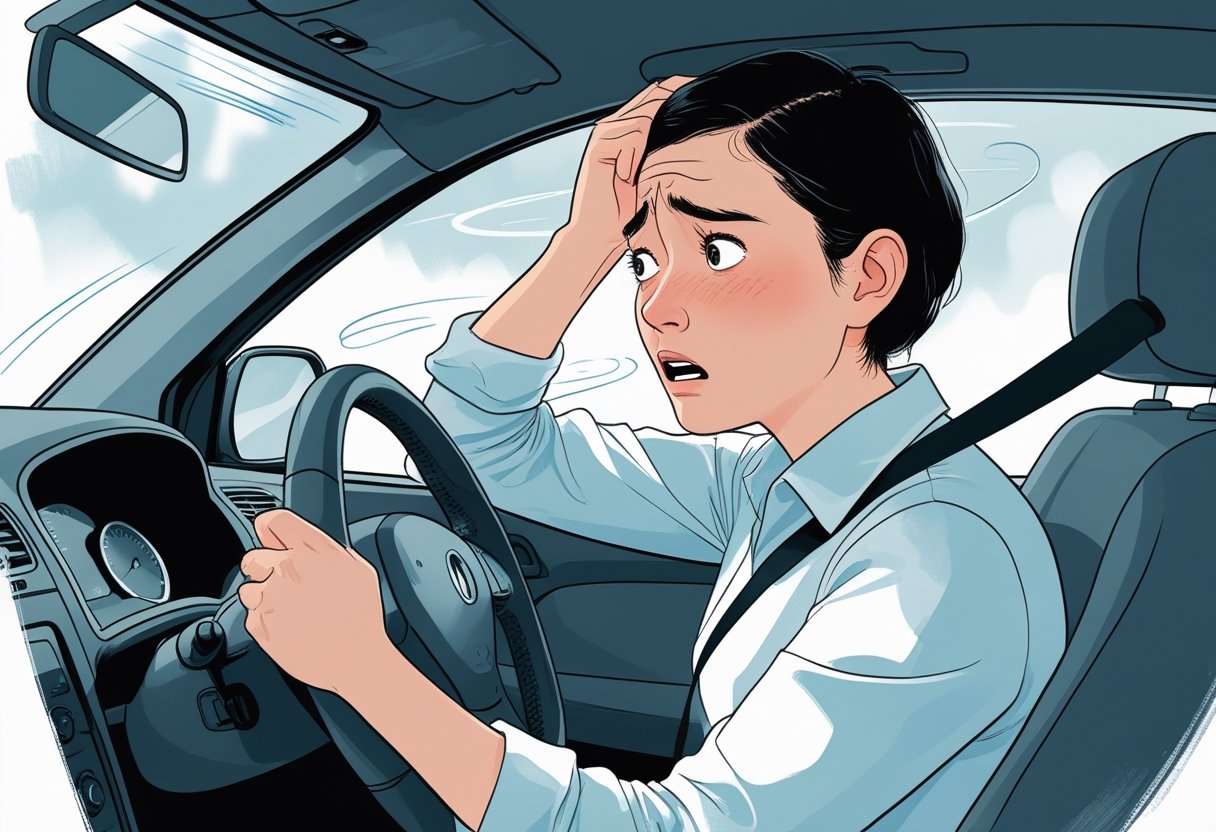
The good news is that panic attacks behind the wheel are completely manageable with the right techniques and strategies. We understand how overwhelming these moments can feel, especially when you’re responsible for operating a vehicle safely. That crushing sensation of losing control doesn’t have to define your relationship with driving.
In this guide, we’ll walk you through everything you need to know about understanding panic attacks, keeping yourself safe during an episode, and building lasting confidence for the road ahead. We’ll explore immediate coping strategies, long-term resilience techniques, and professional support options that can help you reclaim your driving independence. Whether you’ve had one scary experience or you’re dealing with regular anxiety behind the wheel, there are proven ways to get back to enjoying your journeys.
What Is a Panic Attack Behind the Wheel?
A panic attack whilst driving brings intense fear and overwhelming physical symptoms that can make you feel like you’re losing control of both yourself and your vehicle. These episodes differ significantly from everyday driving nerves, creating unique challenges that require specific understanding and management techniques.
Key Signs and Symptoms Whilst Driving
When a panic attack strikes behind the wheel, your body launches into full alarm mode. Your heart pounds so hard you can feel it in your chest. Your hands might shake on the steering wheel, making it difficult to maintain steady control.
Physical symptoms include:
- Rapid heartbeat or chest pounding
- Sweating and chills
- Dizziness or feeling faint
- Trouble breathing or choking sensations
- Nausea or stomach upset
- Tingling in hands or feet
Mental and emotional signs include:
- Sudden, overwhelming fear
- Feeling detached from yourself
- Fear of dying or losing control
- Intense urge to escape the car
- Feeling like something terrible will happen
These panic attack symptoms can appear without warning. You might be driving normally one moment, then suddenly feel trapped and desperate to pull over. The confined space of a car can make these feelings worse.
How Panic Attacks Differ from General Anxiety in Drivers
Regular driving anxiety builds gradually and stays manageable. You might feel nervous about motorways or worry about making mistakes, but you can usually push through these feelings.
Panic attacks are completely different beasts. They hit like lightning strikes, bringing intense physical symptoms that feel life-threatening. Whilst anxiety disorders create ongoing worry, a panic attack while driving creates immediate crisis.
Key differences:
| General Driving Anxiety | Panic Attacks |
|---|---|
| Develops slowly | Strikes suddenly |
| Manageable discomfort | Overwhelming terror |
| Specific driving worries | Fear of dying or losing control |
| Mild physical symptoms | Intense bodily reactions |
| Lasts throughout journey | Peaks within minutes |
General anxiety lets you keep driving, even if uncomfortably. Panic attacks often force you to pull over immediately. The intensity makes normal thinking nearly impossible, whilst regular anxiety just makes driving feel more challenging.
Why Do Panic Attacks Happen When Driving?
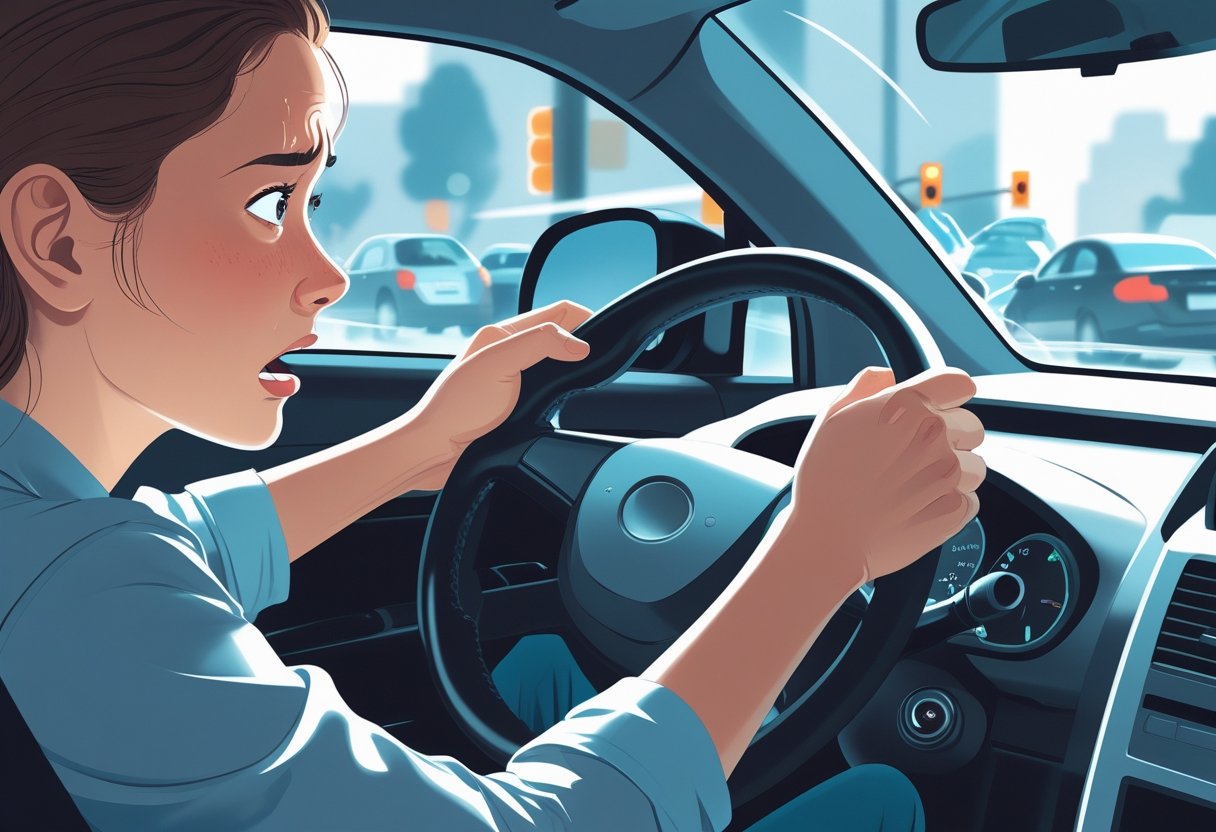
Understanding what triggers panic attacks whilst driving helps us tackle them more effectively. These intense episodes often stem from specific road situations, underlying stress or trauma, and our natural fear of losing control in a potentially dangerous environment.
Typical Triggers on the Road
Certain driving situations naturally increase our stress levels and can spark panic attacks. Motorways are particularly challenging because they create a sense of being trapped at high speeds with limited escape routes.
Heavy traffic jams trigger panic in many drivers. The feeling of being stuck between other vehicles, unable to move freely, can overwhelm our nervous system quickly.
Bridges and tunnels present unique challenges. These enclosed or elevated spaces limit our options for stopping safely, which feeds into claustrophobia and panic responses.
Rush hour driving combines multiple stressors at once. We’re dealing with aggressive drivers, time pressure, and congested roads simultaneously.
Road works and lane closures force us into unfamiliar patterns. The uncertainty of changed routes and narrow spaces can trigger anxiety in vulnerable moments.
Poor weather conditions like heavy rain, fog, or snow reduce our visibility and control. This naturally heightens our alert system and can push some people into panic territory.
Night driving presents its own set of triggers. Reduced visibility and the isolation of dark roads can amplify existing driving anxiety considerably.
The Role of Stress, Trauma, and Phobias
Panic disorder doesn’t always start with driving. Many people experience their first panic attack in a car simply because that’s where they spend significant time each day.
Previous car accidents create lasting emotional imprints. Even minor fender-benders can develop into serious driving anxiety if we don’t process the trauma properly.
Generalised anxiety often manifests whilst driving because cars represent enclosed spaces where we feel responsible for everyone’s safety. This weight of responsibility can become overwhelming.
Some people develop specific fear of driving after witnessing accidents or hearing frightening news stories. Our brains are wired to protect us, sometimes overprotecting in response to perceived threats.
Medical conditions like heart problems or breathing difficulties can trigger panic attacks. The fear of losing control due to a medical episode whilst driving creates a cycle of anxiety.
Claustrophobia contributes significantly to driving panic. Being enclosed in a metal box, especially in traffic, can activate our fight-or-flight response unexpectedly.
Life stress often shows up in our cars. Work pressure, relationship problems, and financial worries can all manifest as panic attacks during our daily commute.
Fear of Losing Control and Driving Anxiety
Fear of losing control sits at the heart of most driving-related panic attacks. We worry about fainting, having a heart attack, or becoming so overwhelmed that we can’t operate the vehicle safely.
This fear creates a vicious cycle. We become hyper-aware of our physical sensations whilst driving, which ironically makes us more likely to notice normal bodily functions and interpret them as dangerous.
Driving anxiety often develops gradually. It might start with mild discomfort on busy roads, then progress to avoiding certain routes, and eventually become full panic attacks in any driving situation.
The responsibility we feel for passenger safety amplifies our anxiety. Knowing that our actions directly affect other people’s wellbeing can feel overwhelming, especially during stressful moments.
Many people fear they’ll lose the ability to think clearly during a panic attack. This catastrophic thinking convinces us that we’ll make dangerous decisions or forget how to drive properly.
The physical symptoms of panic attacks (racing heart, sweating, dizziness) feel particularly frightening when we’re responsible for controlling a vehicle. Our natural instinct tells us these symptoms make driving unsafe, even though they rarely actually impair our driving ability.
Staying Safe During a Panic Attack
When panic strikes while driving, your immediate priority is getting yourself and others out of harm’s way whilst managing the overwhelming sensations flooding your system. Quick, decisive actions combined with proven calming strategies can transform a frightening experience into a manageable moment you can work through safely.
How to Pull Over Calmly and Responsibly
The moment you recognise panic symptoms beginning, start scanning for a safe place to stop. Don’t wait for the feelings to intensify.
Look for these safe stopping spots:
- Service stations or car parks
- Lay-bys with adequate space
- Quiet side streets (not main roads)
- Hospital or police station car parks
Put your hazard lights on straight away. This alerts other drivers that you’re experiencing difficulty and need space.
If you’re on a motorway, aim for the next junction rather than the hard shoulder. The hard shoulder should only be used in genuine emergencies when no other option exists.
Signal early and move across lanes gradually. Don’t make sudden movements that could startle other drivers or worsen your panic symptoms.
Once you’ve stopped:
- Turn off the engine
- Keep your hazard lights on
- Lock your doors if you feel vulnerable
- Call someone you trust if needed
Remember, pulling over isn’t giving up or failing. It’s the responsible choice that keeps everyone safe whilst you regain control.
Grounding and Immediate Calming Techniques
Grounding techniques work by redirecting your brain’s attention away from panic symptoms and back to the present moment. These methods are particularly effective in the confined space of your car.
The 5-4-3-2-1 technique works brilliantly:
- 5 things you can see (dashboard, trees, your hands)
- 4 things you can touch (steering wheel, seat fabric, gear stick)
- 3 things you can hear (traffic, birds, your breathing)
- 2 things you can smell (car freshener, leather seats)
- 1 thing you can taste (gum, coffee residue, mint)
Try the “box breathing” method. Breathe in for four counts, hold for four, breathe out for four, hold for four. Repeat this pattern whilst focusing solely on counting.
Place both feet flat on the car floor. Press your palms firmly against the steering wheel or your thighs. This physical grounding helps reconnect your mind with your body.
Talk yourself through what’s happening: “I’m having a panic attack. This feeling is temporary. I’m safe in my car. The panic will pass.”
These techniques interrupt the panic cycle by engaging your rational mind and calming your nervous system naturally.
Managing Physical and Emotional Reactions
Your body’s fight-or-flight response creates intense physical sensations, but understanding these reactions helps you work with them rather than against them.
Common physical symptoms and responses:
| Symptom | What’s Happening | How to Respond |
|---|---|---|
| Racing heart | Blood pumping faster | Place hand on chest, breathe slowly |
| Sweating | Body cooling itself | Remove jacket, open windows slightly |
| Trembling | Muscle tension | Shake out hands and arms gently |
| Dizziness | Rapid breathing | Focus on slow, steady breaths |
Don’t fight the physical sensations. Fighting them often makes panic worse because you’re adding resistance to an already overwhelming experience.
Instead, acknowledge what you’re feeling: “My heart is racing, and that’s normal during panic. It will slow down soon.”
Keep a small comfort item in your car. This might be a stress ball, essential oil on a tissue, or a photo that brings you peace.
Emotional regulation strategies:
- Remind yourself that panic attacks typically last 5-20 minutes
- Use positive self-talk: “I’ve handled this before”
- Focus on your breathing rhythm rather than the scary thoughts
- Remember that panic feels dangerous but isn’t actually harmful
Stay in your car until you feel genuinely calm and ready to drive. Rushing back onto the road whilst still shaky or emotional isn’t safe for anyone.
Building Long-Term Resilience for Confident Driving
Developing lasting confidence behind the wheel means practising mindfulness techniques, creating a supportive driving environment, and gradually rebuilding trust through controlled exposure to challenging situations.
Mindfulness and Staying Present Behind the Wheel
When we’re managing anxiety or dealing with panic attacks whilst driving, our minds often race towards worst-case scenarios. Mindfulness brings us back to the present moment.
The 5-4-3-2-1 Technique works brilliantly in the car. Notice 5 things you can see (traffic lights, road signs, other vehicles), 4 things you can hear (engine sounds, indicators, radio), 3 things you can feel (steering wheel, seat, pedals), 2 things you can smell, and 1 thing you can taste.
We can also use body scanning whilst stationary at traffic lights. Check your shoulders – are they tense? Relax your jaw. Soften your grip on the steering wheel.
Breathing awareness helps too, but keep it simple. Notice your natural breath without forcing changes. This prevents the over-breathing that often triggers panic symptoms.
Regular mindfulness practice outside the car strengthens these skills. Even five minutes daily makes driving situations feel more manageable.
Creating a Comforting Car Environment
Our car environment significantly impacts our anxiety levels. Small changes can create a sense of safety and control.
Temperature control matters more than we realise. Feeling too warm can mimic panic symptoms, so keep the car slightly cool. Fresh air circulation helps prevent that stuffy, trapped feeling.
Music and sounds can be powerful allies:
- Create a calming playlist with familiar, slower-tempo songs
- Consider nature sounds or white noise apps
- Avoid news radio or intense podcasts that might increase stress
Physical comfort items provide reassurance:
- Adjust your seat and mirrors for optimal comfort
- Keep a small water bottle within reach
- Consider a supportive cushion if needed
Scent can influence mood too. A subtle air freshener or essential oil on a tissue can create positive associations with your vehicle.
Remove clutter that creates visual chaos. A tidy, organised car feels more controlled and peaceful.
Gradual Exposure and Rebuilding Trust in Yourself
Exposure therapy remains the gold standard for managing panic attacks while driving. We build confidence by facing fears in manageable steps.
Start with stationary practice. Sit in your parked car near a busy road. Notice anxiety sensations without needing to drive anywhere. This teaches your brain that uncomfortable feelings don’t equal danger.
Create your exposure ladder:
- Short drives around quiet residential streets
- Familiar routes to local shops
- Slightly longer journeys at off-peak times
- Gradually introducing busier roads and motorways
Track your progress in a simple journal. Note what felt challenging and what went better than expected. This concrete evidence builds confidence over time.
Remove safety behaviours gradually. If you always drive with windows down, try closing them for short periods. If you avoid certain lanes, practise brief lane changes when safe.
Remember that setbacks are normal. Some days feel harder than others, and that’s perfectly human. Each time we face our fears, even imperfectly, we’re building resilience for the long term.
Professional Help and Therapy Options
When panic attacks start controlling your driving, professional support can transform your relationship with the road. Therapists use proven methods like CBT and exposure therapy to help you build lasting confidence, whilst medication options provide additional relief when needed.
When to See a Mental Health Professional
If you’re avoiding motorways, cancelling plans, or feeling trapped by driving fears, it’s time to reach out for professional support. We know it can feel daunting, but seeking help shows real strength.
Key signs you’d benefit from professional support:
- Panic attacks happen regularly whilst driving
- You’ve stopped driving completely or avoid certain routes
- Your work, social life, or family commitments suffer
- Physical symptoms feel overwhelming or scary
- Self-help strategies aren’t providing enough relief
Mental health professionals understand exactly what you’re experiencing. They’ve helped thousands of people reclaim their driving confidence using evidence-based approaches.
Types of professionals who can help:
- Clinical psychologists specialising in anxiety disorders
- Cognitive behavioural therapists (CBT practitioners)
- Counselling psychologists with panic disorder expertise
- Your GP (who can refer you to NHS services)
Don’t wait until things get worse. Early intervention often leads to faster, more complete recovery.
How CBT and Exposure Therapy Help Drivers
Cognitive behavioural therapy (CBT) is the gold standard treatment for driving panic. It works by changing unhelpful thought patterns and gradually rebuilding your confidence behind the wheel.
CBT helps you:
- Identify catastrophic thoughts about driving
- Challenge unrealistic fears with evidence
- Develop practical coping strategies
- Change behaviour patterns that maintain panic
Your therapist will help you spot thoughts like “I’ll crash if I panic” or “I can’t escape on the motorway.” Together, you’ll examine the evidence and develop more balanced thinking.
Exposure therapy forms a crucial part of treatment. This isn’t about throwing you in the deep end. Instead, we create a step-by-step plan that feels manageable.
Typical exposure progression:
- Sitting in a parked car
- Short drives on quiet roads
- Busier local streets
- Brief motorway journeys
- Longer distances and challenging conditions
Your therapist guides this process carefully. They’ll help you drop safety behaviours (like gripping the wheel tightly or avoiding certain lanes) that actually maintain your fear.
Research shows that around 80% of people see significant improvement with these approaches.
Exploring Medication Such as SSRIs
Sometimes therapy works best alongside medication, particularly if you’re experiencing severe panic or depression too. SSRIs (selective serotonin reuptake inhibitors) can provide the breathing space you need to engage with therapy.
Common SSRIs for panic include:
- Sertraline (Zoloft)
- Escitalopram (Cipralex)
- Paroxetine (Seroxat)
- Fluoxetine (Prozac)
These medications typically take 4-6 weeks to show full effects. They work by balancing brain chemistry, reducing the intensity and frequency of panic episodes.
Benefits of SSRIs:
- Lower baseline anxiety levels
- Fewer spontaneous panic attacks
- Improved sleep and mood
- Better capacity to engage with therapy
Your GP or psychiatrist will discuss potential side effects and monitor your progress. Many people find they can gradually reduce medication once therapy has helped them develop strong coping skills.
Important considerations:
- Not everyone needs medication
- Some people prefer therapy-only approaches
- Combination treatment often works faster
- Decisions should always involve your healthcare provider
The Role of Online Therapy and Ongoing Support
Online therapy has revolutionised access to specialist help for driving anxiety. You can work with experienced therapists from home, often with shorter waiting times than traditional services.
Advantages of online therapy:
- Flexible scheduling around work and family
- No travel required (especially helpful if driving feels difficult)
- Access to specialists regardless of location
- Often more affordable than private face-to-face sessions
Popular platforms offer CBT programmes specifically designed for driving anxiety. These include video sessions, interactive exercises, and between-session support.
What ongoing support looks like:
- Regular check-ins as you progress
- Booster sessions when facing new challenges
- Access to resources and self-help materials
- Peer support groups (online or in-person)
Many therapists offer “top-up” sessions months after treatment ends. This helps you maintain progress and tackle any setbacks that arise.
Additional support options:
- NHS talking therapies services
- Anxiety UK helplines and resources
- Local support groups for anxiety sufferers
- Apps that complement therapy work
Remember, recovery isn’t always linear. Having ongoing professional support means you’re never facing challenges alone, and there’s always help available when you need it most.
Positive Habits for Managing Panic Attacks Long-Term
Building strong daily habits creates a foundation that helps prevent panic attacks from catching you off guard whilst driving. Regular relaxation practices keep your stress levels manageable, tracking your improvements builds confidence, and having people who understand your journey makes recovery feel less isolating.
Daily Relaxation Techniques for Drivers
We recommend starting each day with five minutes of deep breathing before you even think about your car keys. This simple practice trains your nervous system to stay calmer throughout the day.
Morning Breathing Routine:
- Sit quietly and breathe in for 4 counts
- Hold for 4 counts
- Exhale for 6 counts
- Repeat 8 times
Progressive muscle relaxation works brilliantly for drivers. Focus on tensing and releasing muscle groups that get tight during driving. Start with your shoulders, then your hands, and finish with your jaw muscles.
Evening wind-down activities help reset your system after challenging driving days. Try gentle stretching, listening to calming music, or practising gratitude by writing down three positive moments from your day.
Quick Car Relaxation Kit:
- Lavender essential oil on a tissue
- Calming playlist ready on your phone
- Stress ball for red lights
- Positive affirmations written on cards
These techniques become second nature with practice. The goal is creating automatic responses that kick in before panic has a chance to build.
Tracking Progress and Celebrating Small Wins
Keeping a driving journal transforms how you view your progress. Record each successful journey, no matter how short. Note what went well, what felt challenging, and which coping strategies helped most.
Create a simple rating system from 1 to 10 for anxiety levels before and after each drive. You’ll start noticing patterns and improvements that might otherwise go unnoticed.
Weekly Progress Checklist:
- Number of panic-free drives
- New routes attempted
- Breathing techniques used successfully
- Confidence level improvements
- Challenging situations handled well
Celebrate every milestone meaningfully. Drove to the shops without incident? Treat yourself to something special. Managed a motorway junction that usually triggers panic? Share the victory with someone who matters.
Small wins build into bigger confidence. We’ve seen drivers go from avoiding certain roads completely to tackling them with genuine excitement about their growth.
Take photos of places you’ve successfully driven to. Creating a visual record of your expanding comfort zone provides powerful motivation during difficult moments.
Building a Personal Support System
Having people who genuinely understand your struggles makes an enormous difference. Look for local driving anxiety support groups or online communities where you can share experiences without judgement.
Choose one trusted person to be your “driving buddy” during recovery. This could be a family member, friend, or driving instructor who knows about your panic attacks and can offer encouragement.
Support System Elements:
- Someone to call after difficult drives
- A person who celebrates your progress
- Professional help when needed
- Online communities for daily support
- Friends who understand your limitations
Consider working with a driving instructor experienced in anxiety management. They understand the specific triggers that happen behind the wheel and can adjust lessons accordingly.
Don’t underestimate the power of sharing your story. When you talk openly about managing panic attacks whilst driving, you often discover others facing similar challenges.
Professional support through counselling or cognitive behavioural therapy provides tools specifically designed for managing panic attacks. Many therapists now offer sessions focused on driving-related anxiety.
Your support network should feel encouraging, never pressuring. The right people will celebrate your pace and remind you that recovery isn’t linear.
Frequently Asked Questions
Managing panic attacks whilst driving requires practical techniques and immediate coping strategies. These questions address specific methods for staying calm, breathing techniques for sudden panic, and steps to take after an episode.
How can I calm my nerves before setting off on a drive to keep anxiety at bay?
We recommend starting with a brief mindfulness routine before you even approach your car. Take five deep breaths, inhaling for four counts and exhaling for six counts to activate your body’s relaxation response.
Check your physical comfort levels as well. Adjust your seat position, mirrors, and temperature settings before starting the engine. This preparation gives you a sense of control and familiarity.
Create a calming playlist or choose soothing background music for your journey. Familiar sounds can provide comfort and distraction from anxious thoughts that might otherwise spiral.
Consider doing a quick body scan to release tension. Roll your shoulders, stretch your neck gently, and unclench your jaw before gripping the steering wheel.
What strategies exist for keeping a cool head if I start to feel a panic attack coming on while driving?
The 5-4-3-2-1 grounding technique works brilliantly in cars. Name five things you can see, four things you can hear, three things you can feel, two things you can smell, and one thing you can taste.
Keep your focus on the immediate driving task rather than catastrophic thoughts. Concentrate on the road markings, the car in front of you, or the rhythm of your indicators.
Loosen your grip on the steering wheel if you notice you’re clutching it tightly. Tense muscles often signal the start of anxiety escalation.
Talk yourself through what you’re doing out loud. “I’m checking my mirrors, I’m maintaining a safe following distance, I’m staying in my lane.” This keeps your mind occupied with concrete actions.
Are there breathing techniques that are effective in managing sudden onset panic while at the wheel?
The 4-7-8 breathing technique can be modified for driving safety. Breathe in quietly through your nose for four counts, hold for four counts (not seven), then exhale slowly through your mouth for six counts.
Box breathing works well too. Inhale for four counts, hold for four, exhale for four, and pause for four before repeating. This creates a steady rhythm that’s easy to remember under pressure.
Focus on belly breathing rather than chest breathing. Place one hand lightly on your stomach to ensure you’re breathing deeply and effectively.
Never hold your breath for extended periods whilst driving, as this can increase dizziness. Keep the holds brief and prioritise steady, controlled exhales over complicated patterns.
What’s the best course of action if I find myself in the grip of panic when I’m on the motorway?
Signal early and move to the left lane when it’s safe to do so. Don’t make sudden movements or rush this process, even though panic creates urgency.
Identify the nearest service station or safe stopping area. Motorway signs typically show distances to upcoming exits or services.
Turn on your hazard lights once you’ve safely pulled over completely off the carriageway. This alerts other drivers and gives you time to recover without pressure.
Stay in your vehicle unless you’re in immediate danger. Call someone you trust or use emergency services if you feel unable to continue driving safely.
Can you recommend any daily practices that would help in reducing the overall occurrence of driving-related panic attacks?
Progressive muscle relaxation before bed can reduce overall anxiety levels. Start with your toes and work up to your head, tensing and releasing each muscle group for five seconds.
Regular short driving practice in familiar areas builds confidence gradually. We suggest 10-15 minute drives around your neighbourhood rather than avoiding driving altogether.
Keep a driving anxiety journal to identify patterns and triggers. Note weather conditions, traffic levels, and your mood before episodes occur.
Physical exercise, particularly walking or swimming, helps regulate your nervous system. Even 20 minutes of movement daily can significantly impact your anxiety response.
What steps should I take immediately after experiencing a panic attack to ensure I can safely continue my journey?
Give yourself at least 10-15 minutes to fully recover before attempting to drive again. Panic attacks typically peak within 10 minutes, but the aftereffects can linger.
Assess your physical state honestly. Check for trembling hands, dizziness, or continued rapid heartbeat that might impair your driving ability.
Have some water if available, as panic attacks can cause dehydration. Avoid caffeinated drinks which might increase jitters.
Consider alternative transport options if you still feel shaky or unfocused. There’s no shame in calling someone for help or using public transport to complete your journey safely.