

Rules on Driving with Passengers After Passing Your Test: Essential UK Guidance for New Drivers
Congratulations on passing your driving test! Now that you’ve got that shiny new licence, you’re probably wondering about the rules around taking passengers along for the ride. The good news is straightforward: once you’ve passed your driving test, you’re legally allowed to carry passengers immediately, with no restrictions on who can travel with you or where you can drive together.
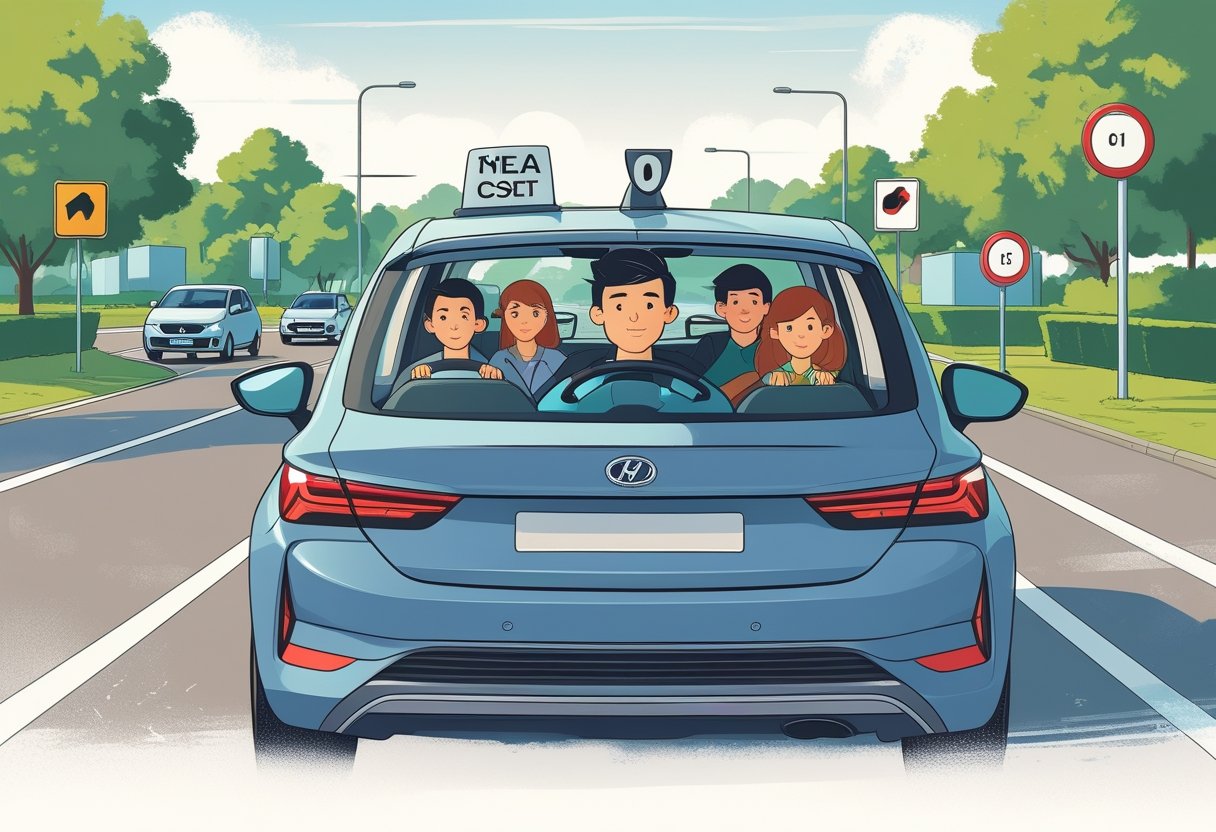
That said, having the legal right to do something doesn’t always mean it’s the wisest choice straight away. We know how exciting it feels to finally drive independently, but those first few months on the road come with unique challenges that every new driver faces. Your mates might be keen for lifts, but understanding how to manage passenger safety, distractions, and your own confidence levels can make all the difference between enjoyable journeys and stressful situations.
Throughout this guide, we’ll walk you through everything you need to know about driving with passengers as a newly qualified driver. From understanding penalty points and insurance implications to handling peer pressure and staying safe, we’ve got practical advice to help you navigate this exciting new chapter of your driving journey with confidence.
Passenger Laws for New Drivers in the UK
Currently, new drivers in the UK face no specific legal restrictions on carrying passengers once they pass their test. However, proposed changes could introduce passenger limitations for drivers under 25, particularly targeting peer-age passengers during the first six to twelve months after passing.
Are New Drivers Allowed to Carry Passengers?
Yes, new drivers can legally carry passengers immediately after passing their driving test. There are no current statutory restrictions preventing newly qualified drivers from giving lifts to friends or family members.
The moment you receive your full driving licence, you have the same passenger rights as any experienced driver. This means you can carry as many passengers as your vehicle legally allows, regardless of their age.
However, we’re seeing growing pressure from road safety organisations for change. The AA has called for restrictions on young drivers carrying similar-aged passengers, citing safety concerns about peer pressure and distraction.
Current reality:
- Full passenger privileges start immediately after passing
- No age restrictions on passengers you can carry
- Same rules apply whether you’re 17 or 70
The government is actively considering a graduated driving licence system that could change these freedoms significantly.
Legal Age Restrictions on Passengers
At present, UK law contains no age-based passenger restrictions for new drivers. Once you hold a full licence, you can transport passengers of any age without legal limitations.
This differs from many other countries where graduated licensing systems restrict young passengers. Countries like New Zealand and Australia have successfully implemented such measures with positive safety outcomes.
Proposed changes under consideration:
- Ban on similar-aged passengers for drivers under 21
- Six-month restriction period after passing
- Possible extension to all drivers under 25
Ministers are exploring these restrictions specifically to combat peer-pressure crashes. Research shows that 17-20 year old drivers are four times more likely to crash within six months of passing their test.
The proposed rules would target the highest-risk combinations: young drivers with young passengers.
Current Statutory Limitations
The only existing passenger limitations for new drivers relate to the New Drivers Act, which focuses on penalty points rather than passenger restrictions. Under this act, drivers who accumulate six or more points within two years of passing must retake their test.
Key statutory requirements:
- Valid insurance covering all passengers
- Appropriate seatbelts for each passenger
- Compliance with vehicle capacity limits
- Child car seat regulations where applicable
Vehicle insurance remains crucial when carrying passengers. We recommend checking that your policy covers passenger liability, as some new driver policies have specific exclusions.
The proposed graduated driving licence could introduce statutory passenger limits by 2026. These changes would legally prevent certain combinations of young drivers and passengers, with penalties including fines up to £200 and six penalty points.
Current enforcement focuses on general road safety rather than passenger-specific rules for new drivers.
Understanding the Impact of Penalty Points
New drivers face much stricter penalty point rules than experienced motorists, with licence revocation possible at just 6 points within two years. The consequences extend far beyond simply losing your licence, affecting everything from insurance costs to employment opportunities.
How Points Affect Licence Status
We need to be crystal clear about this: new drivers operate under completely different rules than those who’ve held their licence for more than two years. Where experienced drivers can accumulate up to 12 penalty points before facing a ban, new drivers face licence revocation at just 6 points.
This two-year probationary period starts from the moment you pass your practical test. It doesn’t matter if you’re 17 or 70 when you pass. The New Drivers Act applies to everyone equally during their first 24 months on the road.
Common ways new drivers accumulate points include:
- Speeding (3-6 points depending on severity)
- Using a mobile phone whilst driving (6 points)
- Not wearing a seatbelt (3 points)
- Careless driving (3-9 points)
- Driving without insurance (6-8 points)
The system doesn’t offer much wiggle room. Get caught speeding twice in your first two years, and you’re potentially looking at licence loss.
Revocation Procedures for New Drivers
When you hit 6 points during your probationary period, the DVLA automatically revokes your full driving licence. There’s no court hearing or appeals process for this particular action. The computer system flags your record, and your licence gets cancelled.
Here’s what happens next:
- You receive a revocation notice from the DVLA
- Your full licence becomes invalid immediately
- You cannot legally drive unaccompanied
- You must apply for a new provisional licence
- You’ll need to pay the application fee again
The revocation isn’t temporary or conditional. Your full driving privileges disappear entirely, and you’re back to square one as a learner driver. This means displaying L plates, having supervision, and following all provisional licence restrictions.
You cannot simply wait for points to expire or take a short course to get your licence back. The only route forward involves retaking both your theory and practical tests completely.
Consequences of Licence Loss
Losing your licence as a new driver creates a domino effect that extends well beyond the inconvenience of retaking tests. The financial impact alone can be substantial, with theory test fees, practical test costs, and additional lesson expenses quickly mounting up.
Insurance becomes particularly problematic. Having your licence revoked marks you as a high-risk driver in insurers’ eyes. When you eventually pass again, you’ll likely face significantly higher premiums than before. Some insurers may refuse to cover you altogether.
Employment opportunities can vanish overnight if your job requires driving. Many employers specifically ask about driving licence revocations on application forms. Even roles that don’t directly involve driving might become unavailable if commuting becomes impossible.
The emotional toll shouldn’t be underestimated either. Many new drivers describe feeling embarrassed and frustrated about returning to learner status. The independence you’ve worked hard to achieve disappears, and you’re back to depending on others for transport.
Planning around this possibility makes sense. Consider how you’d manage work, social commitments, and daily life without driving privileges. Having a backup plan reduces stress if the worst happens.
Insurance Considerations When Carrying Passengers
Your insurance policy might have specific rules about passengers that could catch you off guard. Some insurers place age restrictions on passengers for new drivers, whilst others may require additional cover for certain situations.
New Driver Insurance Limitations
Many insurance companies treat new drivers differently when it comes to passengers. We’ve seen policies that restrict drivers under 25 from carrying passengers of similar ages, especially during late-night hours.
Some new driver insurance policies include automatic restrictions. These might limit the number of passengers you can carry or set specific age limits. Young drivers often face stricter terms because statistics show higher accident rates when peers are in the vehicle.
Common new driver restrictions include:
- Age limits on passengers (often under 21 or 25)
- Time-based restrictions (no passengers between midnight and 6am)
- Maximum passenger limits
- Exclusions for certain types of journeys
Check your certificate of motor insurance carefully. These restrictions aren’t always obvious in the main policy documents.
Checking Your Policy’s Passenger Terms
Your insurance policy contains specific terms about passengers that you need to understand before giving anyone a lift. We recommend reading through your policy documents thoroughly, as passenger restrictions can vary dramatically between insurers.
Look for sections labelled ‘restrictions’, ‘limitations’, or ‘conditions’. Some policies use confusing language, so don’t hesitate to ring your insurer directly if anything seems unclear.
Key areas to check:
- Passenger age limits – Some policies exclude cover for passengers under certain ages
- Number restrictions – Maximum passengers allowed in your vehicle
- Time limitations – Restrictions on when you can carry passengers
- Journey types – Different rules for social vs business travel
Keep these documents easily accessible. You’ll want to reference them before making decisions about giving lifts to friends or family members.
The Role of Insurance in Legal Compliance
Valid insurance cover is legally required when carrying passengers, and your policy terms become part of your legal obligations. If you breach passenger restrictions in your policy, you could be driving without valid insurance, which carries serious penalties.
Breaking insurance terms doesn’t just void your cover. You could face prosecution for driving without insurance, even if you thought you were covered. The penalties include six penalty points, unlimited fines, and possible disqualification.
We’ve seen cases where drivers faced legal action after accidents because they violated passenger restrictions. The consequences extend beyond immediate penalties too.
Legal implications include:
- Automatic invalidation of your insurance
- Personal liability for all accident costs
- Difficulty obtaining future insurance
- Potential criminal prosecution
Remember, ignorance of your policy terms isn’t a valid legal defence. Take time to understand exactly what your cover includes before you start giving lifts to anyone.
Dealing with Distractions, Peer Pressure, and Passenger Safety
Carrying passengers brings unique challenges that every new driver needs to master. Understanding how to manage distractions, establish clear boundaries with mates, and keep younger passengers safe will help you stay confident behind the wheel.
Managing Distractions on the Road
Passengers can easily pull your attention away from driving, especially when you’re still building confidence on the road. Loud conversations, sudden movements, and mobile phone notifications from your passengers create serious safety risks.
We recommend establishing ground rules before you start the engine. Let your passengers know that driving safely comes first, and they need to keep noise levels reasonable.
Common passenger distractions include:
- Loud music or constant radio channel switching
- Arguments or heated discussions
- Passengers reaching across you or blocking mirrors
- Phone calls or notifications from passenger devices
- Sudden movements or gesturing
If someone becomes disruptive, pull over safely when possible. Don’t try to manage difficult passengers whilst driving.
Young drivers face particular challenges because passengers often don’t realise how much concentration driving requires. Your focus needs to stay on the road, traffic signals, and other vehicles.
Research shows that newly qualified drivers are four times more likely to crash when carrying passengers of similar age compared to driving alone. This statistic highlights why managing distractions becomes so crucial for your safety.
How to Set Boundaries with Friends
Setting boundaries with mates might feel awkward at first, but it’s essential for everyone’s safety. Your car means your rules, and good friends will respect this.
Start conversations about car rules before you pick anyone up. Explain that you need to concentrate whilst driving and ask for their support.
Effective boundary-setting strategies:
- “I’m still learning, so I need everyone to stay calm”
- “No loud music or shouting whilst I’m driving”
- “Please don’t distract me at junctions or roundabouts”
- “If you need to make a call, wait until we stop”
Peer pressure often encourages risky driving behaviours like speeding or showing off. New drivers frequently feel pressured to drive faster or take risks to impress passengers.
Remember that you’re responsible for everyone in your vehicle. If friends pressure you to drive dangerously, they’re not being good mates.
Don’t hesitate to say no to requests that make you uncomfortable. Whether it’s driving faster, taking risky shortcuts, or fitting too many people in your car, your safety judgement matters most.
Practice phrases like “I’m not comfortable with that” or “Let’s stick to safe driving.” Confident responses help establish respect for your decisions.
Responsibility for Child Passengers
Carrying children requires extra attention to safety equipment and behaviour management. You’re legally responsible for ensuring all child passengers use appropriate restraints.
Children under 12 years old (or under 135cm tall) must use proper car seats or booster seats. Always double-check that restraints are correctly fitted before setting off.
Child passenger safety checklist:
- Correct car seat for age and weight
- Seatbelts properly positioned across chest and lap
- Child locks activated on rear doors
- No loose toys or objects that could become dangerous
Young passengers can be particularly distracting because they move around, ask questions, or become upset during journeys. Plan stops for longer trips so children can stretch and use facilities.
If a child becomes very disruptive, find a safe place to pull over. Never try to sort out problems whilst driving, even if the child is crying or having a tantrum.
Consider your experience level before offering to transport children. New drivers might want to gain more confidence before taking responsibility for young passengers, especially on longer journeys or unfamiliar routes.
Always inform parents about your driving experience honestly. Most parents appreciate transparency and may choose to travel with you initially.
Proposed and Regional Changes to Passenger Rules
The UK is considering major changes to passenger restrictions for new drivers, with a graduated driving licence system gaining support from safety experts. Northern Ireland already operates under different rules, whilst future legislation could introduce passenger bans for drivers under 21.
The Graduated Driving Licence System Explained
A graduated driving licence system would transform how we approach new driver restrictions in the UK. The AA and safety organisations are pushing for rules that would ban drivers under 21 from carrying passengers of similar age for six months after passing their test.
This system works in stages. First-time drivers would face the strictest limits during their initial months on the road. After six months, some restrictions would lift gradually.
The proposal specifically targets high-risk situations. Night driving, carrying multiple young passengers, and driving on rural roads create dangerous combinations for inexperienced drivers.
Key features of the proposed system:
- 6-month passenger ban for under-21 drivers
- Restrictions on night-time driving between midnight and 5am
- Possible extension to 12 months for all new drivers under 25
- Technology monitoring through telematics devices
Research shows drivers aged 17-20 are four times more likely to crash within six months of passing. The graduated approach mirrors successful systems in Canada and New Zealand, where similar rules cut new driver accidents by over 20%.
How Northern Ireland Differs
Northern Ireland already operates under slightly different driving regulations compared to England, Scotland, and Wales. These differences give us insight into how regional variations might develop across the UK.
Currently, Northern Ireland follows the same basic passenger rules as the rest of the UK. However, their licensing authority has shown more openness to graduated systems in recent consultations.
The region has piloted different approaches to new driver education. Their focus on rural road safety reflects the higher accident rates on country lanes, where many serious crashes involving young drivers occur.
Northern Ireland’s unique factors:
- Higher proportion of rural driving during training
- Different insurance market conditions
- Separate consultations on graduated licensing
- Cross-border considerations with the Republic of Ireland
These regional differences help shape national policy. What works in Northern Ireland’s rural areas might not suit urban centres like London or Manchester.
Potential Future Legislation Updates
Parliament is actively reviewing new driver safety measures, with changes possibly arriving by late 2025 or early 2026. We’re seeing strong political support for graduated driving licences across party lines.
The Department for Transport has launched consultations on passenger restrictions. Their focus includes both learner drivers and newly qualified drivers under 21.
Timeline for potential changes:
- 2025: Consultation period continues
- 2025-2026: Possible legislation introduction
- 2026: Implementation of new rules
Future updates might include mandatory telematics for all new drivers. These black box systems would monitor speed, braking, and cornering habits during the restricted period.
The government aims to reduce new driver accidents by 30% before 2030. Passenger restrictions form a key part of this strategy, alongside improved training standards and technology integration.
We expect the final rules to balance safety concerns with practical needs. Young drivers in rural areas might face different restrictions than those in cities with good public transport links.
Tips for Safe and Confident Driving with Passengers
Taking passengers for the first time can feel quite different from driving solo or with your instructor. Building confidence gradually and taking the right approach will help you handle these situations safely whilst developing essential skills for the road ahead.
Building Confidence After Your Test
We know that driving with passengers feels completely different from your lessons with an instructor. Your passengers might chat, play music, or move around in ways that can catch you off guard.
Start with trusted passengers first. Choose family members or close friends who understand you’re still building confidence. They’re more likely to stay calm and supportive during your early passenger experiences.
Set clear expectations before you start driving. Let your passengers know you need to concentrate, especially during tricky manoeuvres or busy roads. Most people will respect this and help create a calmer environment.
Keep initial journeys short and familiar. Stick to routes you know well for your first few passenger trips. This removes the stress of navigation and lets you focus on managing distractions.
Remember that you’re responsible for everyone’s safety in your vehicle. Don’t let passengers pressure you into driving faster or taking risks you’re not comfortable with.
Planning Your First Trips
Choose quiet times and familiar routes for your initial passenger journeys. Avoid rush hour traffic or busy weekend periods when roads are more challenging.
Plan your route in advance so you’re not relying on passengers for directions. Use a sat nav if needed, but set it up before you start driving.
Avoid night driving initially, particularly between midnight and 6am when collision risks are highest for new drivers. Build your confidence during daylight hours first.
Start with one passenger before taking multiple people. Each additional person adds potential distractions and changes the car’s handling slightly.
Pick destinations you’ve driven to before rather than exploring new areas. This lets you concentrate on passenger management rather than finding your way.
Make sure everyone understands they must wear seatbelts throughout the entire journey. This is your responsibility as the driver, and it’s non-negotiable.
Taking Extra Training and Support
Consider Pass Plus training to build specific skills for passenger situations. This additional training covers motorway driving, night driving, and handling different road conditions that you might encounter with passengers.
Many insurance companies offer discounts for completing Pass Plus, which helps offset the training costs whilst improving your skills.
Practice with an experienced driver first if possible. Having a qualified driver accompany your first passenger trips can provide reassurance and guidance.
Join online communities for new drivers where you can ask questions and get advice from others who’ve recently passed their test. Learning from others’ experiences helps build confidence.
Take refresher lessons if you feel uncertain about any aspect of driving with passengers. There’s no shame in getting professional guidance to ensure you’re driving safely and confidently.
Remember the New Drivers Act means you’ll lose your licence if you accumulate six penalty points within two years of passing. Taking extra care with passengers helps protect your licence and everyone’s safety.
Frequently Asked Questions
New drivers often worry about their responsibilities when carrying passengers and want practical guidance for staying safe. These questions address the most common concerns about passenger limits, handling distractions, and building confidence behind the wheel.
What steps should I take to feel comfortable driving with friends after I’ve just passed my test?
Start with short, familiar journeys during daylight hours when you’re alert and focused. We recommend taking just one passenger initially, preferably someone calm who won’t pressure you to drive differently.
Practice basic routes you know well before attempting longer trips. This builds your confidence gradually whilst you adjust to having someone else in the car.
Choose passengers who understand you’re still developing your skills. Let them know you need to concentrate and might drive more cautiously than experienced drivers.
Consider a few solo drives first to get comfortable with your new freedom. Once you feel confident handling the car independently, adding passengers becomes much less stressful.
Are there any restrictions on how many people I can have in the car as a new driver?
No legal limits exist on passenger numbers for new drivers in the UK. You can carry as many people as your car has seatbelts for, regardless of how recently you passed your test.
However, the New Drivers Act means you’ll lose your licence if you get six penalty points within two years. Carrying too many passengers increases your risk of accidents and potential penalties.
Some insurance policies may have restrictions on young or new drivers carrying multiple passengers. Check your specific policy terms before loading up the car with mates.
We strongly advise limiting passengers initially. More people means more distractions, making it harder to focus on developing your driving skills safely.
As a freshly minted driver, what should I be aware of when driving with passengers at night?
Night driving poses the highest risk for new drivers, especially between midnight and 6am. Avoid these hours unless absolutely necessary, particularly with passengers aboard.
Your night vision and hazard perception skills need time to develop. Adding passenger conversations and potential distractions makes challenging conditions even trickier.
Ensure all passengers wear seatbelts throughout the journey. You’re responsible for their safety, and this responsibility feels weightier in darkness when visibility is reduced.
Keep speeds lower than you might during daytime. Many serious accidents happen because new drivers lose control, particularly on bends where visibility is limited.
Plan your route carefully and avoid unfamiliar roads. Stick to well-lit main roads where possible, and never let passengers encourage risky overtaking or speeding.
Can my pals take the wheel if I’m tired, even though I’ve only recently passed my driving exam?
Your friends can only drive if they hold valid full driving licences and are covered by insurance for that specific vehicle. Being tired doesn’t change these legal requirements.
Check your insurance policy carefully. Many new driver policies restrict who else can drive the car, particularly if alternative drivers are young or inexperienced.
Never let unlicensed friends drive, even in emergencies. The legal consequences are severe, including potential prosecution for allowing uninsured driving.
If you’re too tired to drive safely, consider public transport, taxis, or calling someone with proper licensing and insurance. Fatigue impairs your judgement, but breaking the law isn’t the answer.
Always verify that any alternative driver understands the car’s controls and feels confident driving it. Different cars handle differently, even for experienced drivers.
What’s the best way to handle distractions from passengers while I’m driving?
Speak up confidently before starting your journey. Tell passengers you need to concentrate and ask them to keep conversations calm and volume levels reasonable.
Don’t feel embarrassed about asking friends to quieten down or stop certain behaviours. You’re responsible for everyone’s safety, and good mates will respect this.
Pull over safely if distractions become overwhelming. It’s better to stop and address issues than risk an accident trying to manage everything whilst driving.
Avoid letting passengers control music, air conditioning, or other car functions. These tasks should remain with you as the driver, reducing confusion and maintaining control.
Set your phone to silent and ask passengers to handle any important calls. Never let peer pressure convince you to use your phone whilst driving.
How long should I wait before embarking on a road trip with a group of friends, considering I’m new to driving?
Wait at least three to six months after passing your test before attempting long journeys with multiple passengers. This gives you time to build essential experience and confidence.
Start with shorter trips of 30-60 minutes before progressing to longer distances. Each successful journey builds your skills and helps you understand your limits.
Consider your total driving experience, not just time since passing. If you had extensive practice before your test, you might feel ready sooner than someone with minimal experience.
Plan your first longer trips carefully. Choose familiar destinations, avoid peak traffic times, and ensure you’re well-rested before setting off.
Take regular breaks every two hours, even if you feel fine. Fatigue affects new drivers more quickly, and passenger chatter can be mentally tiring over long distances.