

Support Networks for Anxious Learner Drivers: Building Confidence Behind the Wheel
Learning to drive can feel overwhelming when anxiety gets in the way. Many learners experience sweaty palms, racing hearts, and worried thoughts that make focusing on the road seem impossible. The good news? You’re definitely not alone in feeling this way, and there are proven ways to work through these challenges.
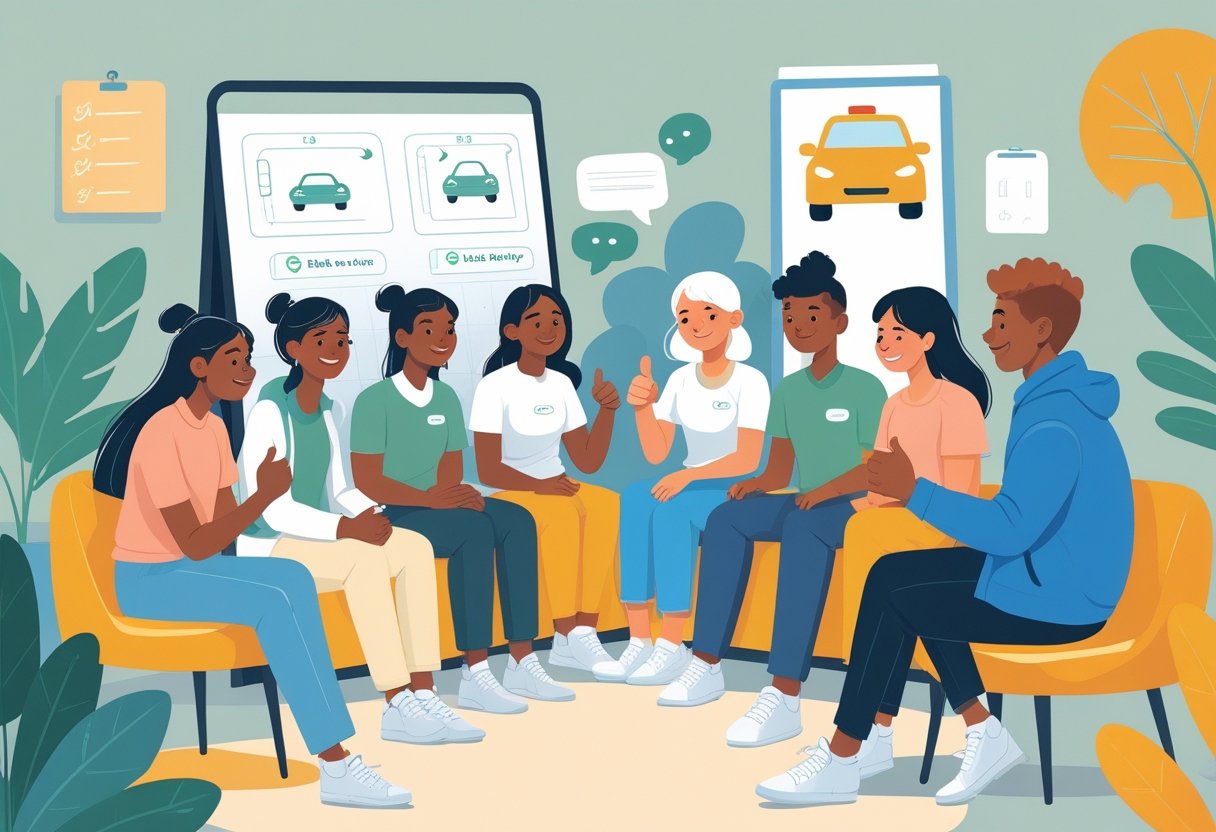
Having the right support network makes all the difference between struggling through lessons and actually enjoying your journey to becoming a confident driver. We’ve seen countless anxious learners transform their driving experience when they connect with understanding instructors, helpful tools, and effective techniques designed specifically for nervous drivers.
Throughout this guide, we’ll explore how to recognise driving anxiety, find instructors who specialise in supporting nervous learners, and discover practical strategies that help calm your nerves both during lessons and on test day. Whether you’re just starting your driving journey or you’ve been putting off lessons because of anxiety, the right support can help you build genuine confidence behind the wheel.
Understanding Anxiety in Learner Drivers

Driving anxiety affects millions of learner drivers across the UK, creating unique challenges that go far beyond simply learning the mechanics of operating a vehicle. We’ll explore the root causes of these fears, how to recognise the warning signs, and why each nervous driver’s experience deserves understanding and patience.
Why Driving Can Cause Anxiety
Learning to drive represents one of life’s biggest leaps toward independence. Yet for many learner drivers, this milestone feels more like a mountain to climb than a bridge to cross.
The brain’s alarm system kicks into high gear when we’re behind the wheel. Our amygdala, the brain’s threat detection centre, can mistake normal driving situations for genuine danger. Heavy traffic, roundabouts, or even a simple gear change might trigger our fight-or-flight response.
Fear of judgement weighs heavily on nervous drivers. Many worry about:
- Holding up traffic behind them
- Making mistakes in front of their instructor
- Being honked at by impatient motorists
- Failing their driving test
Past experiences often fuel driving anxiety. Perhaps you’ve witnessed a car accident, had a frightening experience as a passenger, or heard scary driving stories from friends and family.
The responsibility factor can feel overwhelming. New drivers suddenly realise they’re controlling a powerful machine that could potentially harm themselves or others. This awareness, whilst important for safety, can create intense pressure for anxious learners.
The unpredictability of roads adds another layer of stress. Unlike controlled environments, driving involves countless variables: weather conditions, other drivers’ behaviour, pedestrians, and unexpected situations that require split-second decisions.
Common Signs of Driving Anxiety
Recognising driving anxiety symptoms helps us address them before they become overwhelming barriers to learning. Physical symptoms often appear first and can be quite noticeable.
Physical responses include:
- Sweating palms or excessive perspiration
- Rapid heartbeat or chest tightness
- Shallow, quick breathing
- Muscle tension, especially in shoulders and neck
- Trembling hands or legs
- Nausea or stomach butterflies
Mental symptoms can be equally challenging. Racing thoughts, inability to concentrate, or your mind going completely blank during lessons are common experiences. Some learner drivers report feeling detached from their surroundings or experiencing tunnel vision.
Behavioural changes often follow physical and mental symptoms. You might find yourself:
- Cancelling or postponing driving lessons repeatedly
- Avoiding certain routes or driving conditions
- Gripping the steering wheel too tightly
- Speaking very little during lessons
- Making more mistakes than usual due to nerves
Sleep disruption frequently affects anxious learners, especially before lessons or tests. Driving test nerves can start weeks before the actual exam, causing restless nights and increased worry.
Some nervous drivers experience panic attacks whilst learning. These intense episodes involve overwhelming fear combined with physical symptoms that can feel frightening but are generally harmless.
The Unique Journey of Nervous Drivers
Every anxious learner driver follows their own path to confidence. We’ve discovered that rushing nervous drivers rarely works, and patience becomes the most valuable tool in their learning toolkit.
Progress looks different for anxious learners. Whilst some students master parallel parking in two lessons, nervous drivers might need six or seven attempts. This doesn’t indicate lack of ability, just a different learning pace that deserves respect.
Good days and bad days happen more frequently with driving anxiety. A nervous driver might handle busy roads brilliantly on Tuesday, then struggle with a simple junction on Wednesday. These fluctuations are completely normal and part of the journey.
Breakthrough moments often come unexpectedly. Many anxious learners report sudden shifts in confidence, sometimes during their most challenging lessons. These victories feel extra sweet because of the effort required to achieve them.
Support needs vary widely among nervous drivers. Some benefit from extra practice in quiet car parks, whilst others prefer diving straight into busier roads to build confidence quickly. Finding the right approach takes time and experimentation.
The relationship between anxious learners and their instructors becomes especially important. Trust, patience, and understanding create the foundation for successful learning. Many nervous drivers flourish when they feel genuinely supported rather than rushed through their lessons.
Celebrating small wins transforms the learning experience for anxious drivers. Successfully navigating their first roundabout or completing a lesson without stalling deserves recognition and praise.
How Support Networks Help Anxious Learners Succeed
Strong support networks create the foundation for anxious learners to transform their fears into confidence behind the wheel. The right combination of emotional backing, professional guidance, and shared experiences helps nervous drivers break through mental barriers that often hold them back.
Emotional Support from Friends and Family
When we’re learning to drive, the encouragement from loved ones makes all the difference. Family members and friends provide the emotional safety net that anxious learners desperately need during challenging moments.
The power of reassurance cannot be overstated. Simple phrases like “you’ve got this” or “take your time” from trusted people help calm racing hearts and worried minds. This emotional backing creates a buffer against the harsh self-criticism that anxious learners often face.
Practice sessions with family members offer a low-pressure environment to build skills. Parents, siblings, or partners can help reinforce what’s been learnt with the driving instructor. These relaxed sessions allow learners to make mistakes without fear of judgement.
Key ways family and friends help:
- Offer regular encouragement and celebrate small wins
- Provide additional practice opportunities in familiar cars
- Listen to concerns without dismissing fears
- Share their own learning experiences and challenges
The emotional stability that comes from knowing people believe in you creates the mental space needed for learning. When anxiety levels drop, concentration improves and skills develop more naturally.
The Role of Experienced Instructors
Professional driving instructors who understand anxiety can transform a learner’s entire experience. We’ve seen how the right instructor makes nervous drivers feel safe, supported, and genuinely capable of success.
Specialised techniques make the biggest impact. Experienced instructors know how to adjust their teaching style for anxious personalities. They might slow down explanations, use calming voice techniques, or incorporate confidence-building exercises into lessons.
Many instructors now offer nervous drivers calming kits that include breathing exercises, positive affirmations, and practical tools for managing stress. These resources give learners concrete strategies to use both during lessons and independent practice.
What quality instructors provide:
- Patient guidance without rushing or pressuring
- Clear communication about what to expect in each lesson
- Flexible lesson plans that adapt to the learner’s emotional state
- Regular feedback that focuses on progress rather than mistakes
The instructor-student relationship becomes a cornerstone of confidence building. When learners trust their instructor completely, they’re more willing to step outside their comfort zones and tackle challenging driving scenarios.
Peer Communities and Shared Experiences
Connecting with other learner drivers creates powerful bonds that reduce isolation and normalise the learning process. We find that anxious learners often feel like they’re the only ones struggling, but peer support proves otherwise.
Online forums and local groups provide safe spaces to share fears, ask questions, and celebrate progress. Hearing that others face similar challenges with roundabouts, parallel parking, or test anxiety makes personal struggles feel less overwhelming.
Shared learning experiences create accountability partners. Study groups for theory tests, practice sessions together, or simply chatting about lessons helps maintain motivation during difficult periods. These connections often last well beyond the learning phase.
Benefits of peer support:
- Reduces feelings of isolation and embarrassment
- Provides practical tips from people in similar situations
- Creates friendly competition that motivates progress
- Offers different perspectives on common challenges
Real stories from other nervous drivers who’ve succeeded provide tangible proof that anxiety doesn’t have to be a permanent barrier. These connections remind learners that support networks extend far beyond family and instructors, creating a community of people who genuinely understand the journey.
Choosing the Right Driving Instructor for Anxious Drivers
The perfect instructor makes all the difference between feeling overwhelmed and building genuine confidence behind the wheel. We’ll explore the essential qualities that transform nervous energy into steady progress and practical skills.
Qualities to Look For
Patience sits at the heart of excellent instruction for anxious learners. The best instructors never rush through lessons or show frustration when you need extra time to master a skill.
Look for someone who speaks calmly and clearly. They should explain things in simple terms without using confusing jargon. You’ll know you’ve found the right person when they make complex manoeuvres feel manageable.
Experience with nervous drivers matters enormously. Ask potential instructors directly about their work with anxious students. Many specialise in this area and have specific training in stress management techniques.
Check if they offer trial lessons. This gives you a feel for their teaching style without committing to a full course. The right instructor will make you feel comfortable from your first meeting.
Some instructors have additional qualifications in coaching or anxiety management. These skills help them support your emotional journey alongside your practical learning.
Open Communication and Trust
Building trust starts with honest conversations about your specific worries. A skilled instructor will ask about your concerns before your first lesson and listen without judgement.
They should encourage questions throughout your learning. No question is too basic or silly. The best instructors create safe spaces where you can express fears openly.
Regular feedback works both ways. Your instructor should celebrate your progress and explain areas for improvement gently. You should also feel comfortable sharing how lessons make you feel.
Trust develops when instructors keep their promises. If they say they’ll go slowly, they should stick to that. If they promise not to take you on busy roads until you’re ready, they must honour that commitment.
Communication extends to practical matters too. Clear explanations about lesson plans, costs, and test preparation help reduce unnecessary anxiety about the learning process.
Tailoring Lessons to Individual Needs
Every anxious driver has different triggers and learning speeds. Excellent instructors recognise this and adapt their approach accordingly. Some students need extra time in car parks, whilst others benefit from gradual exposure to challenging situations.
Flexible lesson structures work wonders for confidence building. Your instructor might spend longer on areas that worry you most. They could break complex skills into smaller, more manageable steps.
The best instructors use various teaching methods. Some learners respond well to visual demonstrations, others prefer hands-on practice. Coaching techniques help identify which approaches suit your learning style.
Personalised preparation makes a huge difference. This might include breathing exercises before lessons, specific routes that build confidence gradually, or extra practice on skills that feel particularly challenging.
Your instructor should adjust their communication style too. Some students need quiet encouragement, whilst others benefit from more detailed explanations of what’s happening around them.
Techniques and Tools for Calming Driving Nerves
Learning how to manage your nerves behind the wheel takes practice, but there are proven methods that really work. Simple breathing exercises, positive thinking patterns, and professional resources can transform your driving experience from stressful to confident.
Breathing and Mindfulness Exercises
Deep breathing is one of the quickest ways we can calm our nervous system when anxiety strikes. The 4-7-8 technique works brilliantly: breathe in for 4 counts, hold for 7, then exhale slowly for 8 counts.
This simple pattern helps slow your heart rate and clear your mind. You can practice this before getting in the car or even at traffic lights.
Mindfulness brings your attention back to the present moment instead of worrying about what might go wrong. Try focusing on what you can actually see, hear, and feel right now.
Notice the texture of the steering wheel or the sound of the engine. This grounds you in reality rather than anxious thoughts.
Progressive muscle relaxation works wonders too. Tense and release different muscle groups, starting with your shoulders and working down to your feet. Many learners find this particularly helpful before lessons.
Positive Self-Talk and Imagery
The conversations we have with ourselves matter enormously. Instead of thinking “I’ll definitely stall at the roundabout,” try “I’ve practised this manoeuvre and I’m getting better each time.”
Self-talk shapes how we feel and perform. Replace harsh criticism with encouraging, realistic statements. “I’m learning” is far more helpful than “I’m rubbish at this.”
Imagery techniques involve visualising successful driving scenarios in your mind. Picture yourself smoothly navigating that tricky junction or calmly parking between two cars.
Professional athletes use this method because it actually helps train your brain for success. Spend a few minutes each day imagining yourself driving confidently and competently.
Some learners create a mental “highlight reel” of their best driving moments. When nerves kick in, they replay these positive memories to boost their confidence.
Resources like Calming Kits and Coaching
Professional support can make a tremendous difference when self-help techniques aren’t quite enough. Nervous drivers calming kits offer structured programmes with video guides, relaxation exercises, and step-by-step stress management techniques.
These kits typically include hypnotherapy sessions designed specifically for driving anxiety. The guided relaxation helps reprogram your subconscious responses to driving situations.
Coaching provides personalised support tailored to your specific concerns. One-to-one sessions help identify the root causes of your anxiety and develop targeted strategies.
Many coaching programmes include:
- Personalised anxiety reports
- Customised relaxation techniques
- Practical coping strategies
- Ongoing support throughout your learning journey
Online courses covering topics like attention, memory, and test preparation give you tools to tackle different aspects of driving anxiety. The combination of professional guidance and practical techniques creates a comprehensive support system for nervous learners.
Practical Support Strategies During Lessons
The right teaching approach can transform anxious moments behind the wheel into opportunities for genuine confidence building. Breaking complex skills into manageable chunks, introducing challenges gradually, and recognising every achievement helps nervous learners develop both competence and self-belief.
Breaking Down Skills Step by Step
We’ve found that overwhelming anxious learners with too much information at once creates unnecessary stress and confusion. Instead, we break each driving skill into smaller, digestible pieces that feel achievable.
Clutch control, for example, becomes much less daunting when we teach it in stages. First, we focus purely on finding the biting point with the engine off. Next, we practise holding that position with the engine running. Only then do we add moving forward slowly.
Complex manoeuvres like parallel parking work brilliantly when divided into clear steps:
- Step 1: Position alongside the reference car
- Step 2: Reverse until the wing mirror aligns
- Step 3: Turn the steering wheel fully
- Step 4: Straighten up when the car appears in the rear window
We always explain the ‘why’ behind each step. When learners understand the reasoning, they feel more confident making decisions independently. This approach builds genuine understanding rather than just following instructions.
Patience is absolutely crucial during this process. We give learners plenty of time to master each component before moving on. Rushing creates anxiety and undermines the entire learning experience.
Using Mock Tests and Gradual Exposure
Mock tests serve as powerful confidence builders when introduced thoughtfully and at the right moment. We start with partial mock tests covering just 10-15 minutes of driving test scenarios before progressing to full 40-minute sessions.
Gradual exposure works wonders for managing anxiety levels. We begin mock tests on familiar routes where learners feel comfortable. This allows them to focus on test procedures rather than worrying about unknown roads.
During these practice sessions, we replicate real test conditions as closely as possible. We sit quietly, give standard examiner instructions, and use the same tone an actual examiner would employ.
Stress management techniques become part of our mock test routine:
- Deep breathing exercises before starting
- Positive self-talk during challenging moments
- Brief breaks if anxiety levels spike
- Immediate feedback focusing on successes first
We gradually introduce more challenging scenarios like busy roundabouts, complex junctions, and unfamiliar areas. Each exposure builds resilience and familiarity with test-day feelings.
The key lies in timing these experiences perfectly. Too early, and we risk overwhelming nervous learners. Too late, and they miss valuable practice opportunities that build genuine confidence.
Celebrating Progress and Small Wins
Recognition of achievement, no matter how small, transforms a learner’s driving mindset from fear-based to growth-focused. We make celebrating progress an integral part of every lesson.
Immediate praise works brilliantly for anxious learners. When someone successfully navigates their first roundabout or masters a tricky gear change, we acknowledge it straight away. This positive reinforcement builds momentum and motivation.
We keep detailed progress records that highlight improvements over time. Showing learners how far they’ve travelled on their journey helps combat the negative self-talk that anxiety often brings.
Small wins deserve genuine celebration:
- Successfully checking mirrors without prompting
- Smooth hill starts after weeks of practice
- Confident decision-making at junctions
- Staying calm during unexpected situations
Written progress summaries work particularly well. We give learners something tangible to take home, reinforcing their achievements between driving lessons. These records become powerful reminders during moments of self-doubt.
Building confidence requires consistency in our approach. Every lesson should end with at least three specific things the learner did well, creating positive associations with driving experiences.
We also encourage learners to share their successes with family and friends. External validation strengthens internal confidence and creates supportive networks beyond our lessons.
Building Confidence and a Calm Mindset for the Test
Test day nerves can transform even the most skilled learner drivers into bundle of anxieties, but we can tackle these feelings head-on with proven strategies. By addressing our fear of failure, practicing positive visualisation techniques, and learning to view mistakes as stepping stones rather than roadblocks, we’ll develop the unshakeable driving confidence needed for success.
Tackling Fear of Failure
Fear of failure often becomes the biggest obstacle between us and our driving licence. This anxiety creates a vicious cycle where we worry so much about failing that our performance actually suffers on test day.
We can break this cycle by shifting our perspective. Instead of viewing the test as a make-or-break moment, let’s see it as one attempt amongst many possible chances. Most successful drivers didn’t pass first time, and that’s perfectly normal.
Practical steps to reduce fear of failure:
• Challenge negative thoughts – When we catch ourselves thinking “I’ll definitely fail,” we can replace it with “I’m well-prepared and will do my best”
• Focus on the process, not the outcome – Concentrate on executing each manoeuvre correctly rather than worrying about the final result
• Remember our preparation – We’ve practiced extensively with our instructor, so we already possess the necessary skills
The key lies in building our driving mindset around growth rather than perfection. Every lesson, every practice session has been preparing us for this moment.
Visualising Success
Mental rehearsal is one of the most powerful tools we can use to build driving confidence. Professional athletes use visualisation techniques regularly, and we can apply the same principles to our driving test.
Effective visualisation involves creating detailed mental movies of ourselves performing perfectly during the test. We picture ourselves greeting the examiner calmly, executing smooth parallel parks, and handling roundabouts with confidence.
Here’s how to practice successful visualisation:
Before bed each night, spend 10-15 minutes imagining your perfect test:
- See yourself walking confidently to the test centre
- Feel the steering wheel in your hands as you demonstrate perfect control
- Hear the examiner’s positive feedback throughout the journey
- Experience the joy of hearing those magical words: “Congratulations, you’ve passed”
The more vivid and detailed our mental rehearsals, the more familiar and achievable success becomes. Our brains begin to treat these visualised experiences as real memories, reducing driving test anxiety when we face the actual situation.
This technique works because it programmes our subconscious mind for success rather than failure.
Turning Setbacks into Learning Opportunities
Every driving mistake contains valuable lessons that can strengthen our skills for the next attempt. When we shift our perspective from “failure” to “feedback,” setbacks become stepping stones toward becoming truly confident drivers.
If we don’t pass first time, the examiner’s feedback becomes gold dust. These specific observations show us exactly where to focus our additional practice sessions. Perhaps we need more work on observation at junctions, or maybe our reverse parking needs refinement.
Practical ways to learn from setbacks:
• Review the feedback immediately with our driving instructor whilst it’s fresh in our minds
• Practice the specific areas mentioned until they become second nature
• Book additional lessons targeting our weak spots before attempting the test again
• Celebrate the skills we demonstrated well – these prove we’re capable of success
Remember, each attempt brings us closer to our goal. Many excellent drivers took several attempts to pass, and their eventual success was sweeter because they persevered through temporary disappointments.
The most confident drivers are often those who’ve learned to view every experience, positive or challenging, as part of their journey toward mastery.
Frequently Asked Questions
New drivers often wonder about practical techniques for staying calm during lessons, finding the right instructor who understands their concerns, and preparing mentally for both practice sessions and test day. These common questions address everything from managing busy traffic situations to connecting with supportive communities.
What are the best ways to stay calm behind the wheel when I’m just starting out?
Start with simple breathing exercises that you can use right in the driver’s seat. Take slow, deep breaths through your nose and exhale gently through your mouth when you feel tension building.
Practice positive self-talk before and during your lessons. Replace thoughts like “I can’t do this” with “I’m learning something new, and that’s perfectly normal.”
Many learners find it helpful to listen to calming music or audio exercises at home between lessons. This builds familiarity with relaxation techniques you can draw upon when needed.
Focus on one skill at a time rather than worrying about everything at once. Your brain needs time to process each new element of driving.
Can you suggest strategies for overcoming fear of driving in busy traffic?
Build up gradually rather than jumping straight into heavy traffic situations. Start with quiet residential roads and slowly work your way up to busier areas as your confidence grows.
Learn to scan the road ahead rather than fixating on the car immediately in front of you. This wider view helps you anticipate what’s coming and feel more in control.
Practice specific manoeuvres in car parks or quiet areas first. When you’re confident with parallel parking or roundabouts in peaceful settings, busy traffic becomes much less overwhelming.
Remember that other drivers were once learners too. Most people are understanding and patient when they see L-plates, despite what you might worry about.
Are there recommended support groups for those of us feeling a tad nervous about learning to drive?
Online communities offer excellent support for anxious learners. Many driving schools run Facebook groups where students share experiences and encouragement.
Local driving instructor associations often know about support networks in your area. Ask your instructor about groups that meet regularly for nervous drivers.
Specialist programmes like Confident Drivers provide resources specifically designed for anxious learners. These include coaching tools, audio guides, and stress management techniques.
Some areas have dedicated support groups for drivers with specific concerns, such as those returning to driving after accidents or dealing with particular anxieties.
What’s the secret to gaining confidence for my driving test?
Thorough preparation is your best friend. Make sure you’re genuinely ready rather than rushing to book your test before you feel confident with all the manoeuvres.
Practice the test route and similar roads in your area. Familiarity with local road layouts, roundabouts, and potential parking spots reduces uncertainty on test day.
Work with your instructor on mock tests that simulate the real experience. This includes practising the independent driving section and getting comfortable with following sat nav instructions.
Develop a pre-test routine that helps you feel calm and focused. This might include specific breathing exercises, positive affirmations, or listening to particular music.
How can I find a driving instructor who understands my anxieties?
Look for instructors who specifically mention experience with nervous learners in their advertising. Many instructors specialise in working with anxious students and promote this expertise.
Ask potential instructors directly about their approach to handling driving anxiety. The right instructor will have specific strategies and won’t dismiss your concerns.
Seek recommendations from friends or family members who were nervous learners themselves. Personal referrals often lead to instructors who excel at building confidence.
Many instructors offer initial assessment lessons where you can gauge whether their teaching style suits your personality and needs.
Could you provide tips on how to prepare mentally before my first driving lesson?
Get a good night’s sleep before your lesson. Being well-rested helps your brain absorb new information and keeps anxiety levels manageable.
Eat a light meal beforehand, but avoid anything too heavy that might make you feel uncomfortable. Low blood sugar can increase nervousness.
Arrive a few minutes early to chat with your instructor and get familiar with the car. This buffer time helps you settle in rather than feeling rushed.
Set realistic expectations for your first lesson. You’re not expected to master everything immediately, and making mistakes is part of the learning process.
Remind yourself that your instructor wants you to succeed. They’re there to guide and support you, not to judge your initial abilities.
Ready to Book Driving Lessons?
LPOD Academy offers intensive driving courses across the UK. Find your nearest location: