

Test Scoring: Minor, Serious and Dangerous Faults Explained
When you step into that driving test car, every move you make gets carefully watched and marked by your examiner. Understanding the three types of driving test faults (minor, serious, and dangerous) can make the difference between walking away with your full licence or booking another test. The scoring system might seem confusing at first, but it’s actually quite straightforward once you know what examiners are looking for.
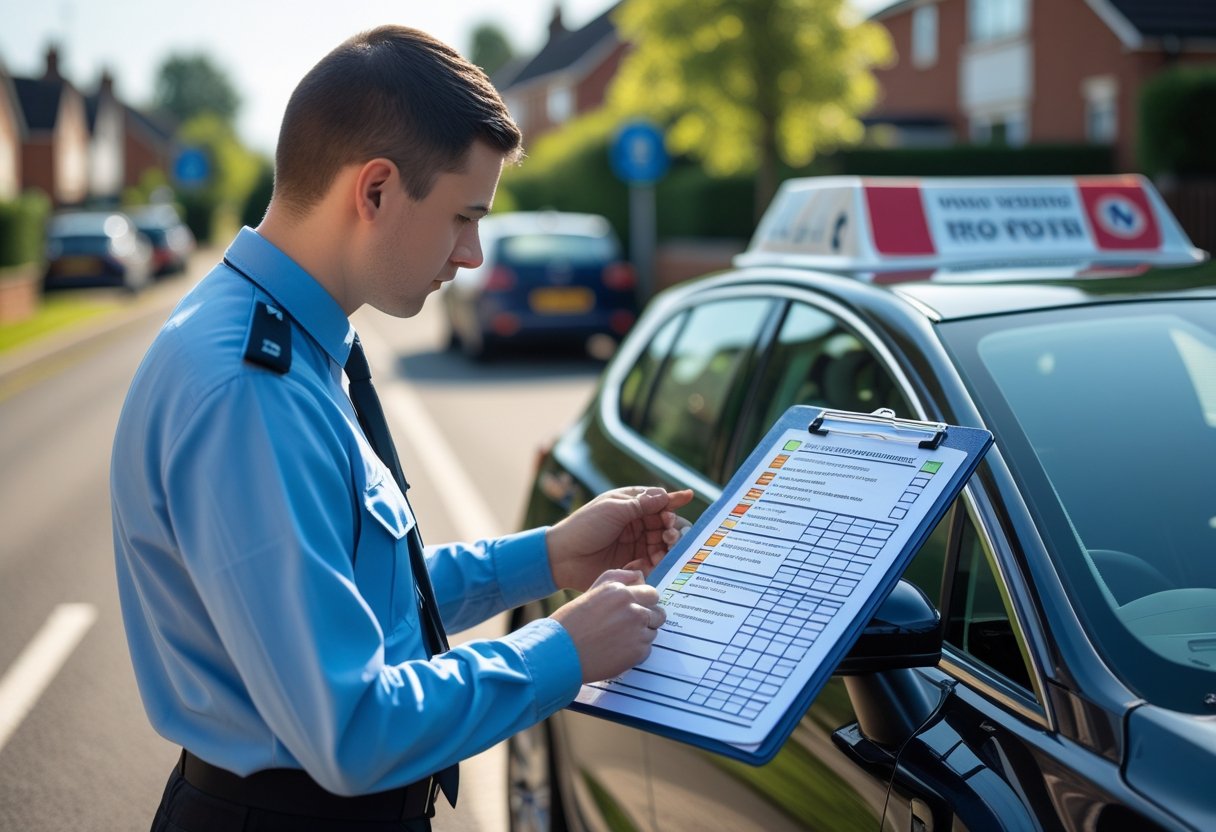
We’ve all heard stories about learner drivers who thought they’d failed completely, only to discover they’d made just a few minor mistakes and actually passed with flying colours. On the flip side, one serious error can instantly end your test dreams, even if everything else went perfectly. The key lies in recognising what separates a harmless slip-up from a genuine safety concern.
This guide will walk you through each fault category, show you the most common mistakes that trip people up, and give you practical strategies to avoid them. By the time you finish reading, you’ll feel much more confident about what to expect on test day and how to give yourself the best chance of success.
Understanding Test Fault Categories

During your driving test, examiners categorise every mistake into three distinct types, each carrying different consequences for your test result. These categories help determine whether you pass or fail based on the severity and frequency of errors made.
What Are Test Faults?
Test faults are mistakes we make during our practical driving test that examiners record on their assessment sheet. Every error gets classified into one of three categories based on how dangerous it is.
Minor faults (also called driving faults) are small mistakes that don’t put anyone in immediate danger. These might include slightly jerky steering, forgetting to check your mirrors once, or being a bit hesitant at a junction.
Serious faults involve actions that could potentially become dangerous. Examples include not checking blind spots when changing lanes or approaching a roundabout too quickly.
Dangerous faults create actual danger for you, your examiner, other road users, or property. This could mean pulling out in front of oncoming traffic or running through a red light.
The key difference between these categories lies in the level of risk each mistake creates during your test.
Importance of Fault Categorisation
Understanding fault categories helps us prepare better for our driving test and know what examiners are looking for. Each category carries different weight in determining our test result.
This system ensures driving tests remain fair and consistent across all test centres. Every examiner uses the same criteria to judge whether a mistake is minor, serious, or dangerous.
Knowing these categories also helps us focus our practice sessions. We can work harder on areas that commonly lead to serious or dangerous faults rather than worrying too much about every minor mistake.
The categorisation system reflects real-world driving risks. Minor faults represent habits we can improve over time, whilst major faults indicate skills we must master before driving independently.
This structured approach gives us clear feedback about our driving abilities and areas needing improvement.
How Faults Impact Your Driving Test Result
Your test result depends entirely on which types of faults you accumulate during your assessment. The rules are straightforward but strict.
Passing requirements:
- Maximum 15 minor faults allowed
- Zero serious faults permitted
- Zero dangerous faults permitted
Just one serious or dangerous fault means instant failure, though you’ll complete the entire test for learning purposes. We cannot pass with 16 or more minor faults, even without any major mistakes.
If we repeatedly make the same minor fault, examiners might reclassify it as a serious fault. This prevents candidates from passing whilst consistently demonstrating poor driving habits.
Understanding these rules helps reduce test anxiety. We know exactly what standards we need to meet and can focus our preparation accordingly.
Minor Faults: Recognising and Avoiding Small Mistakes
Minor faults are small driving errors that don’t put anyone in immediate danger but show areas where you need improvement. We’ll look at what counts as a minor fault, common examples you might encounter, and how to manage them during your test.
Definition of Minor Faults
Minor faults, sometimes called driving faults, are small mistakes that don’t create immediate safety risks. Think of them as gentle reminders from your examiner about areas where your driving could be smoother.
You can make up to 15 minor faults and still pass your test. However, if you repeat the same minor fault multiple times, it might get upgraded to a serious fault.
The key thing to remember is that minor faults are perfectly normal. Even experienced drivers make these small mistakes occasionally.
What makes a fault “minor”:
- No immediate danger to anyone
- Doesn’t disrupt traffic flow significantly
- Shows room for improvement rather than unsafe driving
- Can be corrected easily with practice
Your examiner marks these faults to help you become a better driver, not to catch you out.
Examples of Minor Driving Faults
We see certain minor faults pop up again and again during driving tests. Here are the most common ones you should watch out for.
Mirror and observation faults are incredibly common. This includes forgetting mirror checks before moving off, changing lanes, or turning. We also see candidates not checking mirrors frequently enough during normal driving.
Clutch and gear issues often trip up learner drivers. Stalling the car once or twice usually counts as minor faults. Selecting the wrong gear or being a bit jerky with the clutch also falls into this category.
| Common Minor Faults | What This Looks Like |
|---|---|
| Use of mirrors | Not checking before signalling or manoeuvring |
| Move off | Slight hesitation or minor stall when starting |
| Steering | Not keeping straight or smooth steering |
| Indicator signals | Forgetting to cancel or signal too late |
| Following distance | Getting slightly too close to the car ahead |
Handbrake mistakes include forgetting to apply it during longer stops or not releasing it smoothly when moving off.
Lane discipline issues might involve drifting slightly towards lane markings or not positioning your car properly at junctions.
If you wear glasses or contact lenses, forgetting to bring them is actually marked as a minor fault rather than an automatic fail.
Handling Multiple Minor Faults
Managing your nerves and concentration becomes crucial when you start picking up minor faults during your test. The good news is that a few small mistakes won’t derail your chances of passing.
Stay calm if you make a mistake. We know it’s easier said than done, but dwelling on one minor fault often leads to more errors. Take a deep breath and focus on the next bit of driving.
Don’t try to overcompensate. If you forget a mirror check, don’t suddenly start checking mirrors obsessively. Just return to your normal, safe driving routine.
The three strikes rule is important to understand. If you make the same minor fault three times, it becomes a serious fault and you’ll fail. For example, three separate instances of poor mirror use would result in failure.
Most problematic repeated faults:
- Inadequate mirror checks throughout the test
- Consistently poor following distance
- Repeated steering issues
- Multiple problems with parking accuracy
Keep your focus forward. Your examiner isn’t trying to fail you, they’re assessing whether you’re safe to drive independently. Show them you can learn from small mistakes and maintain good driving standards.
Remember that even if you pick up 10 or 12 minor faults, you can still pass comfortably. Many successful candidates finish their test with several minor marks on their sheet.
Serious Faults: Where Safety Gets Real
Serious faults mark the line between manageable mistakes and genuine safety concerns that put you, your examiner, and other road users at risk. These potentially dangerous actions result in immediate test failure and highlight areas where additional practice with your driving instructor becomes essential.
Definition of Serious Faults
A serious fault occurs when you make a driving error that has the potential to become dangerous. Unlike minor driving faults, these mistakes show a lack of proper judgement or control that could lead to an accident.
The key word here is “potentially.” You don’t need to cause actual harm for something to count as serious. If your examiner believes your action could have created danger, that’s enough for a serious fault.
Examples include:
- Poor planning that forces other drivers to brake suddenly
- Failing to give way when you should
- Not responding appropriately to traffic signals
- Inadequate mirror checks before changing lanes
The difference between serious and minor often comes down to context. Stalling at traffic lights during quiet periods might be minor. Stalling on a busy roundabout with traffic approaching could become serious.
Examples of Serious Driving Faults
We see certain serious faults appearing repeatedly on test reports. Understanding these common problem areas helps you focus your practice sessions effectively.
Junction errors top the list. Pulling out when it’s not safe, failing to observe properly, or not giving way to pedestrians at crossings all fall into this category. Your theory test knowledge becomes crucial here.
Lane discipline problems frequently catch learners off guard. Drifting between lanes, choosing the wrong lane at roundabouts, or cutting across traffic creates serious safety risks.
Speed-related issues aren’t just about going too fast. Driving significantly under speed limits can force other drivers to make dangerous overtaking moves. Not adjusting your speed for conditions shows poor hazard awareness.
Signal failures create confusion for other road users. Missing indicators, late signalling, or giving misleading signals all count as serious when they affect traffic flow or vulnerable road users like cyclists.
Consequences of a Serious Fault
One serious fault means instant test failure. There’s no negotiating or accumulating them like minor faults. Your test ends the moment you commit a potentially dangerous action.
But here’s what many learners don’t realise: you’ll continue driving until the scheduled end time. Your examiner won’t tell you about the fault during the test, so don’t assume silence means success.
The impact goes beyond just failing:
- You’ll need to book and pay for another test
- Additional lessons with your driving instructor become necessary
- Your confidence might take a knock
The positive side? Each serious fault pinpoints exactly what needs work. Your examiner’s feedback becomes a roadmap for improvement. Most learners who address these specific areas pass their next attempt.
Focus on the fundamentals: proper mirror checks, careful observation at junctions, appropriate speeds, and clear planning. These skills protect everyone on the road and demonstrate the competence examiners want to see.
Dangerous Faults: Immediate Risks and Instant Failure
Dangerous faults create immediate safety risks that put you, your examiner, pedestrians, and other road users in real danger. These faults result in instant test failure because they show actions that could cause serious accidents or require others to take emergency action to avoid harm.
Definition of Dangerous Faults
A dangerous fault happens when your driving creates an immediate and direct threat to safety. Unlike serious faults that show potential risks, dangerous faults involve actual danger happening right now.
The key difference lies in the immediacy of the threat. When you commit a dangerous fault, someone might need to brake hard, swerve, or take other emergency action to avoid an accident.
Examples of immediate danger include:
- Forcing another driver to slam on their brakes
- Making pedestrians jump out of your path
- Causing cyclists or motorcyclists to take evasive action
- Creating situations where your examiner must use dual controls
The DVSA considers these faults so serious because they mirror the exact scenarios that cause real accidents on our roads. Your examiner isn’t just testing your ability to pass a test, but whether you’re safe enough to drive independently.
Common Examples of Dangerous Faults
We’ve seen certain dangerous faults happen repeatedly during driving tests. Understanding these common mistakes helps you stay alert to the situations that catch many learners off guard.
Junction and traffic light violations top the list. Running a red light at a busy intersection creates immediate danger for crossing traffic and pedestrians. Pulling out into oncoming traffic at a junction, forcing other vehicles to brake sharply, is another frequent dangerous fault.
Pedestrian-related incidents often occur at zebra crossings. Failing to stop when someone is already crossing puts that person at immediate risk. Similarly, not giving way to pedestrians when turning left or right at junctions can create dangerous situations.
Blind spot failures frequently involve cyclists and motorcyclists. When you change lanes without proper observation and force a motorcyclist to brake hard or swerve, that’s a dangerous fault. The same applies when emerging from side roads without checking for cyclists.
Emergency stop failures show immediate danger too. When your examiner calls for an emergency stop and you don’t react quickly enough, you’re demonstrating that you can’t handle real emergency situations.
Why Dangerous Faults Lead to Test Failure
Dangerous faults result in instant failure because they show you’re not yet ready to drive safely without supervision. These actions demonstrate a lack of the fundamental safety awareness needed for independent driving.
The consequences extend beyond your test. The same behaviour on real roads could injure or kill pedestrians, cyclists, horse riders, or other drivers. Your examiner has a responsibility to ensure only safe drivers receive their licences.
The failure happens instantly because:
- You’ve created actual danger, not just potential risk
- Someone had to take emergency action because of your driving
- The situation shows you lack essential safety judgement
- The behaviour could cause serious accidents in real traffic
Traffic controllers, emergency vehicles, and vulnerable road users like horse riders all depend on drivers making safe decisions. When you commit a dangerous fault, you show you’re not yet making those crucial safety-first choices consistently.
Your examiner might even need to intervene using dual controls or verbal commands to prevent an accident. This intervention proves the immediate nature of the danger you’ve created.
Key Differences Between Minor, Serious and Dangerous Faults
Understanding how these three fault types affect your test outcome and recognising the typical scenarios for each will help you prepare more effectively and know what examiners are looking for during your practical test.
Impact on Test Outcome
The way driving test faults affect your result depends entirely on which category they fall into. Minor faults (also called driving faults) won’t automatically fail you, but there’s a limit.
You can make up to 15 minor faults and still pass your test. However, if you keep repeating the same mistake, your examiner might upgrade it to a serious fault.
Serious and dangerous faults are both considered major faults. Just one major fault means instant failure, though you’ll continue the test without knowing the result until the end.
Here’s how it breaks down:
| Fault Type | Maximum Allowed | Result if Exceeded |
|---|---|---|
| Minor/Driving faults | 15 | Test failure |
| Serious faults | 0 | Instant failure |
| Dangerous faults | 0 | Instant failure |
This system means you have some wiggle room with minor mistakes, but there’s zero tolerance for anything potentially hazardous.
Typical Scenarios for Each Fault Type
Minor faults are small errors that don’t put anyone at risk. These might include forgetting to check your mirrors once, slightly harsh braking, or hesitating at a junction when it’s safe to proceed.
Stalling the engine, minor steering adjustments, or not quite hitting the perfect speed are also common minor faults. These mistakes happen to most learners and show you’re still developing your skills.
Serious faults involve situations that could become dangerous. Examples include pulling out when there’s approaching traffic (but not causing immediate danger), or taking a corner too fast without losing control.
Not checking blind spots before changing lanes or failing to respond properly to traffic lights also count as serious faults.
Dangerous faults create actual danger for you, your examiner, other road users, or property. Think running red lights, forcing other drivers to brake suddenly, or losing control of the vehicle.
Driving on the wrong side of the road or hitting the kerb hard enough to damage the tyre would definitely be dangerous faults.
Common Mistakes in the Driving Test and How to Overcome Them
Nearly everyone makes mistakes during their driving test, but knowing which errors crop up most often can transform your performance. We’ll explore the specific faults that catch learners off guard and share practical strategies to help you steer clear of these pitfalls.
Most Frequent Test Faults
Observation at junctions ranks as the number one reason for test failures. Many learners rush their checks or miss crucial blind spots when pulling out.
We see this happen constantly at roundabouts and T-junctions. You might glance left and right but forget to check that final time before moving off.
Mirror checks cause serious problems when changing lanes or turning. Missing that vital look in your mirrors before signalling can immediately fail your test.
Poor positioning becomes dangerous quickly. This includes sitting in the wrong lane at roundabouts, hugging the kerb too closely, or drifting between lanes on dual carriageways.
Steering wheel control issues often surprise learners. Crossing your hands during tight turns or making jerky corrections can lose you marks.
These faults happen because of:
- Nerves affecting your normal routine
- Rushing through familiar procedures
- Forgetting to complete full observation sequences
- Poor planning before manoeuvres
Road signs and signals catch many people out too. Running amber lights or missing stop signs creates immediate danger.
Tips to Avoid Repeating Mistakes
Slow down your observations. Count “one, two, three” while checking each direction at junctions. This forces you to actually see what’s happening rather than just moving your head.
Create a mental checklist for every manoeuvre. Before changing lanes, we recommend: mirror check, signal, mirror check again, shoulder check, then move.
Use the parking brake during longer stops. Many learners forget this simple step, especially at traffic lights or when waiting to move off uphill.
Practice the “six-point check” religiously. Look in your mirrors, check blind spots, and scan ahead before any significant change in direction or speed.
Keep your hands at quarter to three on the steering wheel. This position gives you maximum control without the temptation to cross your hands.
Lane discipline improves with early planning. Read the road signs well ahead and position yourself in the correct lane with plenty of time.
When overtaking or approaching junctions, reduce your speed slightly. This gives you more thinking time and shows the examiner you’re assessing the situation properly.
Remember that gentle pressure on the accelerator often works better than sudden movements. Smooth inputs create smoother driving.
Essential Skills and Test Success Strategies
Building strong driving skills takes practice, patience, and the right approach to learning. Success comes from developing safe habits early, working closely with your instructor, and using proven techniques that help you stay calm under pressure.
Developing Safe Driving Habits
Strong driving skills start with mastering the basics every single day. We need to make mirror checks feel automatic, not something we remember only during lessons.
Practice checking your mirrors every few seconds. This includes the rearview mirror before braking and side mirrors before any lane changes. These habits become second nature when we do them consistently.
Key habits to develop:
- Check mirrors before every manoeuvre
- Signal early and clearly
- Maintain safe distance (use the two-second rule)
- Scan for hazards constantly
- Keep windscreen wipers and lights working properly
Speed control matters just as much as steering. We should adjust our speed smoothly for different conditions, whether it’s rain, traffic, or school zones.
Vehicle positioning comes with experience. Practice staying centred in your lane and positioning correctly for turns. Remember that good observation means checking blind spots every time, not just when it feels necessary.
The Highway Code isn’t just theory material. We need to apply these rules during every drive, making them part of our natural decision-making process.
Learning from Your Instructor
Your driving instructor knows exactly what examiners look for during tests. We should ask specific questions about areas where we’re making repeated mistakes.
Don’t just practice the same routes. Ask your instructor to take you to different areas with various traffic conditions, roundabouts, and parking situations. This builds confidence for test day surprises.
Make the most of lessons by:
- Taking notes after each session
- Practising problem areas between lessons
- Asking for mock tests closer to your test date
- Discussing any anxiety or concerns openly
Listen carefully when your instructor explains why certain actions matter. Understanding the reasoning behind mirror checks or safe following distances helps us remember them under pressure.
We should also ask about local test routes and common problem areas. Many instructors know which roundabouts or junctions cause the most issues for learners.
Practical Techniques for a Fault-Free Test
Test nerves affect everyone, but we can manage them with the right preparation. Deep breathing exercises before starting help calm our minds and improve focus.
Create a pre-test routine that includes checking seat position, mirrors, and ensuring your vehicle registration documents are sorted. This familiar routine reduces stress on test day.
During the test:
- Take your time with observations
- Communicate clearly with the examiner
- Don’t rush manoeuvres
- Stay calm if you make a minor mistake
Practice commentary driving during lessons. This means talking through what you’re doing and why. It helps build awareness and shows examiners you’re thinking ahead.
We need to master the show-me, tell-me questions. Know how to check tyre pressure, demonstrate windscreen wipers, and explain stopping distances from the Highway Code.
Mock tests reveal our weak spots before the real thing. Book at least two practice tests with different instructors to get varied feedback and build confidence with unfamiliar voices giving directions.
Remember that up to 15 minor faults still means a pass. One small mistake doesn’t ruin everything, so we should stay focused and continue driving safely throughout the entire test.
Frequently Asked Questions
Understanding fault types and test requirements helps you feel more confident on test day. These common questions address the specific concerns most learners have about avoiding faults and preparing effectively.
What types of errors should I be most vigilant about to avoid a serious fault on my driving test?
We recommend focusing your attention on junction safety, proper observation, and maintaining appropriate speeds. These areas catch out many test candidates because they require constant awareness.
Poor observation at roundabouts frequently leads to serious faults. Always check mirrors, signal early, and look carefully for other vehicles before proceeding.
Speed control matters enormously during your test. Driving too slowly can be just as problematic as speeding, especially on dual carriageways or busy roads.
Steering control deserves your careful attention too. Harsh or sudden movements, poor positioning, or mounting kerbs often result in serious faults that end your test immediately.
Could you explain the difference between a minor fault and a major fault during the practical driving exam?
Minor faults are small mistakes that don’t put anyone in immediate danger. Think of them as gentle reminders that you’re still learning.
These might include forgetting to check your mirrors once or taking a corner slightly too wide. They’re noted but won’t automatically fail you.
Major faults fall into two categories: serious and dangerous. Both will result in an instant test failure, though you’ll continue driving until the end.
A serious fault suggests something potentially dangerous happened. A dangerous fault means actual danger occurred to you, others, or property during that moment.
How many minor faults am I permitted before they become a significant problem in my test assessment?
You can accumulate up to 15 minor faults and still pass your driving test. This gives you some breathing room for those small, natural mistakes we all make.
However, repeating the same minor fault multiple times can escalate it to a serious fault. Your examiner watches for patterns that suggest you haven’t mastered a particular skill.
For example, consistently poor mirror checks or repeatedly positioning incorrectly might become a serious fault even if each individual instance seems minor.
We always encourage aiming for as few faults as possible. This mindset helps you stay focused and demonstrates genuine competence behind the wheel.
In the unfortunate case of committing a dangerous fault, what would be the next steps for my driving evaluation?
Your test continues even after committing a dangerous fault, though you’ve unfortunately failed at that point. The examiner won’t tell you immediately.
You’ll only discover the result when you return to the test centre. This approach helps maintain your confidence and allows you to complete the full driving experience.
After failing, you must book another test with at least 10 working days between attempts. This waiting period gives you time to practise the specific areas that caused problems.
Your examiner will explain exactly what went wrong and which faults you accumulated. Use this feedback constructively to improve your driving skills before the next attempt.
Can you provide some insight into common mistakes that lead to serious faults in a driving test?
Poor junction approach causes many serious faults. Candidates often fail to stop at stop signs, emerge unsafely, or misjudge gaps in traffic.
Reverse parking frequently trips people up too. Going too fast, poor observations, or hitting kerbs can all escalate to serious faults quickly.
Independent driving sections challenge many learners. Missing crucial signs, taking wrong turns without correcting safely, or losing concentration often leads to serious mistakes.
Emergency stops catch some candidates off guard. Failing to stop quickly enough, not keeping control, or checking mirrors at the wrong moment can result in serious faults.
What’s the best way to prepare for my driving test to minimise the risk of serious or dangerous faults?
Practice consistently with a qualified instructor who understands current test requirements. They’ll spot potential problem areas before they become ingrained habits.
Focus extra attention on areas where you’ve previously struggled. If junction work feels challenging, spend additional lessons perfecting your observation and decision-making skills.
Take mock tests in your actual test area. Familiarity with local roads, speed limits, and tricky junctions builds confidence and reduces unexpected surprises.
Mental preparation matters just as much as physical skills. Practise staying calm, breathing steadily, and maintaining concentration throughout longer driving periods.