

What Age Can You Start Learning to Drive in the UK? A Full Guide
Getting behind the wheel for the first time is one of those milestone moments that marks real independence. If you’re wondering when you can start this exciting journey, we’ve got the answers you need to get moving.
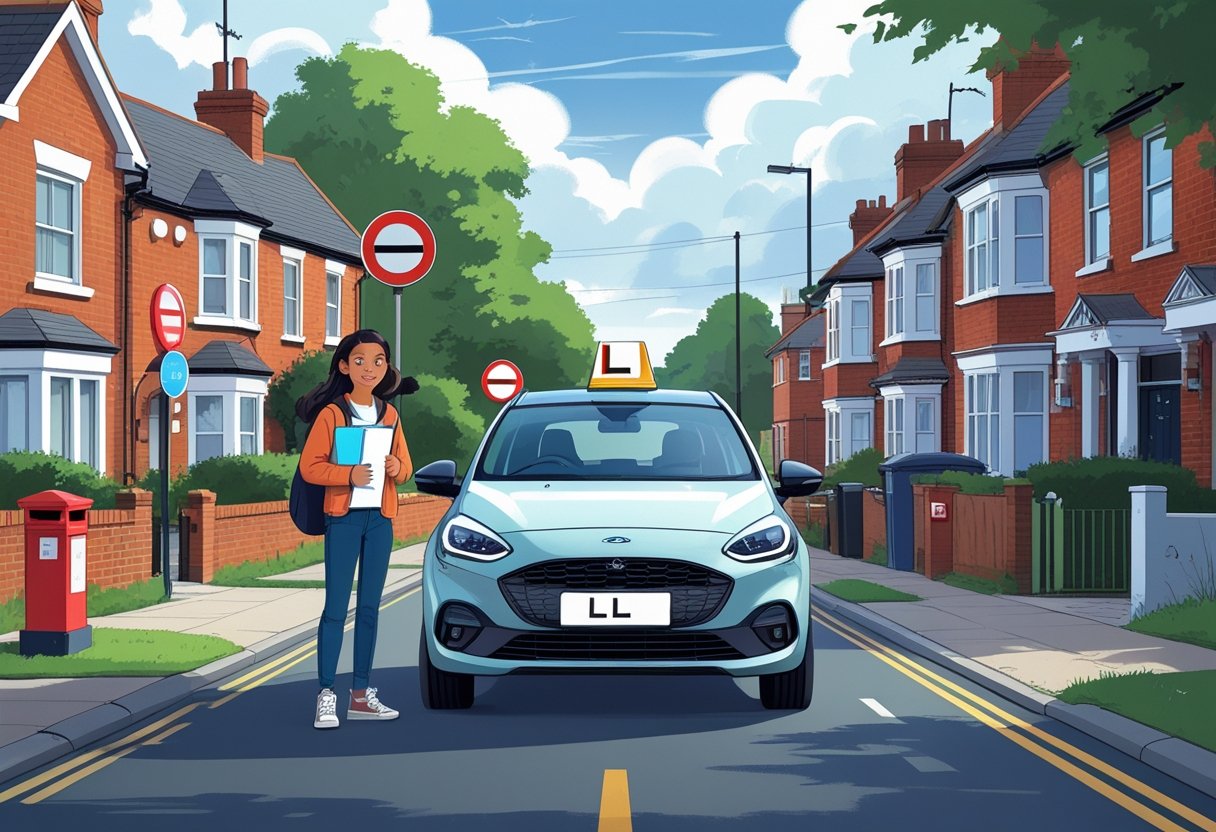
You can start learning to drive in the UK at 17 years old, though you can apply for your provisional licence when you’re 15 years and 9 months. This gives you plenty of time to sort out the paperwork and get organised before you actually begin your driving lessons. The process might seem a bit overwhelming at first, but it’s actually quite straightforward once you know what steps to take.
We understand that waiting until 17 can feel like forever when you’re eager to start driving. The good news is that this gives you time to prepare properly, save up for lessons, and even start learning the theory. Getting your licence isn’t just about reaching the right age – there are several important requirements and considerations that will help you become a safe, confident driver.
Key Takeaways
- You can apply for a provisional licence at 15 years and 9 months but must wait until 17 to start driving lessons
- Learner drivers must display L plates and be supervised by a qualified instructor or approved driver at all times
- Proper preparation including theory study, adequate insurance, and choosing the right instructor will set you up for driving test success
Key Age Milestones for Learner Drivers
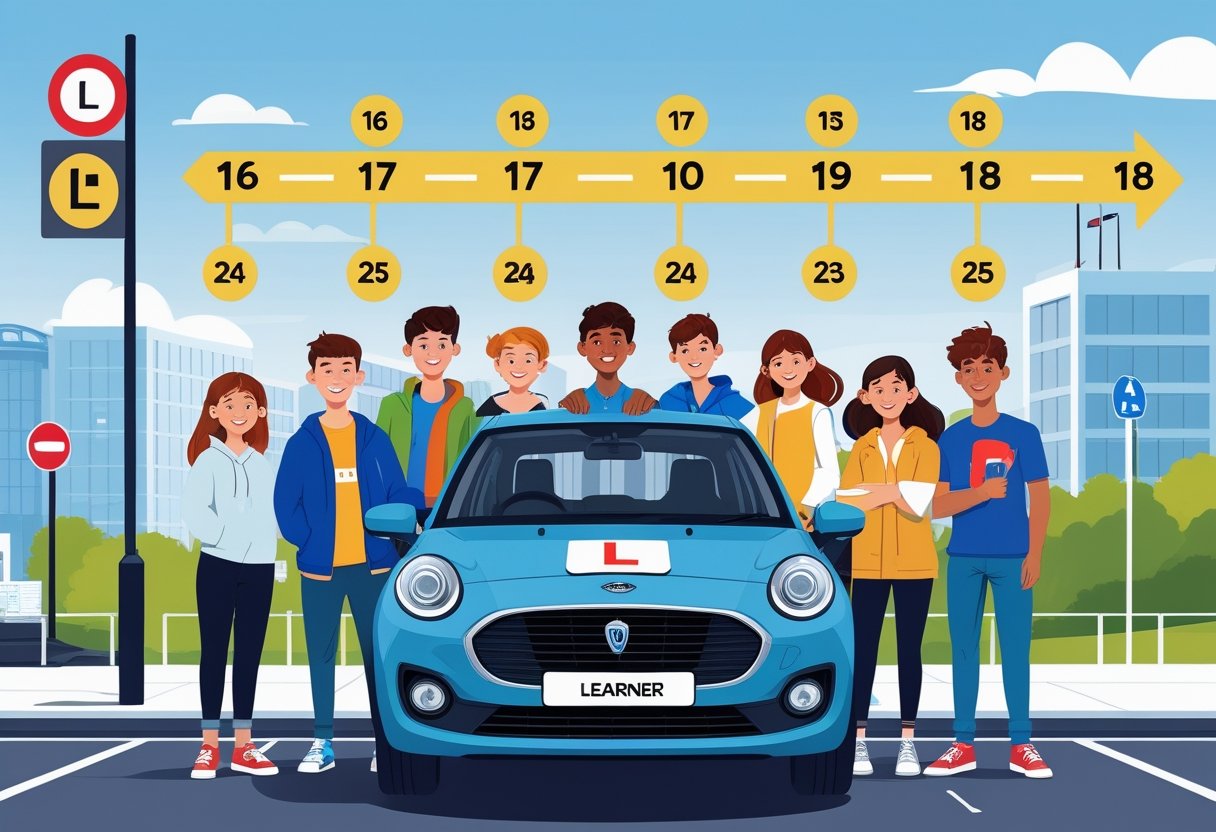
The journey to getting behind the wheel involves several important age-related steps that we’ll walk you through. Most people can start learning to drive at 17, but there are earlier opportunities for applying for your licence and special provisions for those receiving certain benefits.
Minimum Age for Driving a Car
The exciting news is that most people can start driving at 17 in the UK. This is when you can finally get behind the wheel with a qualified instructor or approved supervisor.
However, there’s a brilliant opportunity for those with certain disabilities to start earlier at 16. This earlier start recognises that driving can be particularly important for independence when you’re managing mobility challenges.
Standard driving age requirements:
- Car driving: 17 years old
- Motorcycle (up to 125cc): 17 years old
- Large motorcycles: 19-24 years old depending on licence type
The brilliant thing about learning to drive is that once you reach 17, you can practise at any time of day or night. There’s no restriction on when you can get out there and build your confidence.
Applying for a Provisional Driving Licence
Here’s where the process gets really exciting – you can apply for your provisional driving licence at 15 years and 9 months. This gives you a head start on the paperwork side of things.
Getting your provisional licence sorted early means you’re ready to go the moment you turn 17. We’d recommend applying around three months before your 17th birthday to avoid any delays.
What you’ll need for your provisional licence application:
- Valid UK passport or birth certificate
- Recent passport-style photograph
- Current address details
- £34 application fee (online) or £43 (by post)
The provisional licence is your golden ticket to learning. Without it, you simply cannot legally get behind the wheel for lessons or practice sessions with family members.
Early Start Eligibility with Personal Independence Payment
If you’re receiving Personal Independence Payment (PIP), you’ve got access to an earlier start that many people don’t know about. This provision recognises that driving can be particularly crucial for your independence and quality of life.
PIP recipients can:
- Apply for a provisional licence from age 15 years and 9 months
- Begin driving lessons and practice from age 16
- Take their driving test once they turn 17
The enhanced mobility component of PIP often helps with driving-related costs too. This might include contributions towards lessons, vehicle adaptations, or insurance – making your driving journey more affordable.
We’d encourage anyone receiving PIP to explore these options early. Getting comfortable behind the wheel that extra year earlier can make a real difference to your confidence and independence as you move into adulthood.
Getting Your Provisional Driving Licence
Your provisional licence is the gateway to your driving journey, and you can apply for one from 15 years and 9 months old. We’ll walk you through exactly when and how to apply, plus what documents you’ll need to get started.
How and When to Apply
The exciting news is that you can apply for a provisional driving licence when you’re 15 years and 9 months old. This gives you a head start on getting everything sorted before you can actually begin driving lessons at 17.
We recommend applying online through the DVLA website, as it’s typically faster and more straightforward than posting your application. The online process usually takes just a few days to complete, whilst postal applications can take up to three weeks.
Online applications cost £34, which you can pay by debit or credit card. If you prefer posting your application, it’ll cost £43 and you’ll need to include a cheque or postal order.
Don’t worry if you make a mistake during your application. The DVLA will contact you if they need any additional information or clarification.
Documents and Proof Needed
Getting your documents ready beforehand makes the whole process much smoother. You’ll need valid identity documents to prove who you are and where you live.
For identity proof, you’ll need:
- A valid UK passport, or
- Original birth certificate issued within 12 months of birth
For address proof, you’ll need one of these:
- Bank or building society statement
- Council tax bill
- Utility bill (gas, electric, water, landline phone)
Make sure all documents are originals and in date. We can’t stress enough how important it is to double-check everything before submitting your application – it’ll save you time and potential delays later on.
Learning to Drive: Lessons and Private Practice
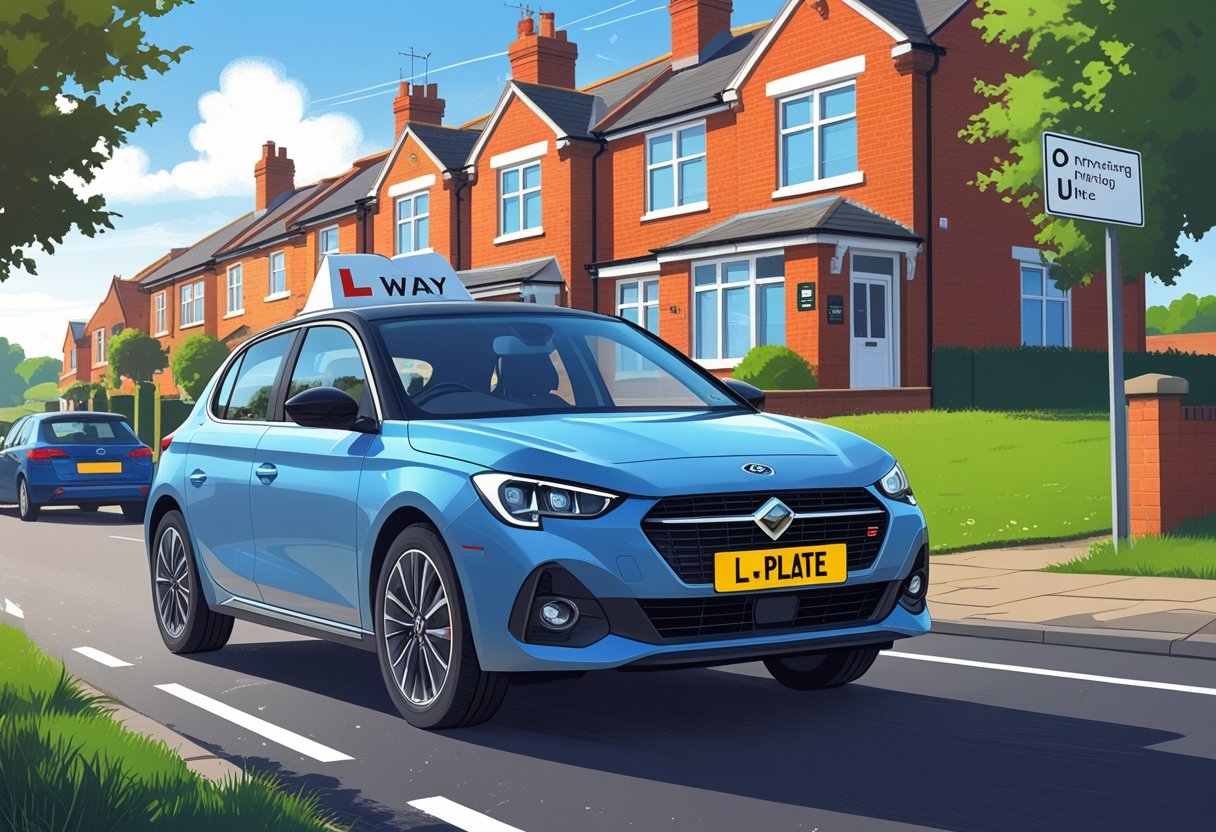
Once you’re ready to get behind the wheel, you’ll have two main options for building your driving skills: professional instruction with qualified instructors or supervised practice with family and friends. Both approaches offer unique benefits and can work brilliantly together to accelerate your progress.
Starting Formal Driving Lessons
Professional driving lessons give you the strongest foundation for becoming a confident, skilled driver. When you start taking driving lessons, you’ll work with a qualified instructor who understands exactly what examiners look for.
Your instructor brings years of experience teaching nervous beginners just like you. They know precisely how to explain complex manoeuvres in simple terms that make sense.
Key benefits of professional lessons:
- Cars equipped with dual controls for your safety
- Structured learning that builds skills progressively
- Expert feedback on your technique
- Knowledge of local test routes and tricky areas
- Motorway lessons (England, Scotland, and Wales only)
Most instructors offer flexible scheduling around school or work commitments. We recommend booking regular weekly lessons to maintain momentum and build muscle memory effectively.
The car you learn in must display L plates clearly. Your instructor handles this requirement, along with ensuring proper insurance coverage for your lessons.
Practising with a Supervising Driver
Private practice between professional lessons can dramatically speed up your progress. Your supervising driver must be over 21 and hold a full driving licence for at least three years.
This could be a parent, older sibling, partner, or trusted family friend. Choose someone patient who won’t panic in stressful situations.
Requirements for supervised practice:
- Valid provisional licence
- Appropriate insurance coverage
- L plates displayed on front and rear
- Supervising driver meets legal requirements
We suggest starting with quiet car parks or empty industrial estates before progressing to residential streets. Your supervising driver doesn’t need formal teaching qualifications, but they should feel comfortable giving clear instructions.
Remember, you cannot drive on motorways during private practice sessions. This type of high-speed driving requires professional instruction with dual-controlled vehicles.
Private practice lets you clock up valuable hours between lessons without the ongoing expense of professional instruction.
Requirements for Supervised Driving
When you’re ready to get behind the wheel, you’ll need the right person beside you and must follow specific rules. Your supervising driver must meet certain age and licence requirements, whilst you’ll need to display L plates and follow learner-specific regulations.
Who Can Act as a Supervising Driver
Finding the right person to supervise your driving practice is crucial for your learning journey. Your supervisor must be at least 21 years old and hold a full UK driving licence for the type of vehicle you’re learning in.
They also need to have held their licence for a minimum of three years. This experience requirement ensures they’ve developed solid driving skills and road awareness to guide you safely.
Your supervising driver can be:
- A family member or friend who meets the requirements
- A qualified driving instructor
- Anyone willing to help who has the proper qualifications
The beauty of this system is that you’re not limited to professional instructors. Many learners find that practising with family members or friends creates a comfortable, relaxed learning environment.
However, we’d recommend choosing someone patient and calm. Learning to drive can feel overwhelming at times, so having a supportive supervisor makes all the difference to your confidence and progress.
Essential Rules for Learner Drivers
Once you’ve got your supervisor sorted, there are specific rules you must follow as a learner driver. Your car must display ‘L’ plates at all times when you’re driving – this alerts other road users that you’re still learning.
You must always be supervised when driving. There’s no such thing as solo practice sessions, even if you feel confident about your abilities.
Key requirements include:
- Valid provisional driving licence
- Appropriate learner driver insurance coverage
- L plates clearly visible on front and rear of the vehicle
- Constant supervision by a qualified person
The good news is that you can drive at any time, day and night, giving you flexibility to practise when it suits you best. Night driving can actually be brilliant practice for building your confidence in different conditions.
Motorway driving has special rules. You can only drive on motorways in England, Scotland, or Wales with an approved driving instructor in a dual-control car. It’s worth booking these lessons once you’ve mastered basic driving skills.
Insurance and Safety Considerations for Learners
Getting the right insurance coverage and displaying L plates properly are essential steps that keep you legal and protected on the road. These requirements might seem straightforward, but understanding the details helps you drive with confidence from day one.
Learner Driver Insurance Explained
You’ll need valid insurance before you can legally drive on public roads. This is absolutely non-negotiable, and driving without it carries serious penalties.
If you’re taking professional lessons, your instructor’s car will already have comprehensive cover. You won’t need to arrange anything yourself for these sessions, which makes getting started incredibly simple.
Private practice with family or friends requires more planning. The car owner’s existing policy might cover you as a learner driver, but this isn’t guaranteed.
Many standard policies exclude learner drivers completely. Others might cover you but could increase the owner’s premium or affect their no-claims bonus if you have an accident.
Short-term learner driver insurance offers a brilliant solution for private practice. These policies work alongside the car owner’s existing cover, protecting their no-claims discount.
You can purchase temporary cover for just a few hours or extend it for several months. This flexibility means you’re never paying for coverage you don’t need.
Displaying L Plates Correctly
L plates must be displayed whenever you’re driving on public roads. This isn’t just a helpful suggestion – it’s a legal requirement that helps other drivers recognise your learner status.
The plates need to be clearly visible on both the front and rear of the vehicle. Position them where they won’t obstruct your view or important vehicle features like lights or number plates.
Standard L plates must meet specific size requirements and display the distinctive red ‘L’ on a white background. Magnetic plates work perfectly for most cars and remove easily after your lessons.
Remove the plates as soon as your lesson ends if someone else will be driving the car. Qualified drivers displaying L plates can face penalties, so this step protects everyone involved.
Some learners worry about other drivers’ reactions to L plates, but most motorists are patient and understanding. The plates actually work in your favour by encouraging others to give you extra space and time.
Preparing for the Driving Test
Getting ready for your practical driving test takes careful planning and plenty of hands-on experience. Building your confidence behind the wheel and understanding what happens after you pass your theory test will set you up for success.
Building Up Practical Experience
The key to passing your driving test lies in getting as much practice as possible before test day arrives. We recommend booking regular lessons with a qualified instructor who can spot your weak areas and help you improve them.
Practice makes perfect, and you’ll need to master various driving skills before you’re test-ready. Focus on these essential areas:
- Manoeuvres: Parallel parking, bay parking, and three-point turns
- Hazard awareness: Spotting potential dangers and reacting safely
- Traffic situations: Roundabouts, busy junctions, and dual carriageways
- Highway Code knowledge: Road signs, markings, and right-of-way rules
Most learners need between 40-50 hours of professional tuition, though everyone learns at their own pace. Don’t rush the process – it’s better to be properly prepared than to face disappointment.
Consider practising with family or friends between lessons. They must be over 21, hold a full licence for at least three years, and ensure the car displays L-plates clearly.
Next Steps After Passing Your Theory Test
Once you’ve conquered your theory test, you’re halfway to becoming a fully qualified driver! Your theory test certificate stays valid for two years, giving you plenty of time to pass your practical test.
Now’s the time to book your practical driving test if you haven’t already. Test slots can get booked up quickly, especially in busy areas, so we suggest booking as soon as you feel confident about your driving abilities.
Your instructor will help you decide when you’re ready to take the plunge. They know your strengths and areas that need work, so trust their judgement about timing.
Keep practising those tricky manoeuvres and stay focused on areas where you feel less confident. Remember, your examiner wants you to succeed – they’re looking for safe, competent driving rather than perfection.
Make sure you’ve got all your documents ready: your provisional licence, theory test certificate, and any glasses or contact lenses you need for driving.
Frequently Asked Questions
New drivers often have similar questions about age requirements and timing for different stages of learning to drive. Here are the most common queries we hear about getting started with driving lessons and licences in the UK.
What’s the earliest birthday when you can get behind the wheel for driving lessons?
You can start your first proper driving lesson on your 17th birthday. That’s when you’re legally allowed to sit behind the wheel of a car on public roads with a qualified instructor.
There’s one important exception to this rule. If you receive the enhanced rate of Personal Independence Payment (PIP) for mobility, you can begin driving lessons at 16. This special provision helps young people with mobility needs gain independence earlier.
Remember, you’ll need your provisional licence sorted before your first lesson. Most driving schools won’t take you out without this essential document in hand.
How old should you be to first take the theory part of the UK driving test?
You can sit your theory test as soon as you turn 17 and have your provisional licence. There’s no rule saying you must wait longer than this.
Many learners find it helpful to book their theory test after they’ve had several practical lessons. This way, you’ll understand real driving situations better when answering those tricky scenario questions.
The theory test results stay valid for two years. This gives you plenty of time to master your practical skills without worrying about your theory certificate expiring.
Can you tell me the right time to apply for a provisional driving licence in the UK?
You can apply for your provisional licence when you’re 15 years and 9 months old. This early application means you’ll have everything ready for your 17th birthday driving adventures.
We always recommend applying at least a few weeks before you plan to start lessons. The DVLA processing times can vary, and you don’t want delays holding back your progress.
Your provisional licence arrives as a proper photocard licence. Keep it safe – you’ll need to carry it every time you’re behind the wheel during lessons or practice sessions.
Is there a minimum age requirement to start off-road driving courses?
Off-road driving experiences often welcome much younger participants than regular driving lessons. Many centres accept drivers from age 10 or 11 for basic courses on private land.
These experiences don’t count towards your official driving qualification. However, they’re brilliant for building confidence and understanding how cars respond to your inputs.
Some centres offer specific courses for 14-16 year olds. These bridge the gap nicely between childhood go-karting and serious driving preparation.
At what stage of teenage life can one typically begin driving with a qualified instructor in the UK?
Most teenagers start their driving journey at 17, which coincides with college years or sixth form. This timing works well because you’ve got more maturity and better coordination than younger teens.
Learning to drive at 17 also means you can potentially pass your test before starting university or work. Having a full licence opens up so many opportunities for jobs and independence.
Some families prefer waiting until 18 when insurance costs might be slightly lower. There’s no rush – start when you feel ready and can afford the lessons and insurance.
Could you enlighten me on the age when you can legally start to drive a moped or light quad bike on British roads?
You can ride a moped (up to 50cc) from your 16th birthday with the right licence and training. This requires a provisional licence and completing Compulsory Basic Training (CBT).
Light quad bikes follow the same age rules as mopeds – 16 years old with proper licensing. These vehicles can’t exceed 15mph and must display L-plates just like learner cars.
Both options give younger riders a taste of road experience before they’re old enough for car lessons. Many find this early experience helpful when they progress to four wheels later.