

Published 7 November 2025, updated 14 August 2026
Switching to an Automatic If Manual Driving Makes You Anxious: Your Confident Journey Begins Here
If you’ve been learning to drive in a manual car but find yourself getting stressed about clutch control and gear changes, you’re definitely not alone. Many learners discover that juggling the clutch pedal, gear stick, and everything else happening on the road creates a perfect storm of anxiety that makes driving feel overwhelming rather than enjoyable.
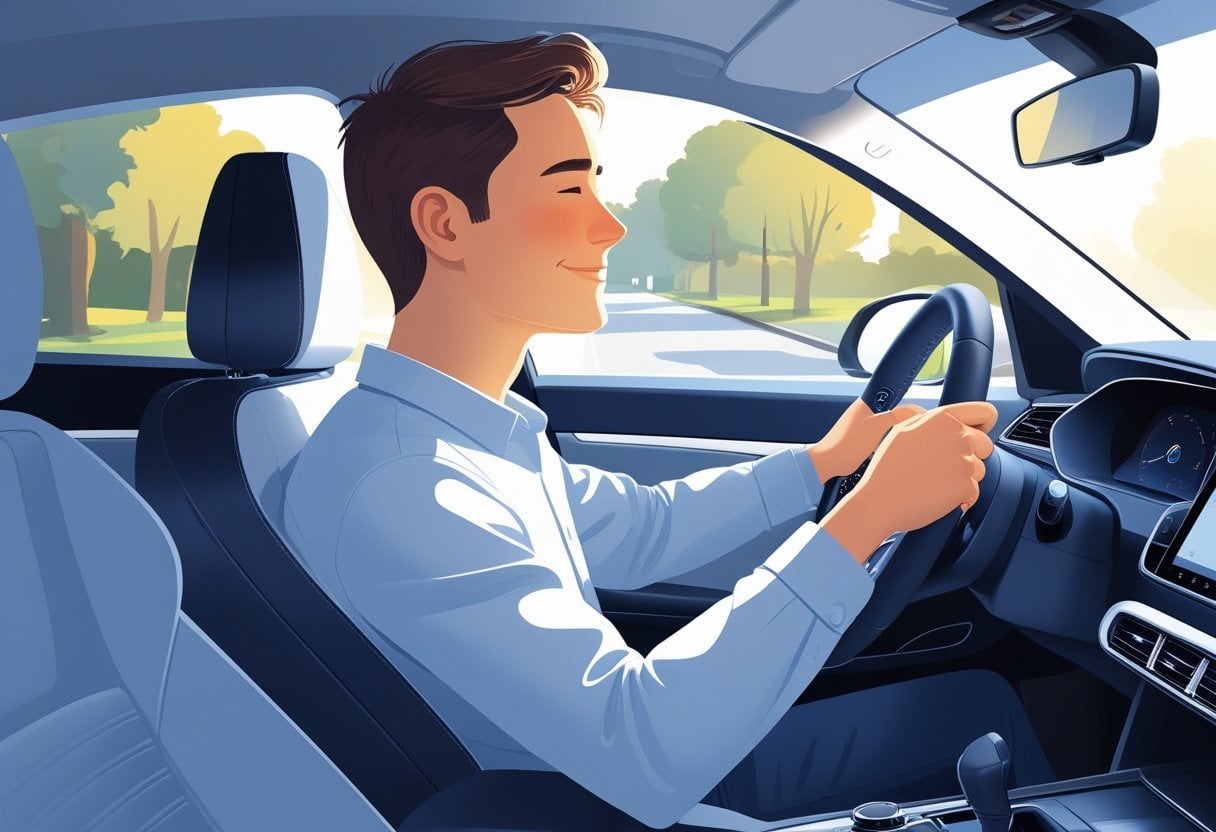
Switching to an automatic car can dramatically reduce driving anxiety by eliminating the need to coordinate clutch control and gear changes, letting you focus entirely on the road ahead. This simple change often transforms the driving experience from stressful multitasking into something far more manageable and confidence-building.
We’ll walk you through why manual driving can feel so daunting, how automatics work differently, and what you need to know about making the transition smoothly. You’ll also discover practical strategies for building confidence behind the wheel and what to expect once you’ve made the switch to automatic driving.
If manual gears are the root of your nerves, our automatic intensive driving courses let you focus on the road ahead rather than the clutch.
Why Manual Driving Can Feel Overwhelming
Manual driving involves managing multiple tasks at once, which can create intense stress for many learners. The combination of coordinating clutch control, gear changes, and road awareness often triggers anxiety that makes the entire learning process feel impossible.
Common Sources of Driving Anxiety
Learning to drive brings natural worries that affect nearly everyone. We often feel pressure to perform perfectly whilst managing an unfamiliar vehicle on busy roads.
Fear of making mistakes tops the list for most learners. Stalling at traffic lights, rolling backwards on hills, or bunny-hopping through junctions can feel embarrassing. These concerns grow stronger when other drivers seem impatient or honk their horns.
Multitasking demands create significant stress. Your brain must process road signs, check mirrors, judge distances, and anticipate hazards. Adding gear changes and clutch control makes this mental juggling act even more challenging.
Many learners worry about:
- Causing accidents or dangerous situations
- Looking foolish in front of instructors or family
- Taking longer than others to master basic skills
- Failing driving tests repeatedly
Social pressure adds another layer of anxiety. Friends and family might question why you’re struggling or suggest that driving should feel natural. This external pressure can make you doubt your abilities and increase stress levels.
The physical symptoms often include sweaty palms, racing heartbeat, and tense shoulders. These reactions are completely normal but can interfere with your ability to learn effectively.
Challenges Unique to Manual Gearboxes
A manual car presents specific hurdles that don’t exist with automatic vehicles. The clutch pedal becomes the biggest source of frustration for most learners.
Clutch control requires precise foot positioning and smooth coordination. Finding the biting point takes practice, and getting it wrong leads to stalling or jerky movements. This skill feels particularly tricky when you’re already concentrating on steering and observation.
Hill starts terrify many learners. Balancing clutch, accelerator, and handbrake whilst preventing rollback demands perfect timing. The fear of rolling into the car behind creates intense pressure that makes the technique even harder to master.
The manual gearbox forces you to make constant decisions about when to change gear. You must listen to engine noise, monitor your speed, and anticipate upcoming road conditions. This mental load increases dramatically in busy traffic or complex road situations.
Coordination challenges affect your confidence. Your left foot controls the clutch, right foot manages brake and accelerator, whilst your left hand operates the gear stick. Meanwhile, your right hand steers and indicates. This complex choreography feels overwhelming at first.
Stalling becomes a major anxiety trigger. Each stall feels like failure, especially when it happens repeatedly during lessons or tests.
Recognising Signs It’s Time to Switch
Several clear indicators suggest that switching to automatic might benefit your learning journey. These signs often develop after weeks or months of struggling with manual lessons.
Persistent anxiety that doesn’t improve with practice signals a potential problem. If you still feel panicked after 10-15 hours of lessons, the manual gearbox might be hindering your progress rather than building skills.
Watch for these warning signs:
- Dreading each driving lesson
- Making the same gear-related mistakes repeatedly
- Feeling overwhelmed by basic manoeuvres
- Avoiding practice between lessons
- Considering giving up entirely
Physical symptoms that continue beyond the first few lessons deserve attention. Ongoing tension, headaches, or sleep problems related to driving suggest excessive stress levels.
Your learning pace provides important clues. Most learners show steady improvement within their first month. If clutch control still feels impossible after extensive practice, automatic lessons might unlock faster progress.
Instructor feedback often reveals patterns. If your driving instructor repeatedly mentions that gear changes distract you from road observation, this suggests the manual gearbox is limiting your development.
Consider your future driving needs honestly. If you plan to buy automatic cars or rarely drive manual vehicles, learning in a manual car might create unnecessary stress without long-term benefits.
Trust your instincts about what feels right for your learning style and goals.
How Switching to an Automatic Can Ease Anxiety
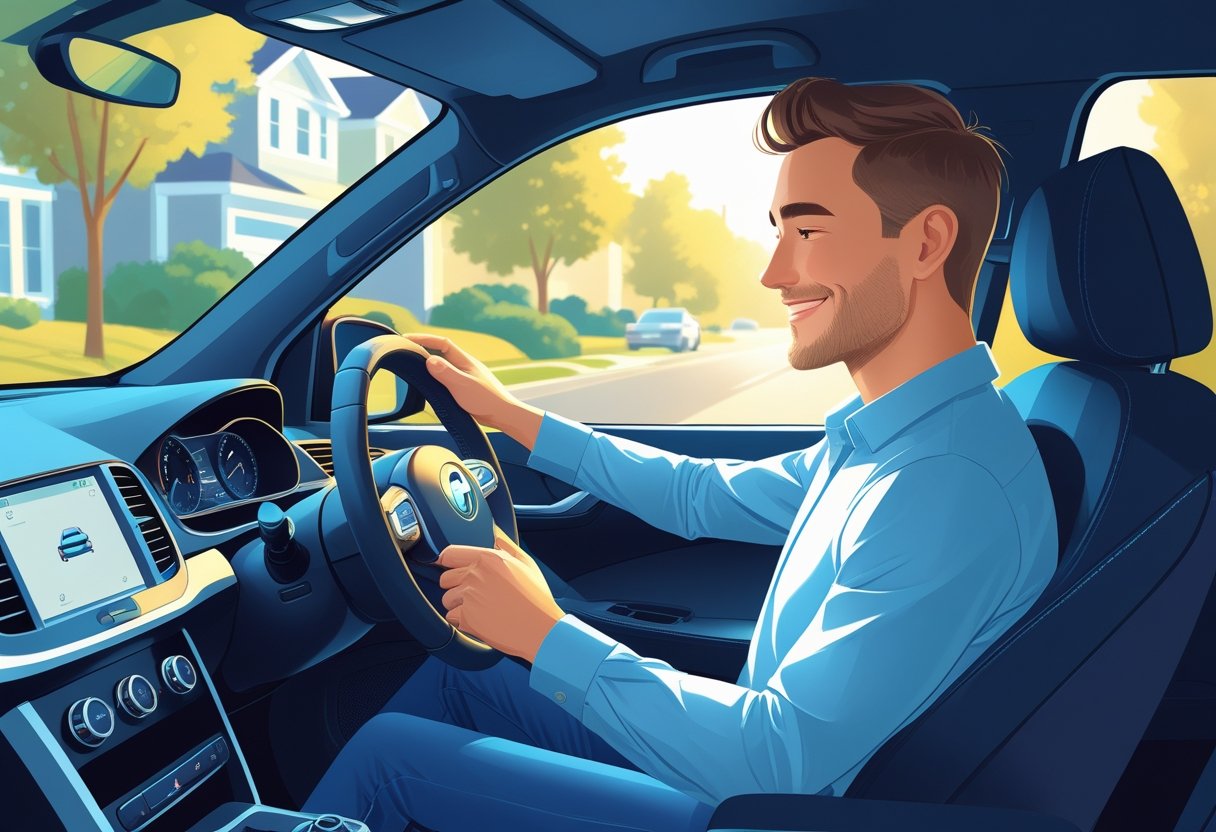
Many anxious drivers find that switching from manual to automatic transforms their driving experience completely. Without the constant worry of stalling or managing clutch control, you can focus on what matters most: staying safe and building your confidence on the road.
The Benefits of Driving an Automatic Car
The biggest advantage we see with automatic cars is how they eliminate gear-related stress entirely. You won’t need to worry about finding the right gear or coordinating your clutch, brake, and accelerator simultaneously.
This creates a much smoother learning curve. New drivers often tell us they feel more relaxed because there’s simply less to think about.
Automatic cars handle all the gear changes for you using clever computer systems. This means you can concentrate fully on steering, checking mirrors, and observing traffic around you.
Many modern automatics come with helpful features like hill-start assist, which prevents rolling backwards on slopes. This alone can be a game-changer for anxious drivers who dread stopping on hills.
The technology also means fewer opportunities for embarrassing stalls at traffic lights or roundabouts. We’ve seen countless drivers gain confidence simply because they know their car won’t cut out unexpectedly.
Decreasing Stress and Building Confidence
Making the switch to automatic often creates an immediate sense of relief for nervous drivers. Without clutch control to master, you’ll likely find your stress levels drop significantly during lessons and practice sessions.
This reduced anxiety creates a positive cycle. When you’re less stressed, you make better decisions and react more calmly to challenging situations.
We often notice that students who switch to automatic start enjoying their driving lessons rather than dreading them. This shift in mindset is crucial for building long-term confidence.
Automatic cars are particularly forgiving in stop-start traffic, which is where many anxious drivers struggle most. You simply press the brake to stop and accelerator to go, without any clutch complications.
The smoother driving experience means you can focus on developing other essential skills like hazard perception, positioning, and planning ahead. These abilities will serve you well throughout your driving career.
Comparing the Day-to-Day Experience
The difference between manual and automatic becomes most apparent in everyday driving situations. In heavy traffic, an automatic car eliminates the constant clutch work that can leave your leg aching and your nerves frayed.
Parking becomes much simpler too. Without worrying about stalling during tight manoeuvres, you can concentrate on positioning and spatial awareness instead.
Hill starts transform from anxiety-inducing challenges into routine parts of driving. The car simply won’t roll backwards, giving you time to check your mirrors and pull away smoothly.
Many drivers tell us they actually start looking forward to their commute after switching to automatic. The driving experience becomes more relaxing and enjoyable rather than a source of daily stress.
Even experienced manual drivers often find that switching to automatic reduces their overall driving fatigue, particularly during long journeys or in heavy urban traffic.
Understanding the Transition: Manual to Automatic
Making the switch from a manual car to an automatic can feel daunting at first, but the reality is much simpler than you might imagine. The biggest changes you’ll notice involve fewer pedals, different gear positions, and a completely new feel when accelerating and braking.
What to Expect the First Time in an Automatic
Your first drive in an automatic car will feel surprisingly different from anything you’ve experienced before. The most obvious change is the missing clutch pedal on your left foot. This might seem small, but it completely transforms how you interact with the car.
Don’t panic if you instinctively reach for the clutch. This happens to nearly everyone making the transition. Your left foot might even press where the clutch used to be, sometimes hitting the brake pedal by mistake.
The car will feel much smoother when pulling away from stops. There’s no clutch control needed, no finding the biting point, and definitely no stalling. Simply press the accelerator gently and you’re moving.
Hill starts become effortless. Remember those nerve-wracking moments on steep inclines with a manual car? They’re completely gone with an automatic transmission.
You might notice the engine sounds different too. Automatic transmissions shift gears at different points than you would in a manual, so the engine noise patterns will be unfamiliar at first.
Key Differences in Controls and Feel
The gear selector replaces your traditional gear stick and works completely differently. Most automatic cars use P (Park), R (Reverse), N (Neutral), and D (Drive) positions.
Park locks the transmission and should only be used when you’ve stopped completely. Drive handles all forward gears automatically, shifting up and down based on your speed and throttle input.
Your right foot controls everything now. The accelerator pedal works similarly to a manual car, but you’ll need to develop a gentler touch. Automatic cars can be more responsive to small throttle changes.
Braking feels different because you’re not used to engine braking from downshifting. The car coasts more freely when you lift off the accelerator, so you might find yourself using the brake pedal more often.
The steering wheel might have additional controls like paddle shifters in some cars. These let you manually select gears if you want more control, though they’re completely optional to use.
Adapting Your Driving Habits
Your biggest adjustment will be retraining your left foot to stay put. Many new automatic drivers struggle with this, so don’t worry if it takes time to feel natural.
Develop smooth accelerator control. Without gears to shift, maintaining steady speeds becomes all about your right foot technique. Practice gentle, gradual inputs rather than sudden movements.
Traffic jams become much less stressful. You can creep forward in slow traffic without constantly working the clutch, which reduces fatigue significantly during long commutes.
Learn to trust the transmission. The car knows when to shift gears, even if it doesn’t always match what you would have done in a manual car. Modern automatics are remarkably clever at reading driving conditions.
Parking becomes simpler too. You can focus entirely on manoeuvring without worrying about stalling or clutch control in tight spaces.
Practical Tips for a Smooth Switch
Making the jump from manual to automatic driving requires patience and specific techniques to avoid common pitfalls. Your left foot will need retraining, and certain driving habits must be unlearned to protect your new automatic car.
Avoiding Common Mistakes New Automatic Drivers Make
The biggest error we see is using both feet to drive an automatic car. Your left foot should stay firmly planted on the floor, not hovering over the brake pedal.
Never do these things:
- Rest your foot on the brake whilst driving
- Shift into park whilst the car is moving
- Rev the engine in neutral at traffic lights
- Put the car in reverse before coming to a complete stop
One mistake that damages transmissions is shifting between drive and reverse without stopping completely. This habit comes from manual driving where you might rock the car slightly. In an automatic, this creates expensive repair bills.
The parking brake confusion catches many drivers out. Manual drivers often forget to engage it because they’re used to leaving cars in gear. Your automatic car needs the parking brake every time you park.
Keep your right foot doing all the work. Use it for both accelerator and brake pedals. This prevents accidentally pressing both pedals simultaneously, which can be dangerous and costly.
Moving Past ‘Phantom Clutch Foot’
Your left foot will feel restless for weeks after switching to automatic. This phantom clutch syndrome affects nearly every manual driver who makes the change.
Resist these urges:
- Pressing an imaginary clutch at traffic lights
- Searching for the clutch pedal when starting
- Stamping your left foot during gear changes
We recommend practising left foot discipline in car parks first. Keep that foot flat on the floor and focus on smooth right foot movements. Your muscle memory needs time to adapt to this new pattern.
Some drivers tape a small reminder to their dashboard saying “right foot only” during their first few weeks. It sounds silly, but it works brilliantly for breaking old habits.
The handbrake becomes more important now. Manual drivers often relied on the clutch for hill starts, but automatic cars need the parking brake for slope control. Practise engaging it naturally as part of your stopping routine.
Safely Practising New Skills
Start your automatic practice in quiet car parks during off-peak hours. This gives you space to understand how the car responds without pressure from other drivers.
Essential practice areas:
- Hill starts: Learn how your automatic manages slopes
- Creeping forward: Master slow-speed manoeuvring
- Smooth acceleration: Feel the difference without clutch control
- Braking distances: Understand your new stopping patterns
We suggest practising for at least three hours in safe environments before tackling busy roads. Pay special attention to roundabouts where your manual instincts might kick in.
Book a lesson with an automatic instructor even if you’re an experienced manual driver. They’ll spot habits you don’t realise you have and teach you automatic-specific techniques.
Your automatic car behaves differently in traffic. Practice stop-start driving where you’ll appreciate not having a clutch to manage. The car will creep forward naturally when you release the brake, which takes getting used to but reduces leg fatigue significantly.
Boosting Confidence Behind the Wheel
The shift from manual to automatic driving can transform your relationship with being on the road, turning anxiety into genuine excitement about your driving journey. Finding the right support system, learning from others who’ve walked this path, and developing practical techniques to manage nerves will help you build lasting confidence in your automatic car.
Finding Supportive Driving Instructors
The right instructor makes all the difference when you’re switching from manual to automatic lessons. We’ve seen countless learners flourish once they find someone who truly understands their anxiety.
Look for instructors who specialise in automatic vehicles and have experience with nervous learners. Many advertise themselves as “patient and calming” instructors. Ask potential instructors directly about their approach to anxious students.
What to ask when booking:
- Do you have experience with learners switching from manual?
- How do you help students who feel stressed about driving?
- Can we start with quiet roads before moving to busier areas?
Read reviews carefully. Look for mentions of instructors being “understanding,” “calm,” or “great with nervous drivers.” These are the golden phrases that indicate you’ve found someone special.
Don’t settle for the first instructor you find. If someone doesn’t feel right after a couple of lessons, it’s perfectly fine to switch. Your comfort and progress matter more than loyalty to one person.
Some instructors offer a “settling in” period where they focus purely on building your confidence rather than rushing towards test preparation. This approach works brilliantly for learners making the switch.
Lessons from Drivers Who Made the Change
Real stories from drivers who’ve made the switch provide powerful motivation and practical insights. Sarah from Leeds failed her manual test twice before switching to automatic and passing first time. She describes feeling “completely in control” without worrying about stalling.
Mark, a mature learner from Birmingham, found manual lessons overwhelming. After switching to automatic at 47, he discovered he could focus on road awareness instead of clutch control. His confidence grew rapidly once the mechanical stress disappeared.
Common themes from successful switchers:
- Immediate reduction in test day anxiety
- Faster progression through driving skills
- Better focus on hazard awareness
- Improved performance in stop-start traffic
Many drivers tell us they wish they’d switched sooner. The relief of removing clutch control often unlocks natural driving ability that was previously masked by anxiety.
These success stories highlight something crucial: switching to automatic isn’t giving up or taking the easy route. It’s choosing the path that works best for your learning style and comfort level.
If nerves are a big part of the picture for you, the Platinum 50 beginner intensive gives total beginners and anxious learners the most one-to-one support we offer.
The confidence these drivers gained in their automatic cars often surprises them. They go from dreading lessons to actually looking forward to getting behind the wheel.
Mental Strategies to Calm Driving Nerves
Practical techniques can help you manage anxiety when switching to your automatic car. Deep breathing exercises work wonderfully before lessons and tests. Try the 4-7-8 technique: breathe in for four counts, hold for seven, exhale for eight.
Visualisation helps many of our learners. Spend time imagining yourself driving smoothly and confidently in your automatic car. Picture yourself handling roundabouts, parking, and navigating traffic with ease.
Quick anxiety busters:
- Remind yourself that automatic cars eliminate stalling fears
- Focus on one task at a time rather than everything at once
- Use positive self-talk: “I’m learning” instead of “I’m failing”
- Celebrate small wins like smooth reversing or confident lane changes
Progressive muscle relaxation works brilliantly before lessons. Tense and release different muscle groups, starting with your shoulders and working down to your feet. This helps release physical tension that anxiety creates.
Create a pre-lesson routine that calms you. This might include listening to favourite music, having a cup of tea, or doing light stretches. Consistency helps signal to your brain that everything’s okay.
Remember that everyone learns at different speeds. Your automatic car journey is unique to you, and comparing yourself to others only adds unnecessary pressure to your experience.
Looking Ahead: Life After the Switch
Once you’ve made the change to an automatic car, you’ll discover how much more enjoyable driving becomes when anxiety isn’t your passenger. Many drivers find they never want to return to a manual gearbox, whilst others keep their options open for future scenarios.
Enjoying Everyday Journeys in an Automatic
Your daily drives will feel completely different once you’re behind the wheel of an automatic car. Traffic jams become far less stressful without constantly working the clutch pedal.
Hill starts are no longer a source of worry. Your automatic handles steep inclines smoothly, and you won’t roll backwards at traffic lights anymore.
City driving becomes much more relaxing. Stop-and-go traffic that once made your left leg ache from clutch work now feels manageable.
Parking manoeuvres improve significantly when you can focus entirely on steering and positioning. You’re not juggling clutch control whilst trying to reverse into a tight space.
Many drivers tell us their confidence grows quickly once they switch. You’ll likely find yourself volunteering for longer journeys or driving in areas you previously avoided.
The mental energy you once spent on gear changes can now go towards better observation and road awareness. This often makes new automatic drivers safer overall.
Deciding If You’ll Ever Go Back to Manual
Most drivers who switch from manual to automatic never look back. The convenience and reduced stress make it hard to imagine returning to a manual gearbox.
However, some situations might make you consider manual cars again. Rental cars abroad are often manual, particularly in Europe where automatics can be more expensive to hire.
Cost considerations sometimes play a role. Manual cars typically cost less to buy and maintain, though this gap is narrowing as automatics become more popular.
If you hold a manual licence, you can always return to driving stick shift. Starting in a quiet car park helps rebuild that muscle memory for clutch control.
Some drivers miss the feeling of control that comes with a manual gearbox. They enjoy being able to engine brake or select specific gears for different driving conditions.
Fuel economy used to favour manual cars, but modern automatics often match or exceed manual efficiency. This old concern rarely applies to newer vehicles.
Preparing for Different Driving Scenarios
Your automatic car handles most driving situations brilliantly, but knowing what to expect helps build confidence for various scenarios.
Motorway driving feels effortless in an automatic. The car maintains steady speeds without constant gear adjustments, making long journeys less tiring.
Winter conditions can feel different initially. Most automatics have snow modes or winter settings that adjust gear changes for better traction on slippery surfaces.
Consider learning about your car’s drive modes. Many automatics offer sport, eco, or manual override options that change how the gearbox behaves.
Emergency situations become simpler when you’re not worrying about stalling. You can focus entirely on steering and braking without clutch concerns.
Towing or carrying heavy loads works differently in automatics. The car automatically adjusts to the extra weight, though you might notice slightly delayed gear changes.
Practice using parking sensors and automatic features if your car has them. These technologies work particularly well with automatic transmissions to make driving even easier.
Frequently Asked Questions
Making the switch from manual to automatic can bring up lots of questions, especially when driving anxiety is part of the picture. Let’s tackle the most common concerns about easing gear-related stress and building confidence behind the wheel.
What steps can I take to ease into driving an automatic if I’ve primarily driven manual cars?
Start by practising in quiet car parks or empty spaces where you can get used to the different feel without traffic pressure. Your left foot might feel restless at first since there’s no clutch pedal to work with.
Take time to understand your automatic’s specific features. Some have different drive modes like “Sport” or “Eco” that change how the car responds. Getting familiar with these settings helps you feel more in control.
We recommend booking a few lessons with an automatic instructor, even if you’ve been driving manual for years. They can spot habits that might cause confusion and help you adapt more quickly.
Remember that your muscle memory will need time to adjust. Don’t rush yourself during those first few weeks of switching over.
Can switching from manual to automatic driving help reduce my on-road anxiety?
Yes, many drivers find their anxiety levels drop significantly after making the switch. Without worrying about stalling in traffic or getting the gear changes right, you can focus entirely on reading the road and staying safe.
Automatic cars eliminate the fear of rolling backwards on hills or stalling at busy junctions. These are common anxiety triggers for many manual drivers, especially those still building confidence.
The smoother driving experience means fewer jerky movements and less stress during stop-start traffic. Your passengers will notice the difference too, which can boost your confidence as a driver.
However, switching cars won’t solve all driving anxiety. If your nerves stem from other factors like busy roads or parking, you’ll still need to work on those separately.
What are the benefits of learning to drive in an automatic for someone who’s nervous about gear changes?
Learning in an automatic means you can master one skill at a time instead of juggling multiple complex tasks. New drivers often feel overwhelmed trying to coordinate clutch control, gear timing, and road awareness simultaneously.
Your lessons will likely progress faster since you’re not spending time on clutch control and gear changes. This means you can focus on developing crucial skills like hazard perception and smooth steering much sooner.
Automatic lessons often result in fewer test failures caused by stalling or incorrect gear selection. This can save both money and emotional stress during your learning journey.
The confidence you build driving an automatic often translates into better overall driving skills. When you’re not anxious about gears, you make better decisions about speed, positioning, and road safety.
Are there specific techniques I should know to boost my confidence when starting to drive an automatic vehicle?
Practice using just your right foot for both the accelerator and brake pedals. Many manual drivers initially try to use their left foot for braking, which can feel awkward and lead to harsh stops.
Learn to trust the car’s ability to creep forward slowly without pressing the accelerator. This feature helps enormously with parking and slow-speed manoeuvres, but it takes getting used to.
Understand how to use the handbrake properly on hills. Whilst automatics won’t roll back like manuals might, using the handbrake still gives you extra confidence during hill starts.
Take time to practice in different driving conditions. Try quiet residential streets, dual carriageways, and car parks to build familiarity with how your automatic responds in various situations.
How long does it typically take to transition from manual to automatic driving without feeling anxious?
Most drivers feel comfortable with the basics within a few days of regular driving. The mechanical differences aren’t complicated, so your brain adapts to the new routine fairly quickly.
Expect about two to four weeks of regular driving before the transition feels completely natural. This timeframe depends on how often you drive and your general confidence levels.
Some drivers notice lingering habits for several months, like reaching for a gear stick that isn’t there or lifting their left foot during acceleration. These quirks are normal and fade with time.
If you’re particularly anxious about the change, consider giving yourself extra time. There’s no shame in taking things slowly until you feel genuinely comfortable with your new driving style.
What should I consider before choosing an automatic car to ensure it’s the right fit for my driving style?
Think about your typical journeys and driving environment. If you mostly drive in busy town centres with lots of stop-start traffic, an automatic will likely reduce your stress levels significantly.
Consider the running costs, including fuel efficiency and maintenance. Modern automatics are much more fuel-efficient than older models, but they can still use slightly more fuel than equivalent manual cars.
Test drive several different automatic models to find one that feels right. Some have very responsive acceleration, whilst others prioritise smooth, gentle power delivery that might suit nervous drivers better.
Factor in your future driving needs. With electric cars becoming more common and these being exclusively automatic, choosing an automatic now prepares you for the changing automotive landscape.
If nerves are the main thing holding you back
Feeling anxious about driving is common, and it does not have to decide how or whether you learn.
LPOD Academy works with more than 500 instructors and matches you to one who suits how you like to be taught, including automatic tuition if that takes some of the pressure off.
Learners rate us 4.9 out of 5 across 159 Google reviews.
Ready to pass in weeks, not months?
LPOD Academy runs tailored intensive driving courses from 10 to 50 hours across most of the UK, with your theory and practical test support included.
Compare intensive driving courses
Get a course recommendation
Ready to Book Driving Lessons?
LPOD Academy offers intensive driving courses across the UK. Find your nearest location: