

Best Driving Course for Snowy or Icy Conditions: Confident Driving for Anxious Drivers
Winter driving can make even the most confident motorist tense up. Between icy corners, foggy mornings, and the odd patch of black ice, it’s easy to feel unsure behind the wheel. We get it, no one wants to spend their commute sliding about like they’re auditioning for a skating show. That’s exactly why finding the right course matters. The best driving course for snowy or icy conditions gives you hands-on experience, real confidence, and practical skills to stay safe when the weather turns.
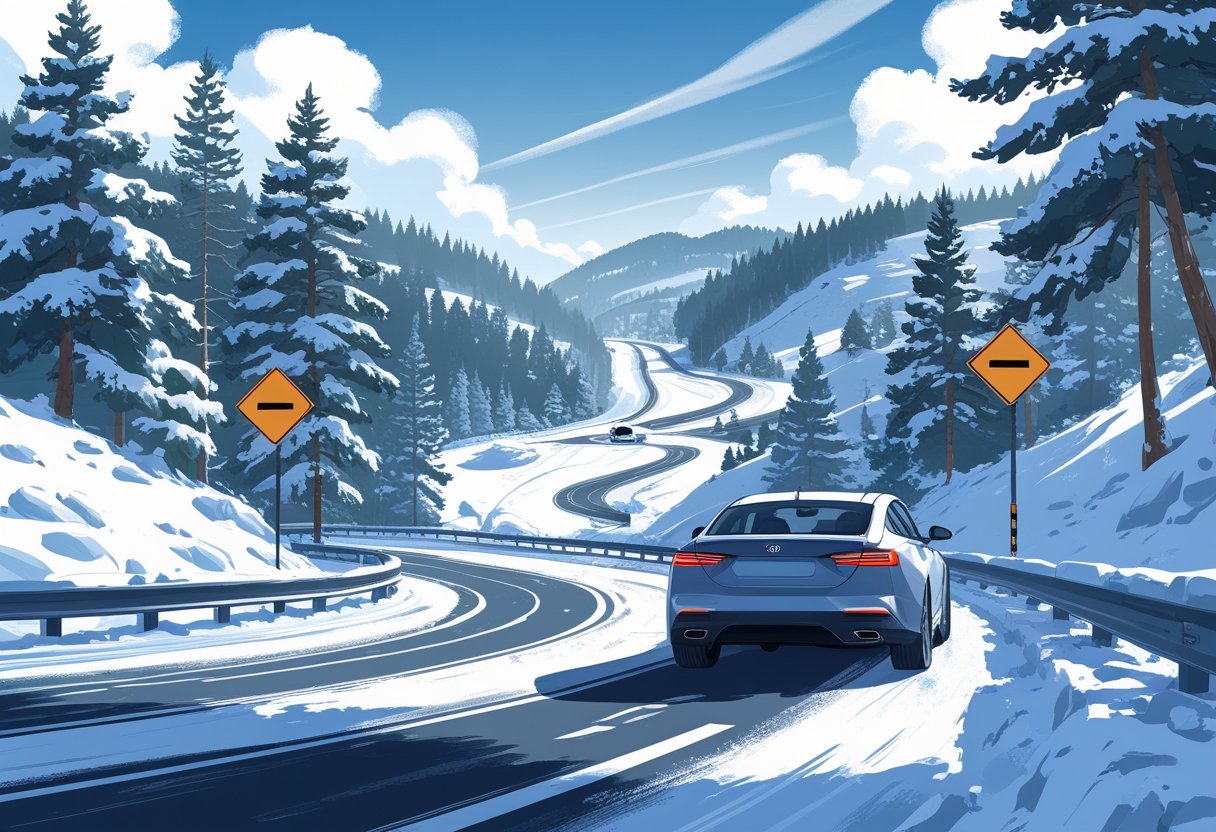
We’ve tested and compared some of the top winter driving courses across the UK from skid pan sessions to advanced control training to help you choose one that fits your needs and schedule. Whether you’re a new driver, a bit out of practice, or just want to sharpen your reactions, we’ll guide you through what to expect and how to get started. Think of us as your friendly co-driver, here to make winter driving less stressful and a lot more manageable.
Key Takeaways
- Learn which winter driving course best improves control and confidence
- Discover who benefits most from intensive winter training
- Understand what to expect and how to book the right course for you
Who This Course Is For
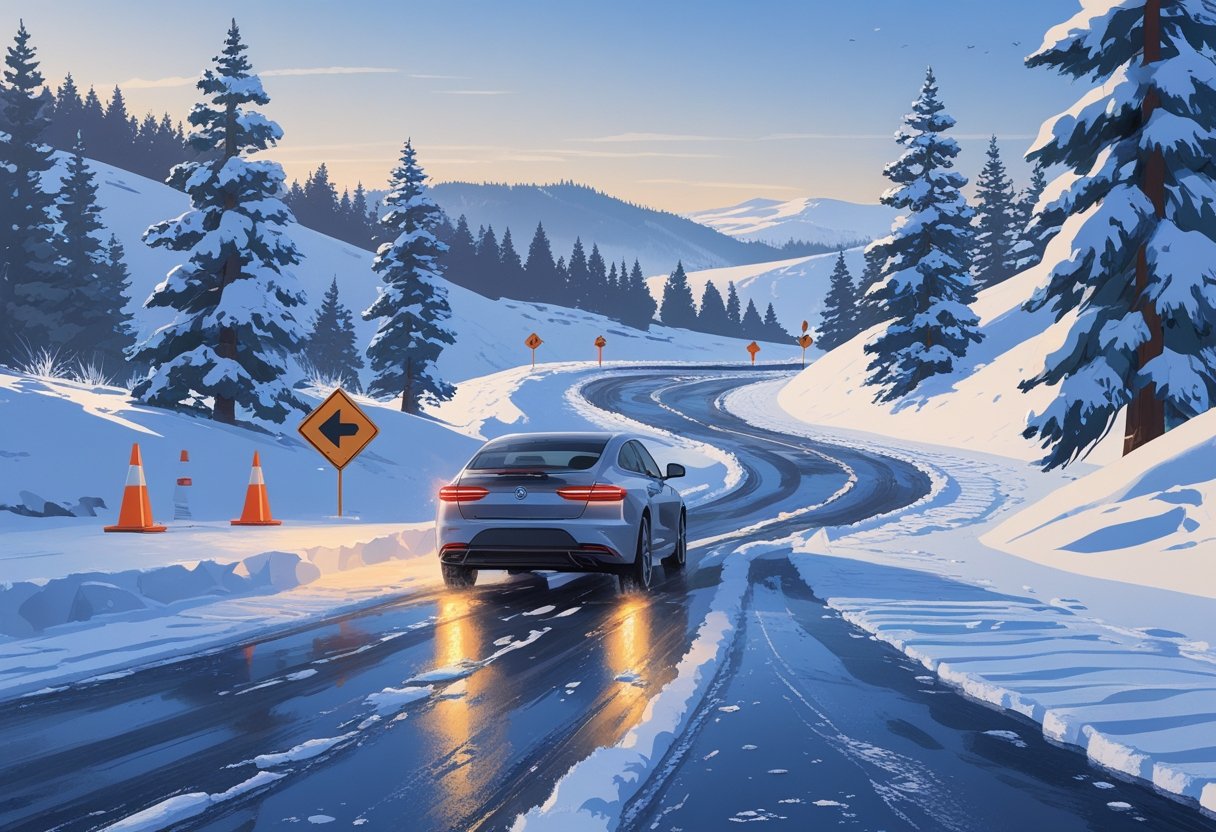
We designed our winter driving course for anyone who wants to feel calm and confident when the roads turn frosty. Whether you’re new to driving or have years behind the wheel, a bit of extra training never hurts especially when black ice is lurking under that “harmless” layer of snow.
If you’re a commuter, a company car driver, or someone who lives in a rural area where roads don’t always get gritted, this course is right up your street. We focus on real-world skills that help you stay in control when conditions get slippery.
Perfect for:
| Type of Driver | Why It Helps |
|---|---|
| New drivers | Builds confidence and teaches safe habits early on |
| Experienced motorists | Sharpens reaction times and refreshes winter techniques |
| Fleet and company drivers | Reduces accident risk and improves safety awareness |
| Rural or remote drivers | Prepares for snow, ice, and limited visibility |
We also welcome anyone who simply wants to understand how their car behaves in cold weather. You’ll learn how to handle a skid, brake smoothly on ice, and prepare your vehicle before heading out.
Think of it as giving yourself a handy safety upgrade no drama, no showing off, just practical skills that make winter driving far less stressful. And yes, we promise not to make you do donuts in the car park (unless it’s part of the lesson).
Why An Intensive Course Works Best
We know winter driving can make even the calmest driver grip the wheel a bit tighter. That’s why an intensive driving course can be such a smart move it helps you build confidence quickly while the skills stay fresh in your mind.
Instead of spreading lessons over months, we pack focused training into a few solid days. You’ll spend more time behind the wheel, practising real techniques for snow and ice rather than trying to remember what you learned last week.
Benefits of an intensive course:
- Consistency: Daily lessons help you learn faster and retain more.
- Confidence: Regular practice in winter conditions makes reactions feel natural.
- Convenience: You can fit it into one week instead of dragging it out over months.
We like to think of it as a fast-track to safe winter driving without cutting corners. You’ll get hands-on experience with braking, cornering, and handling skids on slippery roads.
| Focus Area | What You’ll Practise | Why It Matters |
|---|---|---|
| Braking on ice | Gentle, controlled stops | Prevents skidding and loss of control |
| Steering on snow | Smooth, steady turns | Keeps traction and stability |
| Vehicle prep | Checking tyres, fluids, and visibility | Ensures your car’s ready for the cold |
Think of it as a week of focused learning that turns winter driving from stressful to steady. We’ll guide you every step of the way and maybe share a few laughs while we’re at it.
Common Challenges For Anxious Drivers & How We Help
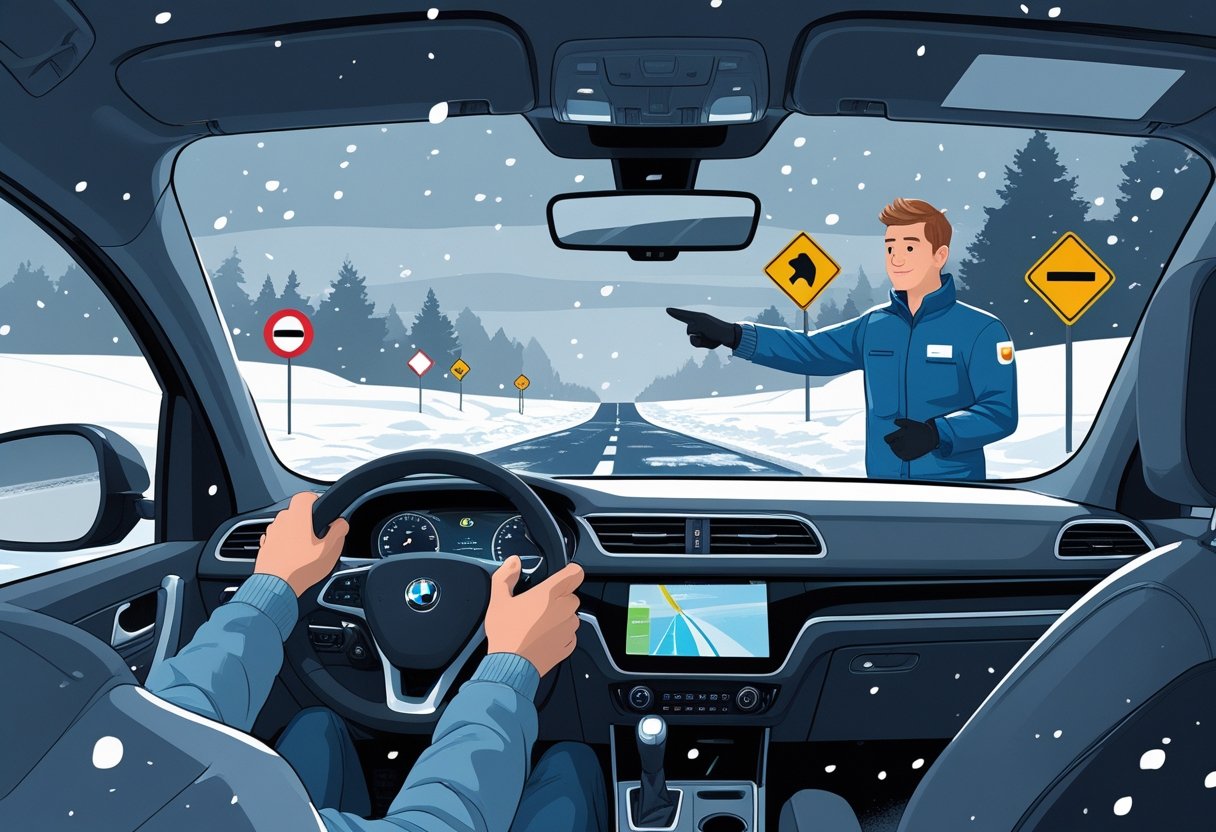
Feeling nervous behind the wheel is far more common than most people think. We’ve taught plenty of learners who’ve worried about stalling, icy roads, or other drivers honking a bit too eagerly. The good news? With the right support and a calm approach, those nerves soon fade.
Typical worries we see include:
- Losing control on slippery roads
- Holding up traffic or being judged by others
- Forgetting key steps during lessons or tests
- Driving alone for the first time
We tackle these fears with patience and practical coaching. Our instructors stay calm, explain each step clearly, and never rush you. We encourage short, focused sessions so you can build confidence gradually no pressure, no panic.
| Challenge | How We Help |
|---|---|
| Fear of icy roads | We practise safe braking and steering on quiet routes, showing how to handle skids calmly. |
| Test-day nerves | We use relaxation techniques and mock tests to make the real thing feel familiar. |
| Confidence dips | We celebrate small wins and remind you how far you’ve come progress counts! |
We believe confidence grows from experience, not perfection. Each lesson gives you more control, more skill, and less worry. And yes, we’ll even remind you to breathe when the snow starts falling that one’s on the house.
What To Expect From The Course
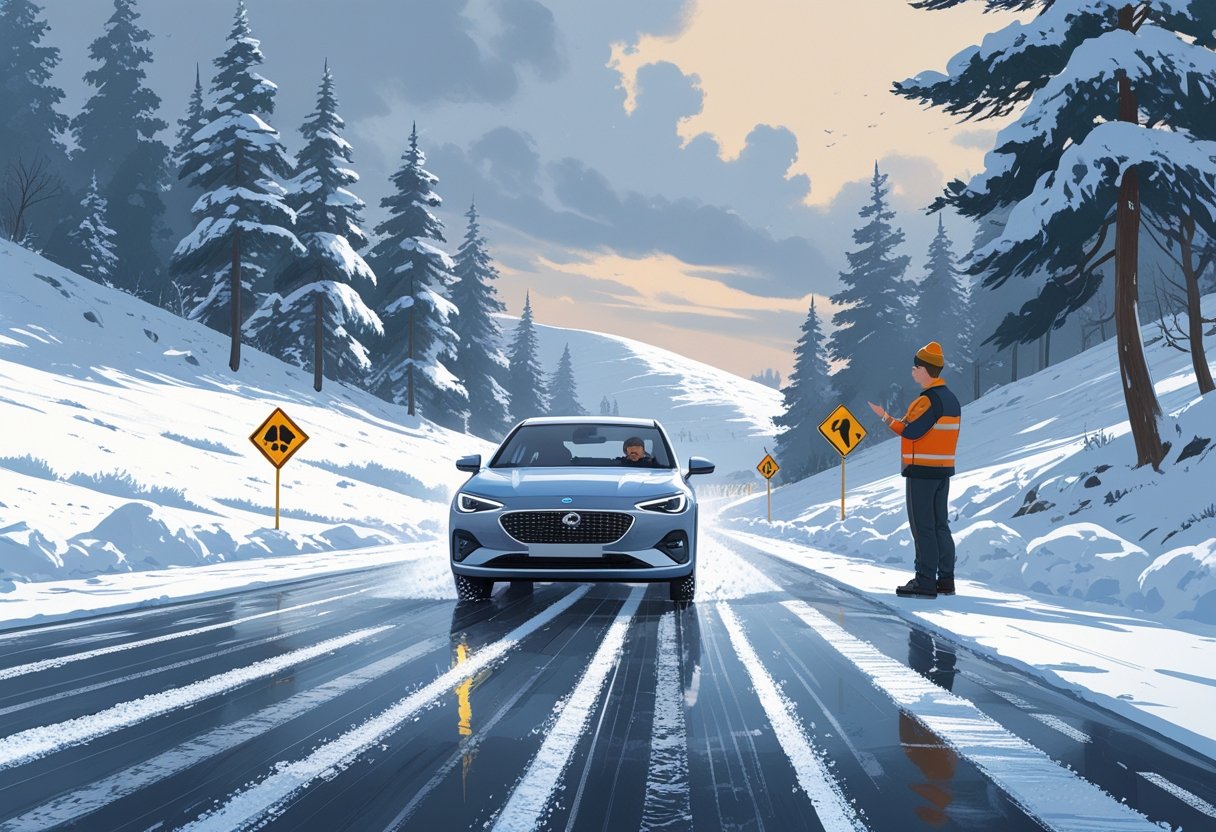
We’ll start with the basics getting to know how your car behaves on slippery roads. You’ll learn how to stay calm when the tyres start to lose grip and how to steer smoothly when driving on icy roads. It’s all about building confidence, not nerves.
Our instructors guide you through safe braking and cornering techniques. You’ll practise handling black ice and learn how to spot it before it catches you out. We’ll also cover how winter tyres make a real difference when driving in snow or frost.
Here’s a quick look at what’s usually included:
| Activity | Focus | Duration |
|---|---|---|
| Vehicle check | Preparing your car for winter road conditions | 15–20 mins |
| Skid control | Recovering from slides on icy roads | 30–45 mins |
| Braking drills | Managing stopping distances on slippery roads | 20–30 mins |
| Real-road practice | Applying techniques in real traffic | 1–2 hours |
Expect a mix of short theory sessions and plenty of hands-on driving. We’ll keep things relaxed, with time for questions and a laugh or two because learning works best when you’re enjoying yourself.
By the end, you’ll know how to handle your car in snow and ice with steady control and a clear head. We’ll help you feel ready for whatever winter throws your way.
How To Book Your Intensive Driving Course
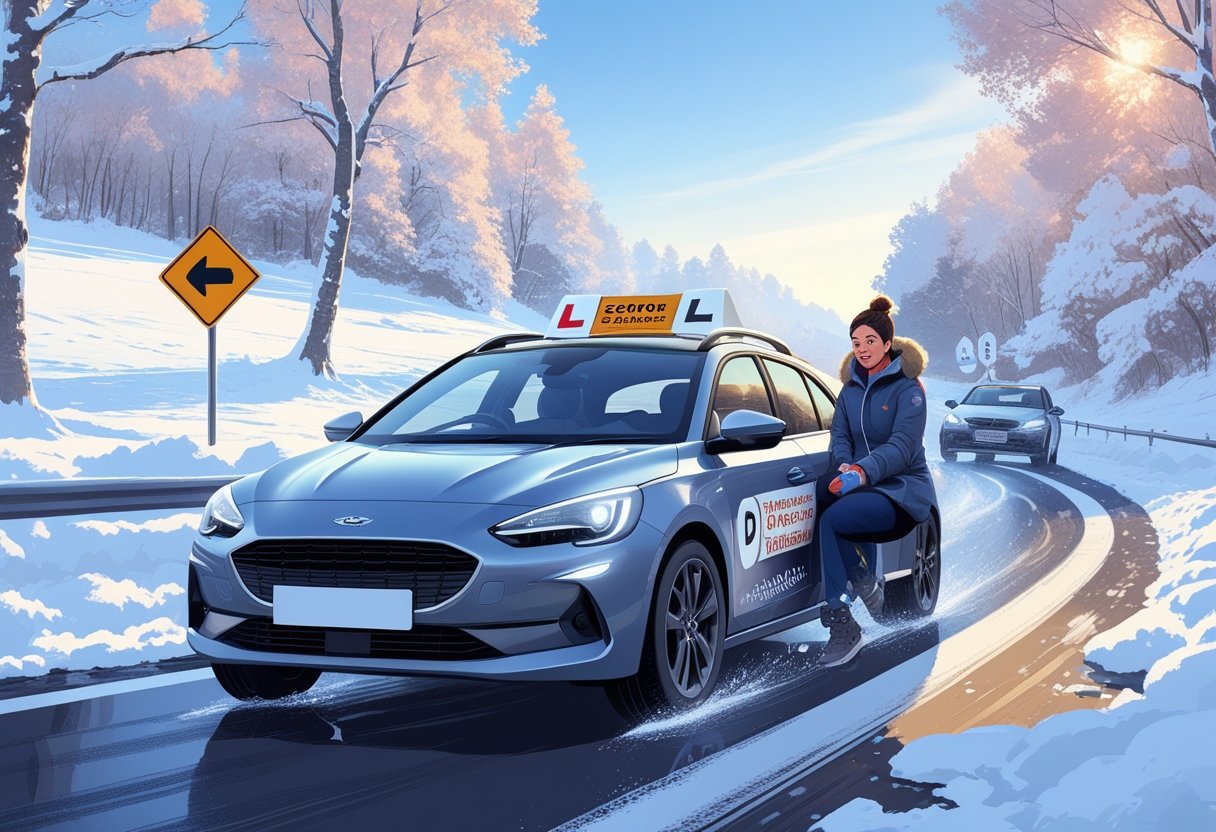
Booking your intensive driving course is simple, no need for complicated forms or endless calls. We’ve made it quick so you can get on the road (safely) without the faff.
Start by choosing the type of course that fits your needs. For winter or low‑traction training, look for options that include skid pan sessions or winter‑specific instruction. These help you gain confidence on icy or snowy roads.
Next, check the location and availability. Many providers, like Drivers Domain UK, offer lessons anywhere in the country, while others such as Goodwood or Drive‑Tech hold sessions at specific circuits. Pick what’s most convenient for you or make a day of it somewhere new.
Here’s a quick look at what to expect when booking:
| Step | What To Do | Tip |
|---|---|---|
| 1 | Select your course type | Choose winter or skid‑pan options for icy‑road practice |
| 2 | Confirm location | Check travel distance and parking availability |
| 3 | Pick your date | Weekdays often have better availability |
| 4 | Book and pay online | Most sites accept secure card payments |
| 5 | Get your confirmation | Save the email and check arrival instructions |
Finally, don’t forget to bring your driving licence, comfy shoes, and a calm head. We’ll handle the rest and maybe even throw in a few friendly pointers before you hit the ice (figuratively, of course).
Final Thoughts
We know winter roads can test anyone’s nerves. Between the icy corners and surprise patches of slush, it’s easy to see why confidence behind the wheel matters. That’s where proper training comes in a few hours of guided practice can make all the difference when conditions turn tricky.
Each course we’ve looked at offers something useful. Some focus on skid control and braking techniques, while others teach vehicle preparation and hazard awareness. Here’s a quick comparison to help you decide what suits you best:
| Course | Focus Area | Typical Duration | Price Range |
|---|---|---|---|
| Drive-Tech Winter Course | 4×4 handling, skid pan | Several hours | £149–£299 |
| Drivers Domain UK | On-road winter skills | 3.5 hours | £320 |
| Goodwood Spin & Slide | Car control, spin recovery | 1 hour | £149 |
| IAMRoadSmart | Advanced all-weather driving | 6–12 sessions | £200 |
| RED Skid Pan | Skid recovery, aquaplaning | 1.5 hours | £115 |
We’d say go for the one that fits your car, your confidence level, and your calendar. Even a short session can sharpen your reactions and help you stay calm when the road gets slippery.
So, let’s face it, we can’t control the weather, but we can control how we handle it. A bit of training now means fewer white-knuckle moments later. We’ll guide you through it, step by step, until winter driving feels second nature.
Frequently Asked Questions
We know winter driving can test even the calmest of drivers. From spotting a top-notch course to keeping your cool when the roads look like a skating rink, we’ve got your back with clear, practical advice that’ll help you stay safe and confident behind the wheel.
What are the top tips for handling your motor when the roads are more slippery than a bar of soap in the bath?
Ease off the accelerator and steer gently, smooth movements keep your tyres gripping rather than sliding. Keep a bigger gap between you and the car ahead, and avoid sudden braking.
We always say: slow and steady wins the traction race. A lower gear helps you stay in control, especially when going downhill.
How can you tell if a driving course will really prep you for a wintery mix-up on the motorway?
Look for courses that include hands-on training in snow and ice, not just classroom theory. A proper winter driving course should cover braking techniques, skid control, and vehicle maintenance for cold weather.
If a course includes practical sessions and uses real or simulated icy conditions, you’re on the right track.
What should you look for in a driving instructor to ensure they’re not just a fair-weather friend?
Choose an instructor who’s qualified, calm under pressure, and experienced in teaching winter driving. They should explain things clearly and adapt to your pace.
A good instructor doesn’t just teach you to pass a test they help you build confidence for all seasons, especially the frosty ones.
Where can you find the most comprehensive courses for driving in conditions that make you want to stay in bed?
We recommend starting with official or accredited providers like the DVSA’s Guide to Winter Driving or reputable schools that offer specific snow and ice modules.
These courses often include online learning mixed with practical sessions, so you can learn the theory before testing your skills safely on the road.
Can learning to drive on ice actually be a giggle while still being safe and sound?
Absolutely. With the right instructor and a safe environment, practising skid control can feel more like a challenge than a chore.
We keep it light but focused a bit of fun helps you relax, which actually makes you a better, safer driver.
What’s the secret to staying cool as a cucumber when the roads are throwing a snowy tantrum?
Preparation is everything. Keep your car winter-ready, plan your route, and give yourself extra time. If things get dicey, breathe, slow down, and trust what you’ve learned.
Confidence comes from practice and that’s exactly what a good winter driving course gives you.