

Can You Learn to Drive Before You Turn 17? A Motivating Guide to Starting Early
Many eager young drivers wonder if they can get behind the wheel before hitting that magic age of 17. The good news is that whilst you’ll need to wait until 17 for proper road driving, there are actually several brilliant ways to start your driving journey earlier.
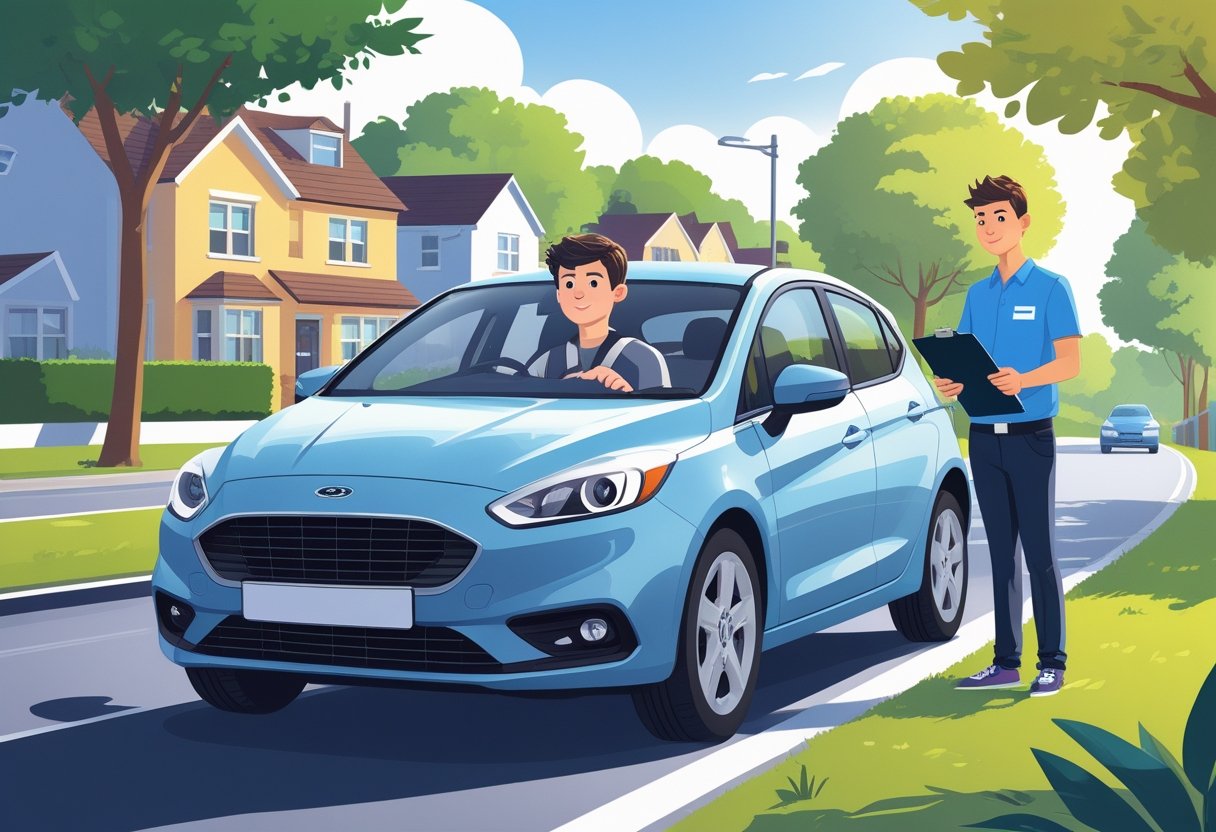
You can apply for your provisional licence at just 15 years and 9 months old, and there are fantastic off-road learning opportunities available for younger drivers through specialist programmes and private land practice. This means you don’t have to wait around twiddling your thumbs until your 17th birthday rolls around.
We’ll walk you through everything from the legal requirements and age restrictions to the exciting options available for under-17s, plus all the essential steps you’ll need to take once you’re ready to hit the roads properly. Whether you’re chomping at the bit to start learning or just planning ahead, understanding your options early can set you up for driving success and help you feel more confident when you do take those first proper lessons.
Legal Age To Start Learning To Drive In The UK
Most people in the UK can begin learning to drive at 17, though certain circumstances allow you to start earlier with government support payments. You’ll need to apply for your provisional driving licence before taking any lessons or getting behind the wheel.
Minimum Age Requirements For Driving Cars
17 years old is the standard legal age to start driving cars in the UK. This applies across England, Scotland, Wales, and Northern Ireland.
You can actually apply for your provisional licence when you’re 15 years and 9 months old. This gives you time to sort out the paperwork before your 17th birthday arrives.
Once you hit 17, you’re free to:
- Book driving lessons with an approved instructor
- Practice with family or friends (as long as they meet the legal requirements)
- Drive during any time of day or night
- Take your theory and practical tests
The beauty of starting at 17 means you can begin your driving journey whilst still at college or sixth form. Many of our learners find this timing works brilliantly for building confidence before university or starting work.
Exceptions: Early Start With Personal Independence Payment
If you receive the enhanced rate mobility component of Personal Independence Payment (PIP), you can start learning to drive at 16 years old.
This exception recognises that some young people need greater independence due to their circumstances. The same rules apply as for 17-year-olds – you’ll still need your provisional licence and proper supervision.
You can drive the same vehicles and follow identical learning rules. There’s no difference in the tests you’ll take or the skills you’ll need to master.
This early start can make a huge difference to your independence and confidence. We’ve seen many 16-year-old learners thrive with this opportunity.
Applying For Your Provisional Driving Licence
Your provisional driving licence is your golden ticket to start learning. Without it, you legally cannot get behind the wheel of any car.
You can apply online through the DVLA website or by post using form D1. The online method is usually faster and more convenient.
What you’ll need:
- Valid UK passport or other identity documents
- National Insurance number
- UK addresses where you’ve lived for the last three years
- £34 application fee
The process typically takes 1-3 weeks for online applications. Postal applications can take longer, so we always recommend applying online if possible.
Remember to check your licence carefully when it arrives. Any mistakes need correcting before you can start your lessons properly.
Under 17 Driving Lessons: What Are Your Options?
Several excellent pathways exist for young people eager to get behind the wheel before their seventeenth birthday. These range from structured off-road programmes to intensive week-long courses, each offering unique benefits for developing essential driving skills in safe environments.
Off-Road And Private Land Experiences
We’ve discovered that off-road driving experiences offer brilliant opportunities for young learners. Many companies across the UK provide these sessions at private venues like disused airfields or purpose-built tracks.
Young Driver runs programmes at over 40 locations nationwide. They welcome children as young as 10 years old, provided they can reach the pedals safely. Sessions typically last 30 or 60 minutes with qualified instructors.
The Under 17 Car Club (U17CC) operates differently. For £295 annually, members access weekly driving sessions at various venues. This charity focuses on road safety education whilst building real driving competence.
Drive B4 U Turn 17 offers lessons in Hampshire, Surrey, and West Sussex. They accept learners from age 10 upwards in dual-control vehicles similar to Ford Fiestas.
| Programme | Age Range | Cost | Frequency |
|---|---|---|---|
| Young Driver | 10-17 years | £39-79 per lesson | One-off sessions |
| U17CC | 11-17 years | £295/year | Weekly meetings |
| Drive B4 U Turn 17 | 10-17 years | Varies | Flexible booking |
Most venues use proper training cars with dual controls. This means instructors can intervene safely if needed.
How Driving Schools Teach Under 17s
Approved driving instructors adapt their teaching methods for younger learners. We’ve noticed they focus heavily on building confidence alongside technical skills.
Lessons typically begin with basic car controls. Young drivers learn about the clutch, accelerator, and steering in a relaxed setting. There’s no pressure from other road users or traffic lights.
Many programmes use graduated learning systems. The U17CC, for instance, awards six different grades as students progress. This helps track development and maintains motivation.
One-to-one instruction remains standard practice. Your child receives individual attention from qualified professionals. Some programmes encourage parents to accompany their youngsters, strengthening family bonds through shared learning.
Practical skills often include:
- Vehicle control at low speeds
- Steering techniques and spatial awareness
- Basic manoeuvres like reversing
- Emergency procedures such as controlled braking
Theory elements cover road signs, hazard awareness, and traffic rules. This combination ensures comprehensive preparation for eventual road driving.
Pros And Cons Of Starting Early
Starting driving lessons before 17 brings significant advantages. Research from the U17CC suggests their members are four times less likely to crash during their first year of qualified driving.
Early learning builds genuine confidence. Young people develop muscle memory and spatial awareness without road pressures. They’re often more receptive to instruction and less anxious about making mistakes.
Financial considerations vary considerably. One-off experiences cost £40-80 per session. Annual memberships like U17CC represent better value for regular practice, though the upfront cost seems substantial.
However, we must acknowledge potential drawbacks. Some young people lose interest before reaching 17. Others become overconfident, assuming they’re ready for roads immediately.
Parental involvement proves crucial for success. Many programmes expect parents to participate actively. This requires time commitment and patience from busy families.
The biggest limitation remains legal restrictions. No amount of off-road practice permits under-17s to drive on public roads. Young drivers must still complete standard lessons and pass official tests after their seventeenth birthday.
Starting Your Driving Journey: The Step-By-Step Process
Learning to drive involves three essential steps that’ll set you up for success on the road. You’ll need to secure your provisional licence first, then prepare properly for those crucial early lessons, and finally choose the right instructor to guide your progress.
Getting Your Provisional Licence Sorted
Your provisional driving licence is your golden ticket to getting behind the wheel, and you can actually apply for it earlier than you might think. The brilliant news is that you’re allowed to submit your application up to three months before your 17th birthday.
This means if you’re turning 17 in March, you could apply as early as December. Smart planning like this puts you ahead of the game.
Key requirements for your provisional licence:
- Be at least 15 years and 9 months old when applying
- Read a number plate from 20 metres away (glasses or contacts are fine)
- Have permission to live in Great Britain for at least 185 days per year
The application process is refreshingly straightforward. You can apply online through the DVLA website or use the traditional paper form if you prefer.
Online applications typically arrive within a week, whilst postal applications take up to three weeks. The cost is £34 online or £43 by post, so the digital route saves you both time and money.
Once your provisional licence arrives, double-check all the details are correct. Any mistakes could cause headaches later when booking your theory or practical tests.
Preparing For Your First Lesson
Before you slide into the driver’s seat for the first time, there’s some groundwork that’ll make your initial lesson far more productive. Think of this preparation as laying solid foundations for your driving skills to flourish.
Start reading the Highway Code well before your first lesson. You don’t need to memorise every detail, but understanding basic road signs and rules gives you confidence from day one.
Essential pre-lesson preparation:
- Study the Highway Code basics
- Familiarise yourself with common road signs
- Watch driving videos online to see techniques in action
- Get comfortable with the theory behind steering, mirrors, and indicators
Many learner drivers feel nervous about their first lesson, and that’s completely normal. Your approved driving instructor expects this and will start with simple exercises in quiet car parks or empty roads.
Consider what you want to achieve in your early lessons. Some people prefer to master car controls first, whilst others want to get onto quiet roads quickly. Chat with your instructor about your learning style and any concerns.
Having realistic expectations helps too. Nobody becomes a skilled driver overnight, and even simple manoeuvres like reversing take practice to master smoothly.
Choosing The Right Driving Instructor Or School
Finding the perfect driving instructor can make or break your learning experience, so it’s worth investing time in this decision. The right match will boost your confidence and help you develop solid driving skills efficiently.
Always choose an approved driving instructor with that green badge displayed in their windscreen. This badge proves they’ve passed rigorous training and maintain professional standards.
What to look for in a driving instructor:
- Current ADI (Approved Driving Instructor) certification
- Patient, encouraging teaching style
- Good local pass rates
- Flexible lesson times that suit your schedule
- Clean, well-maintained dual-control car
Ask potential instructors about their teaching approach during initial conversations. Some focus heavily on exam technique, whilst others emphasise building genuine road confidence. Choose someone whose style matches your learning needs.
Personal recommendations from friends or family members often lead to excellent matches. However, remember that different personalities click with different teaching styles, so what worked for your mate might not suit you.
Many instructors offer a trial lesson at a reduced rate. This gives you a chance to assess their communication style and see if you feel comfortable with their approach before committing to a full course of lessons.
Insurance, L Plates, And The Rules For Learner Drivers
Getting your paperwork sorted and understanding the legal requirements sets you up for success on the road. We’ll walk you through everything from choosing the right insurance cover to displaying your L plates properly and finding qualified supervision.
Why Learner Driver Insurance Matters
Learner driver insurance protects you, your supervisor, and other road users when you’re practising. You absolutely cannot drive without proper cover – it’s not just illegal, it could land you with hefty fines and six penalty points before you’ve even passed your test.
You’ve got several options to consider. Temporary learner insurance works brilliantly if you’re borrowing someone else’s car occasionally. These short-term policies run from just one hour up to several months.
Adding yourself to a family member’s existing policy as a named driver often works out cheaper for regular practice. However, some standard car insurance policies exclude learner drivers completely, so we recommend checking the small print carefully.
If your family owns the practice car, annual learner policies might offer the best value. These typically cost between £1,000 and £2,500 depending on your age and location.
Important note: Some learner insurance policies restrict night-time driving or have curfews. Double-check these details with your insurer – you don’t want any nasty surprises if you fancy an evening practice session.
Displaying L Plates Correctly
L plates aren’t just a suggestion – they’re a legal requirement that keeps you safe and helps other drivers understand you’re still learning. These distinctive red and white squares must be clearly visible from both the front and rear of your vehicle.
Position your plates where they won’t obstruct your view or important car features like lights or number plates. The windscreen and rear window work perfectly, though many learners prefer magnetic plates on the car’s bodywork.
Make sure your plates are clean and undamaged. Tatty or faded L plates can actually result in fines, so replace them when they start looking worse for wear.
Top tip: Remove or cover your L plates when a fully qualified driver uses the car. Driving with L plates when you don’t need them is technically illegal and might confuse other road users.
Supervision Requirements And Safety
Your supervisor plays a crucial role in keeping you safe whilst you’re learning. They must be at least 21 years old and hold a full driving licence for the type of vehicle you’re driving.
Most importantly, your supervisor needs at least three years of driving experience. This isn’t just red tape – experienced drivers spot potential hazards much quicker and can guide you through tricky situations.
Your supervisor takes legal responsibility for ensuring you follow traffic laws and display L plates correctly. They’re essentially your co-pilot, so choose someone patient who won’t panic under pressure.
Key supervisor responsibilities include:
- Ensuring you stick to speed limits (45mph in Northern Ireland, standard limits elsewhere)
- Helping plan safe practice routes
- Being ready to take control in emergencies
- Making sure you avoid motorways (unless with an approved instructor in a dual-control car)
We recommend practising with different supervisors if possible. Each brings their own driving style and experience, which helps build your confidence in various situations.
Taking The Next Steps: Theory And Practical Driving Tests
Once you’ve got your provisional licence sorted, you’ll need to tackle both your theory and practical driving tests to become a fully qualified driver. The theory test must come first, and you’ll need to pass it before you can book your practical test.
Timeline For Theory And Practical Tests
You can take your theory test from age 17 (or 16 if you receive PIP mobility payments). There’s no requirement to have driving lessons before sitting your theory test, though we’d recommend getting a few lessons under your belt first.
Most driving instructors suggest taking your theory test early in your learning journey. This approach makes sense because you’ll need that theory certificate in hand before you can book your practical test.
The theory test consists of two parts: a multiple-choice section and a hazard perception test. You’ll need to pass both parts on the same day to get your certificate.
Your theory certificate stays valid for two years. This gives you plenty of time to complete your driving lessons and pass your practical test. If your certificate expires before you pass your practical test, you’ll need to retake the theory test.
Here’s a typical timeline for new drivers:
- Months 1-2: Get provisional licence, start lessons, take theory test
- Months 3-6: Continue regular lessons (aim for 45 hours minimum)
- Month 6+: Book and take practical test when you’re ready
Booking And Passing Your Practical Driving Test
You cannot book your practical driving test without a valid theory test certificate. This is a strict rule that catches some learners off guard, so make sure you’ve passed your theory first.
Your driving instructor will help you decide when you’re ready for your practical test. Don’t rush this decision – taking your test too early often leads to failure and additional costs.
The practical driving test lasts about 40 minutes and includes:
- An eyesight check
- ‘Show me, tell me’ vehicle safety questions
- Reversing manoeuvre
- Independent driving for 20 minutes
- General driving in various road conditions
Most people need around 45 hours of professional lessons plus additional private practice. New drivers who take fewer lessons are more likely to fail their first attempt.
Road safety remains the examiner’s top priority throughout your test. They’re looking for safe, confident driving rather than perfection. Minor mistakes won’t automatically fail you, but dangerous driving will.
Building Confidence For The Road
Practice makes perfect when it comes to building confidence behind the wheel. The more time you spend driving with a qualified instructor, the more prepared you’ll feel for both your test and independent driving afterwards.
Many new drivers feel nervous about their practical test. This is completely normal! Your instructor will use mock tests and challenging routes to help you prepare mentally.
Remember that your driving education doesn’t end with passing your test. The first few months as a new driver are crucial for developing your skills further. Consider taking additional lessons after passing if you feel uncertain about any aspects of driving.
Building real confidence comes from understanding road safety principles, not just memorising test routes. Focus on developing good habits during your lessons – things like proper observation, smooth vehicle control, and defensive driving techniques.
Most people pass within their first three attempts, so don’t lose heart if you don’t succeed immediately. Each attempt teaches you something valuable about your driving and helps you improve for next time.
Benefits Of Early Driving Experience
Getting behind the wheel before your 17th birthday sets you up for success in ways that go far beyond simply knowing how to operate a vehicle. Early driving experience builds lasting confidence, creates safer habits from day one, and can even save you money on insurance premiums down the road.
Boosting Confidence Behind The Wheel
There’s something magical about watching a young person’s confidence bloom as they master their first three-point turn or navigate their first roundabout. When you start learning driving skills before 17, you’re giving yourself the gift of time.
Extra practice hours mean you won’t feel rushed or overwhelmed when you finally hit public roads. Instead of cramming everything into a few months after your birthday, you can build your abilities gradually.
We’ve seen countless young drivers who started early feel more relaxed during their actual driving test. They’ve already worked through those initial nerves about steering, braking, and gear changes.
The controlled environment of private driving schools lets you make mistakes without the pressure of real traffic. You can stall the engine fifty times if you need to. Nobody’s honking at you, and there’s no queue of cars waiting behind.
Key confidence builders include:
- Getting comfortable with vehicle controls
- Understanding road positioning
- Practising manoeuvres repeatedly
- Building muscle memory for essential skills
By the time you’re legally allowed on public roads, the car feels like a familiar friend rather than a scary machine.
Developing Safer Driving Habits
Road safety isn’t something you can learn overnight, and that’s exactly why starting early makes such a difference. When you begin developing proper driving habits before 17, they become second nature.
Young brains are incredibly good at absorbing new information and forming lasting patterns. Early driving education takes advantage of this natural learning ability.
You’ll spend more time focusing on the fundamentals that keep everyone safe. Things like checking mirrors, maintaining safe following distances, and scanning for hazards become automatic responses.
Professional instructors at under-17 driving schools emphasise safety from the very first lesson. They’re not rushing you towards a test date – they’re building a foundation that will last your entire driving life.
Essential safety habits developed early:
- Proper observation techniques
- Hazard awareness and response
- Understanding stopping distances
- Smooth, controlled vehicle handling
Research shows that drivers who start learning before 17 often demonstrate better road safety awareness throughout their driving careers. They’ve simply had more time to internalise good practices.
Saving On Car Insurance And Earning A No-Claims Bonus
Here’s where early driving experience pays off in pounds and pence. Car insurance for young drivers can be eye-wateringly expensive, but starting early gives you a strategic advantage.
The sooner you begin building a no-claims bonus, the sooner you’ll see your premiums drop. Even if you’re only driving occasionally at first, those claim-free years add up quickly.
Insurance companies love seeing evidence of proper training and gradual skill development. They’d much rather insure someone who’s been learning steadily for years than someone who rushed through lessons in a few weeks.
Financial benefits of starting early:
- Earlier access to no-claims discounts
- Lower risk profile in insurers’ eyes
- More time to save for insurance costs
- Potential family policy advantages
Many parents find it easier to add a well-trained young driver to their existing policy rather than starting fresh with someone who’s just passed their test. The gradual introduction to driving shows responsibility and commitment.
Your future self will thank you when you’re paying hundreds less per year than mates who started learning at 17. That money can go towards a better car, driving holidays, or simply staying in your bank account where it belongs.
Frequently Asked Questions
Many young people wonder about starting their driving journey before turning 17, and there are actually some brilliant options available for getting behind the wheel earlier than you might think.
What’s the earliest age I can start taking driving lessons?
You can begin proper driving lessons on public roads at 17 years old with a valid provisional licence. That’s when the real adventure starts!
However, if you’re under 17, you’re not completely out of luck. Some driving schools offer lessons on private roads for younger learners. These aren’t your typical lessons, but they’re fantastic for getting familiar with the basics.
The key thing to remember is that you’ll need to wait until your 17th birthday for lessons on actual roads. But getting a head start with private instruction can give you a real advantage.
Are there any options for under-17s to begin driving practice off-road?
Absolutely! Several driving schools across the UK run special courses for under-17s on private road networks.
These programmes teach you fundamental skills like steering, clutch control, and basic manoeuvres. You’ll work with qualified instructors in a completely safe environment.
The brilliant thing about these courses is that you don’t need a provisional licence. Since you’re on private property, the usual road rules don’t apply in the same way.
Many parents find these courses incredibly valuable. Your teenager gets proper instruction rather than potentially picking up bad habits from well-meaning family members.
How does early driving experience affect confidence behind the wheel?
Starting early makes a huge difference to your confidence levels. When you finally hit public roads at 17, you’ll already know how the controls work.
We’ve seen countless students who started with off-road courses progress much faster once they begin regular lessons. They’re not wrestling with the basics whilst trying to navigate traffic.
Early experience also helps reduce those first-lesson nerves. You’ll feel more comfortable in the driver’s seat because it won’t be completely foreign territory.
This confidence boost often means fewer lessons needed overall. That’s brilliant news for your wallet and your test preparation timeline.
Can I apply for a provisional licence before my 17th birthday?
Yes, you can apply for your provisional licence up to three months before turning 17. This means you can sort out the paperwork at 16 years and nine months old.
Getting your application in early is really smart planning. You’ll have your licence ready the moment you’re legally allowed to drive on public roads.
You can apply online through the DVLA website or use a D1 form. The online application is usually quicker and more straightforward.
Having your provisional licence sorted early means you can book your first proper lesson for your 17th birthday. What a brilliant way to celebrate!
What are the benefits of a pre-17 driving course?
Pre-17 courses give you a massive head start on your driving journey. You’ll develop muscle memory for basic controls before facing real traffic situations.
These courses often include theory preparation alongside practical skills. You’ll learn about road signs, rules, and hazard awareness in a structured way.
Many programmes run for several weeks, giving you time to build skills gradually. This is much better than cramming everything into intensive lessons later.
Starting early also spreads the financial cost over a longer period. Rather than paying for lots of lessons at once, you can budget more effectively.
The confidence you’ll gain is invaluable. When you start regular lessons at 17, you’ll feel like you’ve already got a proper foundation to build upon.
What should I look for in a quality driving programme for teens?
Look for programmes that use qualified driving instructors rather than general trainers. Proper ADI certification ensures you’re learning from real professionals.
The best courses combine practical driving with theory preparation. This dual approach helps you understand not just how to drive, but why certain rules exist.
Check that they have access to proper private road networks. Car parks aren’t really sufficient for learning meaningful driving skills.
Small class sizes matter enormously. You want plenty of individual attention rather than being lost in a crowd of other learners.
Ask about their track record with previous students. Good programmes should be happy to share success stories and testimonials from past participants.
Finally, make sure the course feels welcoming and supportive. Learning to drive should be exciting, not stressful or intimidating.