

How to Insure Your First Car: A Complete Guide for New Drivers
Getting car insurance for your first vehicle can feel overwhelming, but it doesn’t have to be. New drivers face higher premiums because insurance companies see them as higher risk, but understanding the basics can help you navigate this process with confidence.
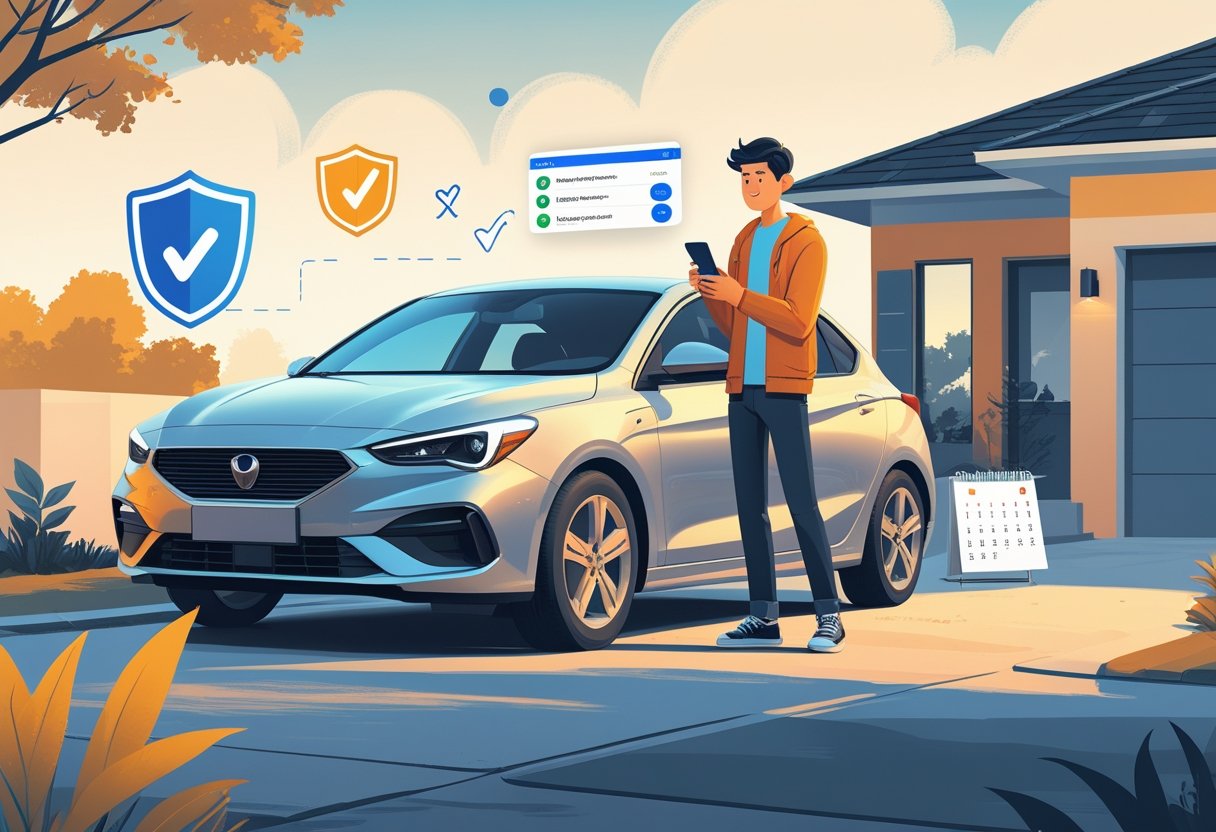
Shopping around and comparing quotes from multiple insurers is the most effective way to find affordable cover for your first car. Different companies assess risk differently, so prices can vary significantly between providers. We recommend getting quotes from at least five insurers to ensure you’re getting the best deal possible.
The key is knowing what factors affect your premium and how to present yourself favourably to insurers. Your choice of car, where you live, and even how you describe your occupation can impact costs. With the right approach, you can secure proper cover without breaking the bank.
Key Takeaways
- Compare quotes from multiple insurers as prices vary dramatically between companies
- Your car choice significantly impacts insurance costs, so research premiums before buying
- Simple steps like adding security features or choosing annual payment can reduce your premium
Understanding Car Insurance for First-Time Drivers

Getting to grips with car insurance as a new driver means understanding why it’s legally required and how different policy types protect you on the road. New drivers typically face higher premiums and unique challenges, but knowing what to expect helps you make informed decisions about your coverage.
Why Car Insurance Is Essential for New Drivers
Car insurance isn’t optional in the UK. It’s a legal requirement that protects you, other drivers, and pedestrians from the financial consequences of accidents.
If you’ve been driving with learner driver insurance, this coverage becomes invalid the moment you pass your test. You’ll need a proper policy before you can legally drive your first car on your own.
The law requires at least third-party coverage. This means your insurer pays for damage you cause to other people’s property or vehicles. Without it, you could face unlimited liability for accidents.
New drivers are statistically more likely to have accidents. Insurance companies know this, which explains why premiums seem so high at first. You’re considered a new driver for two years after passing your test, regardless of your age.
During these first two years, you’re technically on probation. Getting six or more penalty points means losing your licence entirely. This makes having proper insurance coverage even more crucial.
Beyond legal requirements, insurance gives you peace of mind. Car repairs, medical bills, and legal costs can run into thousands of pounds. Good coverage protects your finances when things go wrong.
The Basics of Car Insurance Policies
We recommend understanding three main types of car insurance before you buy your first policy.
Third-party insurance covers damage you cause to other people’s cars and property. It’s the minimum legal requirement but doesn’t protect your own vehicle.
Third-party, fire and theft adds protection if your car gets stolen or damaged by fire. This gives you slightly more coverage than basic third-party.
Comprehensive insurance covers everything above plus damage to your own car, even when accidents are your fault. It often includes extras like windscreen cover and courtesy cars.
Surprisingly, comprehensive cover often costs less than third-party policies for new drivers. Insurance companies have found that drivers choosing comprehensive coverage tend to be more careful on the road.
| Policy Type | What It Covers | Best For |
|---|---|---|
| Third-party | Other people’s cars and property | Older, lower-value cars |
| Third-party, fire & theft | Above plus theft and fire damage | Mid-range vehicles |
| Comprehensive | Everything, including your own car | Most new drivers |
Always compare quotes for all three types. The cheapest option might surprise you, and comprehensive coverage usually offers the best value for money.
Common Challenges Faced by First-Time Car Owners
New drivers face several hurdles when buying their first car insurance policy. Understanding these challenges helps you prepare and find better deals.
High premiums top the list of concerns. First-year drivers pay an average of £1,533 annually, compared to £699 for drivers with 10 years of experience. This drops significantly after your first year.
No claims bonus presents another challenge. You start with zero discount, whilst experienced drivers enjoy substantial reductions. Building this bonus takes time and careful driving.
Limited insurance history makes insurers nervous. If you were named on a parent’s policy during learning, mention this when getting quotes. Even small amounts of insurance history can reduce costs.
Car choice dramatically affects premiums. Powerful or expensive cars cost more to insure. Small, safe vehicles like the Toyota Aygo or Fiat 500 typically offer the cheapest insurance for new drivers.
Higher excess payments often catch new drivers off guard. You might need to pay £500 or more before your insurer covers claim costs. Factor this into your budget when choosing policies.
Black box insurance can help reduce costs but adds complexity. These devices monitor your driving habits and can lower premiums for safe drivers. However, poor driving scores can increase costs at renewal.
Many insurers also require new drivers to pay annually rather than monthly, creating a larger upfront cost but saving money overall.
Types of Car Insurance Policies Explained
When we’re getting ready to insure our first car, understanding the different types of cover available can feel overwhelming. The three main levels range from basic third-party cover to comprehensive protection, whilst specialist policies like black box insurance and learner driver cover offer tailored solutions for new drivers.
Third-Party, Fire and Theft Versus Comprehensive Cover
Third-party only (TPO) represents the absolute minimum legal requirement for driving in the UK. This basic cover protects other people and their property if we cause an accident, but it won’t pay a penny towards repairing our own car.
Third-party, fire and theft (TPFT) builds on TPO by adding protection if our car gets stolen or damaged by fire. However, it still leaves us completely exposed if we accidentally crash into a lamp post or another vehicle.
Comprehensive cover gives us the full package. It includes everything from TPFT plus covers damage to our own car, even when the accident is our fault. Most comprehensive policies also include extras like windscreen cover and courtesy cars.
Here’s what we get with each type:
| Cover Type | Damage to Others | Your Car Damage | Fire & Theft | Windscreen |
|---|---|---|---|---|
| Third-Party Only | ✓ | ✗ | ✗ | ✗ |
| TPFT | ✓ | ✗ | ✓ | ✗ |
| Comprehensive | ✓ | ✓ | ✓ | ✓ |
The surprising truth: Comprehensive cover often costs the same as (or even less than) basic third-party policies. Insurance companies know that drivers who choose comprehensive cover tend to be more cautious, so they reward us with better prices.
Black Box Car Insurance: How Telematics Work
Black box car insurance uses a small device fitted to our car or a smartphone app to monitor how we drive. The technology tracks our speed, braking habits, cornering style, and the times of day we’re on the road.
How it benefits new drivers: Young drivers typically face sky-high premiums because insurers see us as high-risk. With black box insurance, we can prove we’re safe drivers and earn significant discounts on our premiums.
The telematics device records data every time we drive. If we consistently demonstrate good driving habits (smooth acceleration, gentle braking, staying within speed limits), our insurer rewards us with lower renewal prices or even mid-term discounts.
What insurers look for:
- Staying within speed limits
- Smooth, gradual braking
- Avoiding late-night driving
- Taking corners carefully
- Limiting harsh acceleration
Most black box policies include a driving score or feedback system through an app. We can check our progress and see exactly where we’re excelling or need improvement.
The trade-off: We need to accept some restrictions, such as curfews (typically 11pm to 5am) and mileage limits. However, for many new drivers, the potential savings of 20-40% on premiums make these limitations worthwhile.
Specialist Insurance for Learners and Students
Learner driver insurance protects us whilst we’re practising with friends or family members. Rather than being added to someone else’s policy as a named driver, we get our own temporary cover that doesn’t affect the car owner’s no-claims bonus.
This type of cover typically runs from 1 to 180 days and costs between £20-40 per week. It’s particularly valuable because if we have an accident during practice, the claim goes against our temporary policy, not our instructor’s or parent’s main insurance.
Student car insurance recognises that university life creates unique driving patterns. We might only use our car during holidays, store it at university for months, or share driving responsibilities with flatmates.
Many insurers offer flexible policies for students, including:
- Reduced premiums during term time when the car isn’t used
- Cover for driving friends’ cars (with their permission)
- Discounts for students with good academic records
- Options to suspend cover during extended periods abroad
Key tip for students: If we’re studying away from home, we must tell our insurer about both our university and home addresses. Using the wrong address could invalidate our cover completely.
Some student policies also include driving other cars extension, which provides basic third-party cover when we occasionally drive a friend’s vehicle with their permission.
What Affects the Cost of Your First Car Insurance?
The price you’ll pay for your first car insurance depends on several key factors that insurers use to calculate risk. Your car’s insurance group rating determines much of the base cost, while your driving experience (or lack thereof) significantly impacts premiums, and avoiding illegal practices like fronting is crucial for valid coverage.
Insurance Groups and How They Impact Premiums
Every car sold in the UK falls into one of 50 insurance groups, ranging from group 1 (the cheapest to insure) to group 50 (the most expensive). The Association of British Insurers helps set these groups based on factors like repair costs, security features, and performance.
Insurance group 1 cars are perfect for new drivers. These typically include small city cars with modest engines, like the Volkswagen Up! or Fiat Panda.
Cars in low insurance groups (1-10) offer the best chance of affordable premiums. They’re usually:
- Small engine size (1.0-1.2 litres)
- Inexpensive to repair
- Less likely to be stolen
- Slower acceleration
Moving up the groups dramatically increases costs. A group 20 car might cost twice as much to insure as a group 5 vehicle.
We always recommend checking a car’s insurance group before buying. Even similar-looking cars can sit in very different groups based on their specifications.
The Value of Driving Experience and No Claims Discount
Driving experience is perhaps the biggest factor affecting your car insurance cost. New drivers aged 18-20 pay an average of £972 annually, while those aged 26-30 pay around £502.
Insurance companies view inexperienced drivers as higher risk because statistics show they’re more likely to have accidents. This isn’t personal, it’s simply how the industry calculates premiums.
Your no claims discount becomes valuable after your first year of claim-free driving. This discount grows each year you don’t make a claim:
- 1 year: 30% discount
- 2 years: 40% discount
- 3+ years: 50%+ discount
Building this discount takes patience, but it’s one of the most effective ways to reduce future premiums. Even a minor bump in your first year can reset this valuable discount.
Consider black box insurance to prove you’re a careful driver. Good driving behaviour can earn discounts even without years of experience.
Fronting: Why It’s Illegal and How to Avoid It
Fronting happens when someone pretends to be the main driver to get cheaper insurance, whilst actually being a named driver. This is fraud and can void your entire policy.
Common fronting scenarios include:
- Parents insuring a car in their name when their child is the main user
- Listing an experienced driver as main when a new driver does most of the driving
- Understating how much a high-risk driver actually uses the vehicle
The consequences are severe. If caught fronting, you could face:
- Policy cancellation with no refund
- Difficulty getting future insurance
- Criminal charges for fraud
- No coverage if you have an accident
The legal alternative is adding an experienced driver as a genuine named driver on your policy. This can reduce premiums because insurers see reduced risk when responsible drivers share vehicle use.
Always be honest about who the main driver is. We know insurance is expensive for new drivers, but fronting isn’t worth the massive risks involved.
Choosing the Cheapest Cars to Insure
When you’re hunting for your first car, picking a model from low insurance groups can slash your premiums dramatically. The safest city cars with strong Euro NCAP ratings typically offer the best value, while certain features can push costs up or down significantly.
Top City Cars with Low Insurance Ratings
The Hyundai i10 sits at the top of our list, landing in insurance group 1 with its 1.0-litre automatic version. This makes it one of the absolute cheapest cars to insure for new drivers.
The Toyota Aygo X follows closely behind in group 5. Toyota redesigned this popular city car with a mini-SUV look, but it keeps the low running costs that made the original Aygo so popular.
Don’t overlook the Volkswagen Polo either. Despite the Ford Fiesta disappearing from showrooms in 2023, the Polo remains a solid choice in insurance group 3. Its refined driving experience feels more grown-up than most city cars.
The Kia Picanto offers brilliant value in group 4. You get Kia’s impressive seven-year warranty, which provides extra peace of mind for first-time buyers.
Other standout options include the Skoda Fabia (group 4) and the classic Fiat 500 (group 10). The Volkswagen Up has sadly been discontinued, but used examples still offer fantastic insurance savings.
Comparing Popular Models for First-Time Drivers
Let’s break down how these models stack up against each other:
| Car Model | Insurance Group | Key Benefits |
|---|---|---|
| Hyundai i10 | 1-2 | Lowest premiums, reliable |
| VW Polo | 3 | Premium feel, excellent safety |
| Skoda Fabia | 4 | Spacious interior, clever features |
| Kia Picanto | 4 | Seven-year warranty, good tech |
| Toyota Aygo X | 5 | Fun styling, strong reliability |
The Toyota Aygo X brings modern safety kit like adaptive cruise control, even in base trim. This sets it apart from older city car designs.
The Seat Ibiza presents an interesting alternative. While it doesn’t make the very lowest groups, it offers more space and power than typical city cars.
Skoda Fabia owners benefit from the brand’s ‘Simply Clever’ touches. These include handy storage solutions and practical design elements that make daily driving easier.
Price differences between these models can be significant. The Kia Picanto often undercuts rivals on purchase price, whilst the VW Polo commands a premium for its build quality.
Importance of Safety Features and Euro NCAP Ratings
Euro NCAP ratings play a huge role in determining insurance groups. Cars with five-star ratings typically enjoy lower premiums because insurers see them as safer bets.
The Volkswagen Polo and Skoda Fabia both earned five-star Euro NCAP scores. Their excellent crash protection helps keep them in low insurance groups despite being larger than some rivals.
Modern safety features can reduce your premiums further. Look for cars with:
- Automatic emergency braking
- Lane departure warning
- Electronic stability control
The Toyota Aygo X impresses with its safety kit. You get advanced driver assistance features that were once reserved for expensive cars.
Some older models like the Fiat 500 suffer from outdated safety ratings. This pushes them into higher insurance groups despite their small size and low power.
The Kia Picanto only achieved three stars in Euro NCAP testing. This explains why it sits in a higher group than the mechanically similar Hyundai i10.
We always recommend checking the latest Euro NCAP scores before making your final decision. These ratings directly impact both your safety and your wallet.
Smart Ways to Save on Your First Premium
Getting your first car insurance quote can feel like a punch to the wallet, but there are clever ways to bring those costs down. We’ll explore how adjusting your excess can slash your premium, why adding the right named driver works wonders, and how matching your policy to your actual driving habits saves you serious money.
Adjusting Your Excess: Striking the Right Balance
Your excess is the amount you’ll pay if you make a claim, and it’s one of the quickest ways to reduce your car insurance cost. When you increase your voluntary excess from £100 to £300 or even £500, insurers reward you with lower monthly premiums.
Think of it as a trade-off. Higher excess means lower premiums, but you need to be realistic about what you can afford if something goes wrong.
For car insurance for new drivers, this strategy works particularly well because your premiums are already high. A £200 increase in excess might save you £150 per year on your premium.
Here’s what we recommend:
- Set your excess at the highest amount you could comfortably afford in an emergency
- Keep some money set aside specifically for potential claims
- Remember that you’ll pay the excess for each claim, not just once per year
Don’t go overboard though. If you set your excess at £1,000 but only have £200 in savings, you’re setting yourself up for trouble.
Adding a Named Driver for Lower Costs
Adding an experienced driver to your policy can dramatically reduce your premium. When insurers see that a parent or older relative will share the driving, they view your car as less risky.
The key benefits include:
- Lower premiums due to shared risk
- Access to the named driver’s experience and clean driving record
- Potential for better policy terms
However, you must avoid fronting at all costs. This illegal practice involves listing someone else as the main driver when you’re actually the primary user. Insurance companies actively check for this, and getting caught means your policy becomes void.
Make sure the named driver genuinely uses the car sometimes. They don’t need to drive it daily, but they should have legitimate reasons to use it occasionally.
The savings can be substantial. Many new drivers see reductions of 20-30% when adding a parent with a clean driving record.
Tailoring Your Policy for Your Lifestyle
Your driving habits directly impact your premium, so why pay for coverage you don’t need? Black box car insurance offers one of the smartest ways to prove you’re a safe driver and earn discounts.
These telematics policies monitor when, where, and how you drive. If you’re careful behind the wheel, avoid late-night driving, and stick to quieter roads, you’ll see real savings.
Consider these lifestyle factors:
- Annual mileage: Be honest about how much you’ll actually drive
- Parking location: Garages and driveways are cheaper than street parking
- Usage patterns: Commuting costs more than occasional leisure driving
Many insurers offer specific policies for students or low-mileage drivers. These often include flexible payment options and recognition that you won’t be driving as much as full-time commuters.
Your car choice matters enormously too. Smaller engines, good safety ratings, and lower insurance groups can cut hundreds off your premium. A modest first car might not be exciting, but it keeps your insurance affordable while you build up your no-claims discount.
Next Steps After Insuring Your First Car
Getting your first car insurance sorted is brilliant, but it’s just the beginning of your journey as a driver. Building up your driving experience, keeping your vehicle secure, and staying on top of your policy renewals will help you become a confident driver whilst potentially reducing your insurance costs over time.
Building Confidence and Accumulating Driving Experience
Your first few months on the road are crucial for developing into a skilled, confident driver. We recommend starting with familiar routes around your local area before tackling busier roads or motorways.
Practice makes perfect. The more time you spend behind the wheel, the more natural driving becomes. Consider taking additional lessons with a qualified instructor to build specific skills like motorway driving or parking in tight spaces.
Keep a driving log during your first year. Note down different conditions you’ve driven in, such as:
- Rain and wet roads
- Night driving
- Busy city centres
- Dual carriageways
Many car insurance companies recognise that driving experience reduces risk. As you accumulate more miles without incidents, you’re building a positive driving record that insurers value.
Consider advanced driving courses. Organisations like the Institute of Advanced Motorists offer courses that can boost your confidence and may even qualify you for insurance discounts with certain providers.
Keeping Your Car Secure to Reduce Future Premiums
Vehicle security plays a massive role in determining your car insurance premiums. Taking proactive steps to protect your car shows insurers you’re a responsible owner.
Where you park matters enormously. If possible, use a garage or private driveway rather than street parking. The Association of British Insurers reports that cars parked in secure locations face significantly lower theft and damage risks.
Install additional security features if your budget allows:
- Steering wheel locks (visible deterrent)
- Immobilisers (prevent engine starting)
- Car alarms (audible warning system)
- Tracking devices (aid recovery if stolen)
Keep your car in good condition. Regular maintenance and prompt repairs demonstrate responsible ownership. Take photos of any existing damage and report new incidents to your insurer promptly.
Never leave valuables on display. Even items like phone chargers or sunglasses can attract opportunistic thieves.
Renewing and Reviewing Your Policy Annually
Your car insurance needs will change as you gain experience and your circumstances evolve. We strongly recommend reviewing your policy thoroughly each year rather than simply accepting automatic renewals.
Start shopping around at least three weeks before renewal. This gives you plenty of time to compare quotes from different insurers without feeling rushed into a decision.
Your renewal quote might seem high, but don’t panic. Many factors could work in your favour:
- No claims bonus (if you’ve avoided accidents)
- Increased driving experience
- Changes in insurance groups for your vehicle
- Different postcode (if you’ve moved)
Contact your current insurer if you find cheaper quotes elsewhere. Many companies will match competitive offers to retain existing customers, especially if you’ve maintained a clean driving record.
Update your details accurately. Changes in your job, address, or annual mileage can all affect your premium. Keeping information current ensures your policy remains valid and may even reduce costs.
Frequently Asked Questions
New drivers often have similar concerns about getting their first car insurance policy. Here’s what you need to know about choosing the right cover, finding competitive quotes, and building up your no-claims bonus from day one.
What essential factors should I consider when choosing my first car insurance policy?
We always recommend starting with the basics when you’re selecting your first policy. Your choice between comprehensive, third party fire and theft, or third party only coverage will shape everything else about your insurance experience.
Comprehensive cover gives you the most protection. It covers damage to your own vehicle plus any harm you might cause to others. This type often makes sense for newer cars or if you’re still paying off a loan.
Third party fire and theft sits in the middle ground. You’ll get protection against theft and fire damage to your car, plus cover for any damage you cause to others. It won’t help if you crash and damage your own vehicle though.
The cheapest option is third party only. This covers other people’s property and injuries if you cause an accident. Your own car repairs come out of your pocket, which can be expensive.
Think about your car’s value when making this choice. If repair costs would be more than the car is worth, comprehensive might not make financial sense.
Your age and driving experience will heavily influence your premium. Insurers see new drivers as higher risk, so expect to pay more initially.
The type of car you drive matters too. High-performance vehicles, expensive models, or cars that are costly to repair will push your premium up. Safety features and smaller engines typically reduce costs.
Where you live affects pricing as well. Areas with high crime rates or heavy traffic generally mean higher premiums. Be honest about your address, as insurers check this information.
How you plan to use your car is crucial. Social, domestic, and pleasure use costs less than commuting to work. Business use pushes premiums up further. Always declare your actual usage patterns.
Could you guide me through the process of comparing insurance quotes for new drivers?
Getting quotes from multiple insurers is the best way to find a good deal. We suggest starting with comparison websites, but don’t stop there.
Comparison sites make the process quick and easy. Enter your details once and get quotes from multiple insurers. Make sure you’re accurate with all information, as small changes can significantly affect prices.
Try several different comparison sites. Not all insurers appear on every platform, so you might miss some competitive quotes by only using one site.
Don’t just look at the headline price when comparing quotes. Check what’s included in each policy and what the excess amounts are. A cheaper premium might come with a much higher excess.
Read the policy details carefully. Some insurers might exclude certain types of cover that others include as standard. Legal expenses cover, windscreen cover, and courtesy cars vary between policies.
Contact insurers directly as well. Some companies don’t use comparison sites and might offer competitive prices. This takes more time but could save you money.
Ask about discounts you might qualify for. Many insurers offer reductions for things like advanced driving courses, low mileage, or having security devices fitted to your car.
Get quotes from specialist insurers who focus on new drivers. They understand the challenges young drivers face and might offer more competitive rates or flexible payment options.
Consider the payment terms too. Paying annually usually costs less than monthly instalments, which often include interest charges.
What are the must-have elements for a solid car insurance cover for a novice motorist?
Every new driver needs certain types of protection to stay safe and legal on the road. We believe these elements form the foundation of good coverage.
Legal compliance comes first. You need at least third party cover to drive legally in the UK. This protects other people if you cause an accident.
Personal injury protection deserves serious consideration. Personal accident cover can help with medical expenses and lost income if you’re injured in an accident, regardless of who was at fault.
Legal expenses insurance is often worth having. This covers the cost of legal representation if you need to claim compensation or defend yourself after an accident. Legal disputes can become expensive quickly.
Breakdown cover provides peace of mind, especially for new drivers who might feel less confident dealing with car problems. This includes roadside assistance, towing, and help with basic issues like flat batteries.
Consider whether you need a courtesy car while yours is being repaired. This can be essential if you rely on your car for work or other commitments.
Windscreen cover is useful because chips and cracks happen more often than you might expect. Some policies include this automatically, while others charge extra.
Protected no-claims bonus might seem expensive initially, but it safeguards your discount if you need to make a claim. This can save significant money over time.
Key replacement cover helps if you lose your car keys or they get stolen. Modern car keys can be expensive to replace, sometimes costing hundreds of pounds.
In what ways can a newly licensed driver qualify for lower insurance premiums?
Reducing your insurance costs as a new driver takes some effort, but several strategies can make a real difference to your premium.
Choosing the right car is probably the most important factor. Smaller engines, good safety ratings, and lower insurance groups all help reduce costs. Avoid modified cars or high-performance vehicles.
Consider being added as a named driver on a parent’s policy initially. This can be much cheaper than getting your own policy, though you need to be honest about who the main driver is.
Taking an advanced driving course shows insurers you’re serious about safety. Courses like Pass Plus can lead to discounts with many insurers.
Installing security devices can reduce premiums. Alarms, immobilisers, and tracking devices all help lower the risk of theft, which insurers reward with cheaper rates.
Limiting your mileage helps too. If you only drive a few thousand miles per year, make sure your insurer knows. Lower mileage means lower risk in their eyes.
Building up a no-claims bonus is crucial for long-term savings. Drive carefully and avoid making small claims where possible. Even one claim can significantly increase future premiums.
Paying annually rather than monthly saves money on interest charges. If you can afford the lump sum, this typically reduces your total cost.
Shopping around each year at renewal time often finds better deals. Loyalty doesn’t always pay with insurance, so compare quotes regularly.
Consider increasing your voluntary excess. This reduces your premium, though you’ll pay more if you need to make a claim.
Could you explain the no-claims bonus and how it affects car insurance for first-time car owners?
The no-claims bonus is one of the most valuable tools for reducing your insurance costs over time. Understanding how it works helps you make smart decisions about claiming.
Your no-claims bonus builds up each year you don’t make a claim on your policy. Most insurers offer discounts starting after your first claim-free year, with bigger savings as the years add up.
The